San Diego, CA Retail Market Report Q2 2026
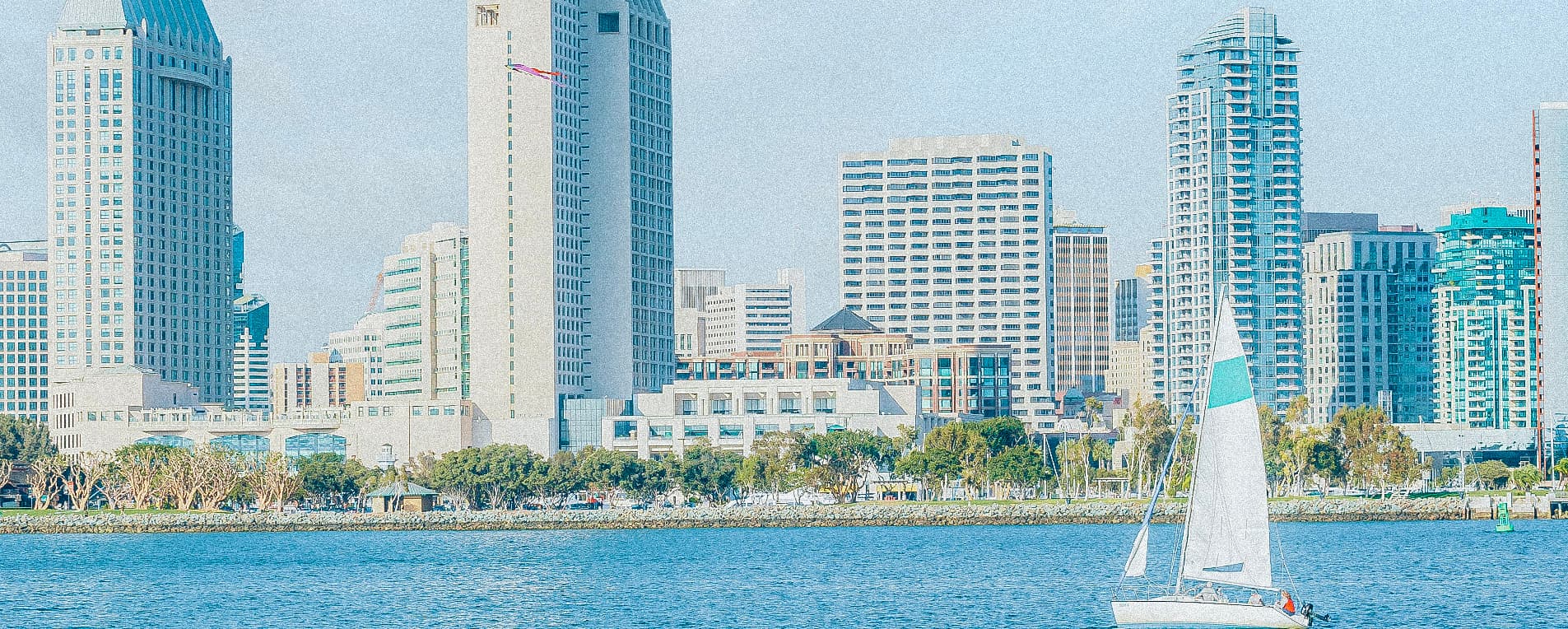
San Diego’s economy continues to benefit from its diverse employment base, led by defense, life sciences, healthcare, technology, and tourism. Employment growth has moderated as businesses remain cautious amid higher operating costs and broader economic uncertainty. Elevated housing costs continue to constrain population growth and labor availability, although the region remains an attractive destination due to its quality of life and highly educated workforce. Retail demand has remained resilient, supported by healthy consumer spending and limited new retail development. Despite ongoing economic uncertainty, San Diego’s affluent demographics and constrained supply continue to support long-term market stability.

Key Findings
- Retail fundamentals showed signs of stabilization during the second quarter as availability declined and leasing activity improved following several quarters of softer demand. Limited new supply and renewed tenant activity suggest the market is beginning to regain momentum.
- New construction remained limited, while ongoing redevelopment continued to reduce retail inventory and support long-term supply constraints.
- Investment activity remained active, with investors continuing to target grocery-anchored and well-located neighborhood retail centers despite elevated borrowing costs.
San Diego Retail Supply & Demand Dynamics
Source: CoStar Group, Inc.
San Diego Demographics
Source: U.S. Census Bureau, Federal Reserve Economic Data
- Unemployment Rate: 4.1%
- Current Population: 3,282,248
- Households: 1,171,278
- Median Household Income: $108,754
Top San Diego Tenants by SF
Source: CoStar Group, Inc.
- Bass Pro Shops
- Whole Foods Market
- AutoZone
- Crunch Fitness
Fastest-Growing Occupations in San Diego
Source: CA Employment Development Department
San Diego Retail Construction
Development activity remained limited during Q2 2026 as high construction costs, financing challenges, and scarce development sites continued to discourage speculative retail projects. Approximately 287,000 square feet remained under construction at quarter end, representing only a small share of the market’s inventory. Developers continue to favor redevelopment over new construction, with aging retail centers increasingly being repositioned for mixed-use and residential uses. Most projects currently underway are substantially preleased, reflecting a cautious approach to new development. With limited new supply expected and redevelopment continuing to reduce existing inventory, market fundamentals are expected to remain well supported over the coming quarters.
SF Construction Starts
Source: CoStar Group, Inc.
SF Under Construction
Source: CoStar Group, Inc.
Sales
The market posted robust investment activity in Q2 2026, with quarterly sales volume totaling approximately $502 million as investors continued targeting high-quality neighborhood and grocery-anchored centers. Over the past 12 months, transaction volume reached roughly $1.6 billion, reflecting steady investment activity despite elevated financing costs. Institutional and private investors remained active, particularly for well-located assets with stable occupancy and durable cash flow. Cap rates have remained relatively stable in the upper-5% range, supported by limited new supply and continued demand for infill retail properties. While higher borrowing costs continue to influence underwriting, redevelopment opportunities and long-term rent growth prospects are helping sustain investor interest across the market.
San Diego Retail Sales Volume
Source: CoStar Group, Inc.
By the Numbers
Q2 2026 | Source: CoStar Group, Inc.
- Sales Volume: $502M
- Price Per SF: $405
- Cap Rate: 5.8%
- Vacancy Rate: 4.5%
- Rent Growth: -0.6%
- Asking Rent Per SF: $36.17
- SF Under Construction: 287K
- SF Delivered: 24.2K
- SF Absorbed: 61.6K