The Revitalization of Urban Retail
Urban retail is entering a period of reinvention. Across major metropolitan markets, spaces that once struggled with vacancy or declining foot traffic are finding new life through creative repositioning and adaptive reuse. Shifts in consumer behavior, the growth of e-commerce, and evolving lifestyle preferences have reshaped how people interact with retail environments, particularly in dense urban cores.
For many properties, these changes initially presented challenges. Traditional retail formats built for an earlier era of shopping have had to compete with shifting demand and changing tenant requirements. Yet those same pressures are now driving a wave of innovation. Owners, developers, and city leaders are increasingly reimagining underperforming retail assets, transforming them into dynamic spaces that better reflect how people live, work, and gather today.
In many cities, this transformation represents urban retail’s “second act”, one defined not by traditional storefronts alone, but by mixed-use formats, experiential tenants, and community-oriented environments.
The State of Urban Retail
Urban retail markets today reflect a complex yet improving landscape. While some legacy retail corridors continue to work through elevated vacancy or outdated layouts, many are stabilizing as landlords adopt more flexible leasing strategies and rethink how space is utilized. Several structural shifts have contributed to this reset. The growth of online shopping has reduced reliance on traditional brick-and-mortar retail for routine purchases. At the same time, urban populations, particularly younger demographics, are demonstrating a renewed preference for physical retail in specific contexts. According to information from RetailDive, nearly three-quarters of Gen Z consumers shop in-store at least once a week, and a majority view in-person shopping as an experience rather than a purely transactional activity.
This shift is especially pronounced in categories such as beauty and luxury, where Gen Z shoppers show a strong preference for in-person purchasing, valuing immediacy, product interaction, and the overall shopping environment. At the same time, urban consumers are increasingly seeking experiences, dining, wellness, and social environments that cannot be replicated digitally. As a result, the role of physical retail is evolving. Rather than serving primarily as a transactional environment, urban retail is increasingly functioning as a place for engagement and community interaction. This shift is prompting landlords and developers to rethink how retail space can better align with modern consumer expectations, emphasizing experience, convenience, and seamless integration with digital behaviors.
Repositioning and Adaptive Reuse Strategies
Two strategies central to urban retail’s evolution have emerged: repositioning and adaptive reuse.
Repositioning typically involves updating an existing retail property to better align with current demand. This may include renovating storefronts, modernizing layouts, curating new tenant mixes, or incorporating amenities that attract experiential retailers and service-oriented tenants.
Adaptive reuse, by contrast, often entails a more fundamental transformation, repurposing retail space into an entirely different use or integrating it into a broader mixed-use environment.
Common strategies include:
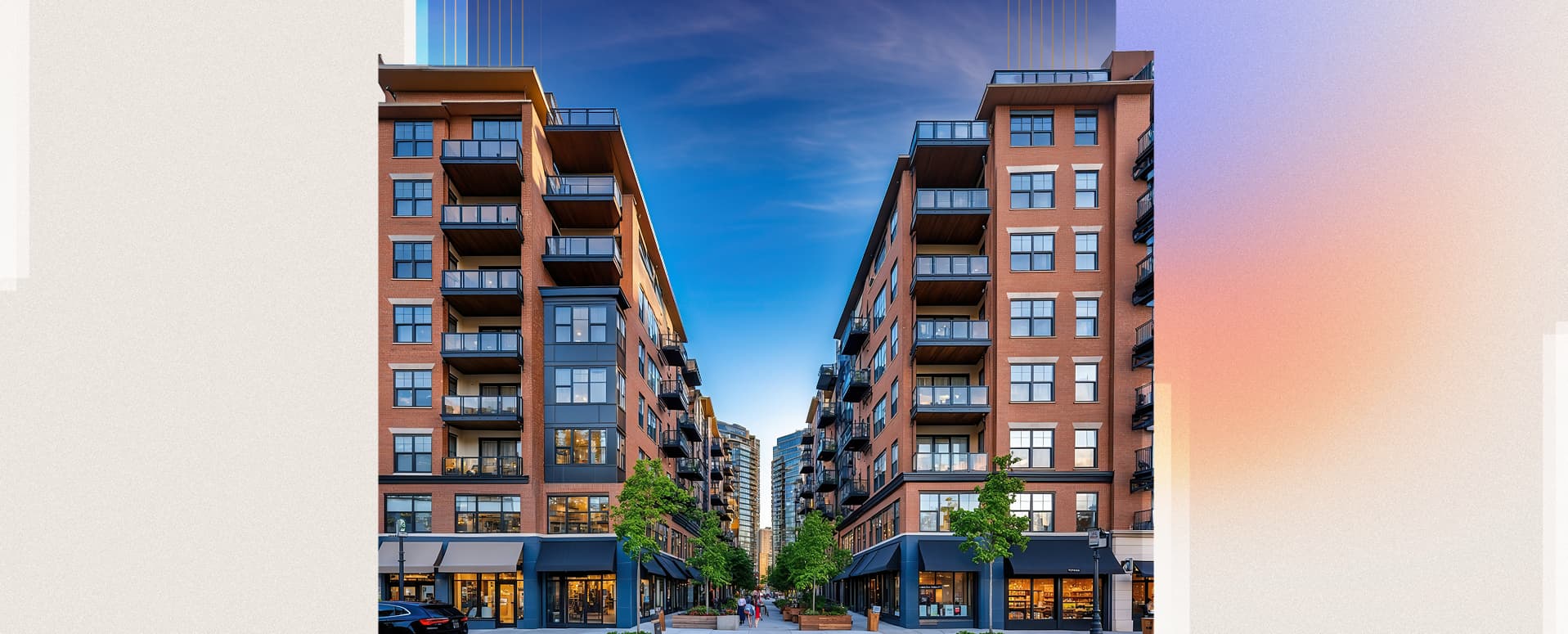
Mixed-use integration: Retail spaces are increasingly being combined with residential, office, hospitality, or entertainment uses, creating built-in customer bases and activating properties throughout the day.
This approach creates consistent foot traffic and extends activity beyond traditional retail hours.
Experiential and service-oriented tenants: Fitness studios, specialty food concepts, medical and wellness services, and entertainment venues are helping redefine how retail environments function.
The result is a shift from transactional retail to destination-based experiences that increase dwell time and repeat visits.
Flexible and short-term concepts: Pop-up shops, temporary activations, and short-term leases allow landlords to test new concepts while keeping spaces active and engaging.
Reduces leasing risk while enabling rapid adaptation to changing consumer preferences.
Together, these approaches allow urban retail properties to evolve alongside consumer demand rather than compete directly with online alternatives.
Market Leaders and Hotspots
Several major urban markets are demonstrating how repositioning strategies can successfully revitalize retail districts. Cities such as New York City, Chicago, Los Angeles, and Miami have seen renewed activity in formerly underutilized retail corridors as developers introduce mixed-use concepts and experiential tenants.
Successful markets often share several characteristics. Population density and strong residential growth provide a reliable customer base, while access to public transit and walkability support consistent foot traffic. Municipal support, including zoning flexibility, redevelopment incentives, and public-private partnerships, can also play an important role in accelerating revitalization efforts.
Developer innovation is equally important. Projects that thoughtfully combine retail with residential, hospitality, or entertainment uses are demonstrating how urban retail can function as part of a broader ecosystem rather than as a standalone asset class.
Key Considerations for Execution
While the opportunity for repositioning is significant, executing these strategies in urban environments requires careful planning and alignment across multiple stakeholders.
Financial feasibility remains a key consideration, particularly in markets where construction costs, entitlement timelines, and land values remain high. Developers must balance the capital required for redevelopment with realistic projections for tenant demand and long-term revenue.
Regulatory processes can also shape project timelines. Zoning approvals, permitting requirements, and historic preservation considerations often require coordination with local governments and community stakeholders.
Equally critical is tenant curation. Successful repositioning efforts typically focus on building a complementary tenant mix that encourages repeat visits and sustained engagement. Retailers, restaurants, wellness providers, and entertainment venues can work together to create an ecosystem that keeps properties active throughout the day and evening.
Increasingly, developers are also measuring success through broader indicators such as foot traffic, community engagement, and placemaking impact, metrics that reflect retail’s evolving role in the urban environment.
Navigating the Upside and the Unknowns
As with any transformation, repositioning urban retail assets requires thoughtful execution. Projects that succeed are typically those that approach redevelopment with a clear understanding of local demand and long-term market dynamics.
Capital investment must be carefully aligned with achievable outcomes, particularly in complex urban projects where construction and entitlement costs can be significant. Similarly, tenant strategies must reflect the needs and preferences of the surrounding community to ensure sustained engagement.
The growing body of successful repositioning projects across major markets is providing valuable lessons for future developments. As developers gain experience with mixed-use strategies, experiential retail, and flexible leasing models, the industry is now better equipped to navigate potential challenges and unlock the full potential of these assets.
Urban Retail’s Second Act
Urban retail is entering a new phase defined by flexibility, experience, and deeper integration with surrounding uses. Traditional retail formats are giving way to more adaptive concepts.
Emerging Retail Models
- Micro-retail enabling local entrepreneurship
- Experiential destinations blending retail, dining, and entertainment
- Mixed-use environments integrating retail with living and working
These models reflect a broader shift toward spaces that prioritize engagement, convenience, and a sense of place.
Technology and data analytics will also play a growing role in helping landlords understand customer behavior, optimize tenant mixes, and activate spaces more effectively.
Urban retail’s transformation is still unfolding, but the direction is increasingly clear. Across many cities, properties once considered underperforming are being reimagined through creative redevelopment and strategic reuse.
Rather than signaling the decline of urban retail, these changes are revealing its ability to adapt. By embracing mixed uses, experiential concepts, and community-oriented design, developers and investors are helping urban retail enter a new chapter, one that reflects how people live, shop, and gather today.
For developers, investors, and city leaders alike, the opportunity lies not simply in filling vacant storefronts, but in rethinking what urban retail can become in its next act.