Matthews Logo

Navigation Menu

Adam Rose

Associate | Corporate Advisory | Encino, CA
Image of Adam Rose
About Adam

Adam Rose is an Associate for Corporate Advisory Services at Matthews™, specializing in sale leaseback transactions. He works closely with private equity firms, public entities, and family/founder-owned businesses in the lower middle market, developing innovative strategies to address their corporate real estate needs across North America. Adam also collaborates with investment bankers and industry experts to guide clients through intricate M&A transactions, providing expert advice on both buy-side and sell-side deals.


Adam’s career spans multiple areas within the real estate industry. Adam has evaluated and valued distinctive assets across the industrial, retail, multifamily, and commercial sectors. His background also includes extensive experience in managing and operating a diverse portfolio of real estate properties, offering him a practical perspective that enhances the service he provides to his clients. Adam’s deep expertise in real estate valuation and asset management makes him a key asset at Matthews™.


B.S., Business Administration – Real Estate

Cal State University, Northridge


Affiliations & Memberships
  • California Bureau of Real Estate
  • License No. 02119797 (CA)
Contact Adam

Adam Rose in the Media

Matthews™ Completes Sale-Leaseback of Specialized Manufacturing Facility in the Mid-Atlantic

Read More
Matthews™ Completed $17.27 Multi-State Sale-Leaseback IOS and Retail Portfolio image

Matthews™ Completed $17.27 Multi-State Sale-Leaseback IOS and Retail Portfolio

Read More

Case Studies

Image of How Matthews™ Reduced Post-Buyout Risk Through Real Estate Diversification Success Story

How Matthews™ Reduced Post-Buyout Risk Through Real Estate Diversification

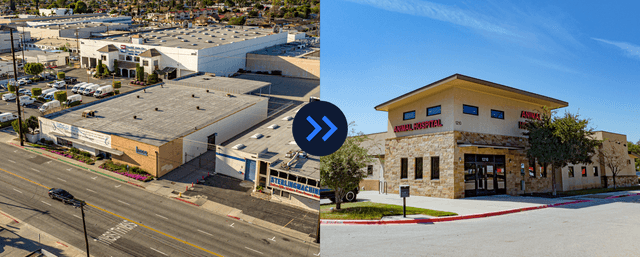
Client Profile A family-owned manufacturing company had successfully sold its operating business to a private equity buyer while retaining ownership of the underlying real estate.   As part of the business transaction, the buyer entered a new 10-year lease, providing the family with a long-term income stream while materially increasing the value of the property.   Like many former founders who retain real estate following a business sale, the family initially viewed the property as an attractive source of passive income. Over time, however, the risk profile began to change.   The Challenge The property was an older, large-format industrial facility located in a cold-weather market, with meaningful future capital requirements associated with the roof, parking lot, and other building components.   The relationship with the tenant had also become increasingly challenging, particularly around responsibility for certain maintenance and capital items.   Additional considerations included: A substantial portion of the family’s net worth remained concentrated in a single property. The tenant was the same business the family had already sold, creating continued economic exposure to their former company. Significant capital expenditures were likely to arise during the remaining lease term. Contractual rent was above prevailing market levels, increasing the property’s current value but also creating additional residual risk if the tenant eventually vacated or the property needed to be released.   The family was therefore faced with an important decision: continue collecting rent and accept the long-term concentration, capital expenditure, and tenant risks, or monetize the property while the lease and tenant credit remained attractive to the market.   The Matthews™ Advisory Role Matthews™ Corporate Advisory division, consisting of Aria Pournazarian, Brody Hess, Thiago Delia, and Adam Rose, worked with the family to evaluate the real estate within the context of their broader post-business-sale objectives.   The agents analyzed the value created by the newly executed lease against the risks associated with continued ownership, including property age, future capital expenditures, tenant concentration, above-market rent, and the amount of family net worth tied to a single legacy asset.   Rather than viewing the property solely as an income-producing investment, Matthews™ helped the family evaluate whether the real estate still represented the optimal risk-adjusted use of their capital.   The Execution Strategy Matthews™ ultimately recommended taking advantage of the value created by the long-term lease and bringing the property to market.   Having originally acquired the real estate for approximately $1.5 million more than a decade earlier, the family had accumulated substantial embedded equity through both long-term appreciation and the lease structure established in connection with the business sale.   Matthews™ executed a targeted sale process designed to monetize that value while the property continued to benefit from a long-term lease and institutional tenant profile.   The Result The engagement resulted in the reinvestment of proceeds into a diversified portfolio of NNN properties. The new portfolio provided more predictable cash flow, reduced management responsibilities, and greater geographic and tenant diversification.

Image of Aria Pournazarian Author

Aria Pournazarian

Vice President

Image of How Matthews™ Turned Real Estate Equity into Generational Wealth Success Story

How Matthews™ Turned Real Estate Equity into Generational Wealth

Client Profile Two brothers, third-generation owners of a family business established more than 50 years ago, were preparing to sell the company their family had built over decades.   The business had operated from the same Los Angeles-area industrial property since its inception, leaving the brothers with not only the proceeds from the business sale, but also a highly appreciated real estate asset representing decades of accumulated family wealth.   Rather than simply continue holding the property because it had been in the family for generations, the brothers wanted to step back and evaluate whether the equity they had built could be put to better use.   Their objective was to maximize the value of the legacy real estate, preserve as much of the accumulated equity as possible, and redeploy it into higher-quality assets capable of producing greater cash flow with substantially less management.   The Challenge The business buyer planned to consolidate operations, meaning the property would become vacant within 60-90 days following the business sale.   The brothers faced an aging industrial asset with deferred maintenance and increasing ownership responsibilities, while much of their accumulated wealth remained concentrated in a single property.   The objective was to maximize the property’s value, preserve as much equity as possible through a 1031 exchange, and transition into a more passive, long-term investment.   The Matthews™ Advisory Role Matthews™ Corporate Advisory acted as the family’s real estate advisor throughout the transition, coordinating the disposition of the legacy property with the sale of the operating company and subsequent reinvestment of the family’s proceeds.   Rather than treating the assignment as a standalone property sale, Matthews™ focused on the brothers’ broader wealth objectives: Created competition among local, regional, and national buyers, ultimately identifying a local family business seeking to transition from tenancy to ownership. Coordinated the real estate closing with the business transition, minimizing vacancy and carrying costs. Achieved a Top 5 historical price per square foot in the submarket. Managed the family’s 1031 exchange and identified replacement opportunities aligned with their investment objectives. Leveraged the national Matthews™ platform to source a 2020-built, mission-critical healthcare property in Texas. Helped transition the family from an aging, management-intensive industrial property into a long-term NNN investment backed by a national healthcare operator with 800+ locations.   The Result The brothers transformed decades of accumulated real estate equity into a higher-quality, more passive investment, while increasing annual cash flow by 24%.

Image of Aria Pournazarian Author

Aria Pournazarian

Vice President

Image of How Matthews™ Partnered with an Investment Banker to Maximize Value and Achieve a Successful Business and Real Estate Exit for a Founder-Owner Success Story

How Matthews™ Partnered with an Investment Banker to Maximize Value and Achieve a Successful Business and Real Estate Exit for a Founder-Owner

Client Profile A founder-owned manufacturing company in the Atlanta metropolitan area had spent more than a year preparing for the sale of its operating business alongside its investment banker. The company operated from a highly specialized facility that had served as its corporate headquarters and primary manufacturing location for decades.   Like many founder-owned businesses, the owner faced two competing objectives: Maximize proceeds from the sale of the operating company. Maximize the real estate value without burdening the business with an unsustainable lease structure.   Achieving both required careful coordination between the M&A process and the future real estate disposition.   The Challenge The lease, negotiated as part of the business sale, would ultimately determine the value of the real estate. Every lease term, from rent and escalations to renewal options and term length, would directly influence investor demand and pricing.   An overly aggressive lease could negatively impact the operating company’s valuation by increasing occupancy costs.   Conversely, a lease designed solely around the business could materially reduce the value of the real estate for the foreseeable future.   The objective was to identify the optimal balance between enterprise value and real estate value, maximizing total transaction proceeds. While businesses in this sector typically trade at 4.0x–6.0x EBITDA, sale leaseback investors often value real estate at approximately 11.75x–14.30x annual rent, creating an opportunity to unlock incremental value through the proper allocation of purchase price between the operating business and the underlying real estate.   The Matthews™ Advisory Role Working alongside the company’s investment banker well before and throughout the business sale process, Matthews™ Corporate Advisory, consisting of Aria Pournazarian, Brody Hess, Thiago Delia, and Adam Rose, served as the dedicated real estate advisor. They helped align the objectives of both the M&A transaction and the eventual real estate disposition.   The agents’ initial recommendation was to delay marketing the real estate until after the business sale, recognizing that the existing tenant was the founder rather than an institutional credit tenant. By allowing the incoming business buyer to execute a new lease at closing, Matthews™ anticipated significantly stronger investor demand and improved pricing, positioning the real estate to achieve greater value than if it had been marketed beforehand.   Throughout the process, the Matthews™ agents analyzed market rent, institutional investor expectations, tenant credit, lease term, escalation structure, renewal options, and overall marketability to develop lease economics that balanced the needs of both the operating business and future real estate investors. Their strategic guidance throughout lease negotiations enabled the investment banker to remain focused on executing the business sale while ensuring the real estate was positioned for a successful disposition.   Although Matthews™ recommended a best-in-class lease structure that aligned with institutional investor preferences, negotiations ultimately resulted in a five-year lease term. Rather than allowing the shorter lease to diminish buyer interest, Matthews™ immediately repositioned the opportunity by emphasizing the facility’s mission-critical role, specialized improvements, and long-term operational importance, ensuring it remained highly attractive to qualified investors despite the shorter initial term.   The Execution Strategy Immediately following the successful closing of the operating company, Matthews™ launched a targeted marketing process for the real estate. The client’s objective was to monetize the property quickly while avoiding the perception of a distressed or forced sale.   Leveraging the Matthews™ national investor platform and longstanding relationships, the opportunity was introduced directly to a curated pool of qualified investors rather than broadly exposing the asset to the open market. The campaign generated significant interest from more than 150 qualified local, regional, and national investors, including both institutional and private buyers. This created meaningful competition, despite the abbreviated five-year lease term.   The Result The coordinated execution of the business sale and real estate disposition allowed both transactions to proceed efficiently while maximizing value and providing certainty of execution for the client. The targeted marketing process generated multiple competitive offers within two weeks, enabling the client to select the buyer best positioned to close on schedule.   The engagement ultimately resulted in: Full asking price achieved. 100+ qualified investors engaged, generating multiple competitive offers from local, regional, and national buyers. Buyer identified within the targeted marketing timeline. Non-refundable earnest money deposited upon contract execution, with 15% of the purchase price becoming non-refundable following the due diligence period. A successful on-schedule closing.

Image of Aria Pournazarian Author

Aria Pournazarian

Vice President

Image of How Matthews™ Corporate Advisory Advised on a Specialized Rural Manufacturing Sale-Leaseback in the Heart of Appalachia Success Story

How Matthews™ Corporate Advisory Advised on a Specialized Rural Manufacturing Sale-Leaseback in the Heart of Appalachia

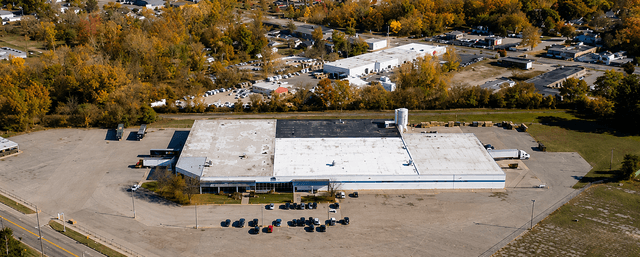
A founder-led, sponsor-backed industrial processing business in the rural Mid-Atlantic held enterprise value trapped inside a ±360,000 SF specialized facility on ±40 acres. Following a recapitalization of the operating company, Matthews™ Corporate Advisory agents Aria Pournazarian, Brody Hess, Thiago Delia, and Adam Rose identified a value-creation opportunity the principals had not yet sized. Structuring a long-term NNN sale-leaseback that generated $14.5M in total proceeds, while reducing annual rent expense by approximately $500K (30%) at a below-conventional cost of capital.   The Strategic Disconnect Following the partnership, the founders sought to evaluate an exit on the retained real estate leased back to the operating company. The operating company held a Tenant Purchase Option (“TPO”) on the underlying real estate but had no operational reason to exercise it. They had bought a business, not a real estate portfolio. Conventional thinking would have left it untouched.   Matthews™ recognized that exercising the TPO and simultaneously recasting the asset for institutional capital through a sale-leaseback would unlock value no other capital event could generate. The founders’ retaining equity in the company meant both sides’ objectives aligned.   Matthews™ engaged both parties early, aligning expectations before structuring the transaction. The cooperative founder-sponsor endeavor would involve a contractual strike and simultaneous restructuring of the existing lease to a long-term stabilized NNN format at a 30% lower rent captured the arbitrage between owner-occupied specialty real estate and cap rate driven stabilized real estate, while flowing rent savings directly to EBITDA and enterprise value.   Real Estate Challenges On traditional real estate metrics, the asset carried the characteristics institutional capital typically avoids: Tertiary market location Highly specialized manufacturing improvements and infrastructure Limited alternative-use demand profile Significant perceived residual real estate risk The operating business, however, showed strong margins, durable cash flow, entrenched operations, and diversified end-market exposure across lumber, biomass, building materials, and related industrial applications, backed by experienced sponsorship.   Execution & Party Outcomes The transaction sought to accomplish several objectives simultaneously: Sponsor: Exercised the TPO at the contractual strike and recast the asset as a sale-leaseback, generating $4.5M in working capital through cap rate arbitrage without compromising operational continuity or facility control. The TPO was converted into an Assignment for Consideration, eliminating short-term capital gains exposure sheltering post-close liquidity. Operating Business: Captured ~$500K in annual rent savings, flowing directly to EBITDA and increasing enterprise value for every shareholder. Long-term leaseback preserved the mission-critical real estate continuity the business depends on. Founder: Realized substantial liquidity on retained real estate while retaining meaningful operating company equity through the recap. Traded real estate rental income for higher-multiple operating company equity uplift, positioning a stronger second bite at the apple upon exit. Ability to redeploy equity into diversified holdings via 1031 Exchange. Overcame otherwise challenging real estate fundamentals and “as-is” lease economics with a “best case” scenario, Institutional Partner: Identified through Matthews™’ rigorous engagement process. Acquired a long-term stabilized lease backed by a sponsor-recapitalized business with durable cash flow, entrenched market position, and diversified end markets. Importantly, investor conviction was driven less by the zip code and more by the durability of the operating company. The transaction reflects a broader trend: sophisticated sale-leaseback investors increasingly underwrite the strength of the business and its cash flow rather than relying on traditional real estate metrics or primary market location dynamics alone.   Broader Market Relevance For many lower middle-market manufacturing operators located in rural markets, substantial enterprise value remains embedded within company-owned real estate. Yet these assets are often underutilized from a capital allocation standpoint, particularly when traditional lenders underwrite them conservatively or ownership views them solely through an operational lens. A properly structured sale-leaseback can unlock that value, generating liquidity for growth initiatives, acquisitions, debt reduction, dividend recaptures and other shareholder objectives while allowing the business to maintain uninterrupted operations.   The same principle extends beyond owner-occupied facilities. Sponsors and strategic acquirers frequently complete transactions that leave meaningful real estate optionality unaddressed, whether through retained properties, Tenant Purchase Options, Rights of First Offer, or other lease-related rights that become secondary considerations following a business acquisition. In many cases, these opportunities represent significant untapped value within the broader capital structure.   Most importantly, this transaction reinforces a broader truth about today’s institutional sale-leaseback market. Investor conviction is driven less by geography and more by the strength, durability, and cash flow profile of the operating company. Sophisticated capital underwrites the business first and the real estate second. When combined with thoughtful lease structuring and strong sponsorship, even highly specialized facilities in tertiary markets can attract competitive institutional interest.   This assignment demonstrates that facilities often perceived as challenging due to location, specialization, or market size can still command premium pricing when supported by strong operating fundamentals and a well-executed process. For operators and sponsors alike, the result can be a meaningful enhancement to liquidity, balance sheet flexibility, and overall enterprise value.   Matthews™ Corporate Advisory advises operators, financial sponsors, and business owners on sale-leaseback execution, real estate monetization, and strategic capital solutions across the industrial sectors. We welcome confidential discussions regarding company-owned or acquirable real estate and its role within broader corporate and investment objectives.

Image of Aria Pournazarian Author

Aria Pournazarian

Vice President