Leading AgentAria Pournazarian
Vice PresidentEncino, CA

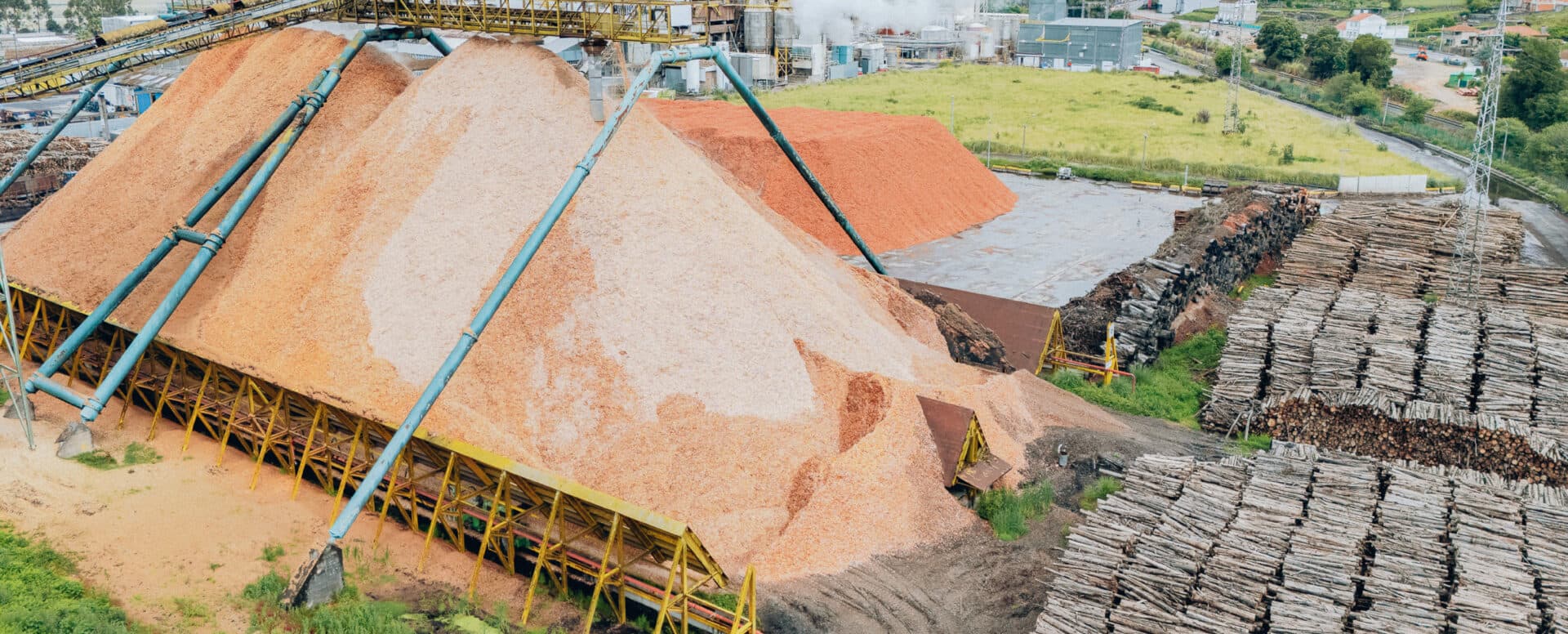
A founder-led, sponsor-backed industrial processing business in the rural Mid-Atlantic held enterprise value trapped inside a ±360,000 SF specialized facility on ±40 acres. Following a recapitalization of the operating company, Matthews™ Corporate Advisory agents Aria Pournazarian, Brody Hess, Thiago Delia, and Adam Rose identified a value-creation opportunity the principals had not yet sized. Structuring a long-term NNN sale-leaseback that generated $14.5M in total proceeds, while reducing annual rent expense by approximately $500K (30%) at a below-conventional cost of capital.
Following the partnership, the founders sought to evaluate an exit on the retained real estate leased back to the operating company. The operating company held a Tenant Purchase Option (“TPO”) on the underlying real estate but had no operational reason to exercise it. They had bought a business, not a real estate portfolio. Conventional thinking would have left it untouched.
Matthews™ recognized that exercising the TPO and simultaneously recasting the asset for institutional capital through a sale-leaseback would unlock value no other capital event could generate. The founders’ retaining equity in the company meant both sides’ objectives aligned.
Matthews™ engaged both parties early, aligning expectations before structuring the transaction. The cooperative founder-sponsor endeavor would involve a contractual strike and simultaneous restructuring of the existing lease to a long-term stabilized NNN format at a 30% lower rent captured the arbitrage between owner-occupied specialty real estate and cap rate driven stabilized real estate, while flowing rent savings directly to EBITDA and enterprise value.
On traditional real estate metrics, the asset carried the characteristics institutional capital typically avoids:
The operating business, however, showed strong margins, durable cash flow, entrenched operations, and diversified end-market exposure across lumber, biomass, building materials, and related industrial applications, backed by experienced sponsorship.
The transaction sought to accomplish several objectives simultaneously:
Importantly, investor conviction was driven less by the zip code and more by the durability of the operating company. The transaction reflects a broader trend: sophisticated sale-leaseback investors increasingly underwrite the strength of the business and its cash flow rather than relying on traditional real estate metrics or primary market location dynamics alone.
For many lower middle-market manufacturing operators located in rural markets, substantial enterprise value remains embedded within company-owned real estate. Yet these assets are often underutilized from a capital allocation standpoint, particularly when traditional lenders underwrite them conservatively or ownership views them solely through an operational lens. A properly structured sale-leaseback can unlock that value, generating liquidity for growth initiatives, acquisitions, debt reduction, dividend recaptures and other shareholder objectives while allowing the business to maintain uninterrupted operations.
The same principle extends beyond owner-occupied facilities. Sponsors and strategic acquirers frequently complete transactions that leave meaningful real estate optionality unaddressed, whether through retained properties, Tenant Purchase Options, Rights of First Offer, or other lease-related rights that become secondary considerations following a business acquisition. In many cases, these opportunities represent significant untapped value within the broader capital structure.
Most importantly, this transaction reinforces a broader truth about today’s institutional sale-leaseback market. Investor conviction is driven less by geography and more by the strength, durability, and cash flow profile of the operating company. Sophisticated capital underwrites the business first and the real estate second. When combined with thoughtful lease structuring and strong sponsorship, even highly specialized facilities in tertiary markets can attract competitive institutional interest.
This assignment demonstrates that facilities often perceived as challenging due to location, specialization, or market size can still command premium pricing when supported by strong operating fundamentals and a well-executed process. For operators and sponsors alike, the result can be a meaningful enhancement to liquidity, balance sheet flexibility, and overall enterprise value.
Matthews™ Corporate Advisory advises operators, financial sponsors, and business owners on sale-leaseback execution, real estate monetization, and strategic capital solutions across the industrial sectors. We welcome confidential discussions regarding company-owned or acquirable real estate and its role within broader corporate and investment objectives.

Thiago Delia
Senior Associate
Brody Hess
Senior Associate

Adam Rose
Associate