AuthorDaniel Gonzalez
First Vice President & Associate DirectorTampa, FL

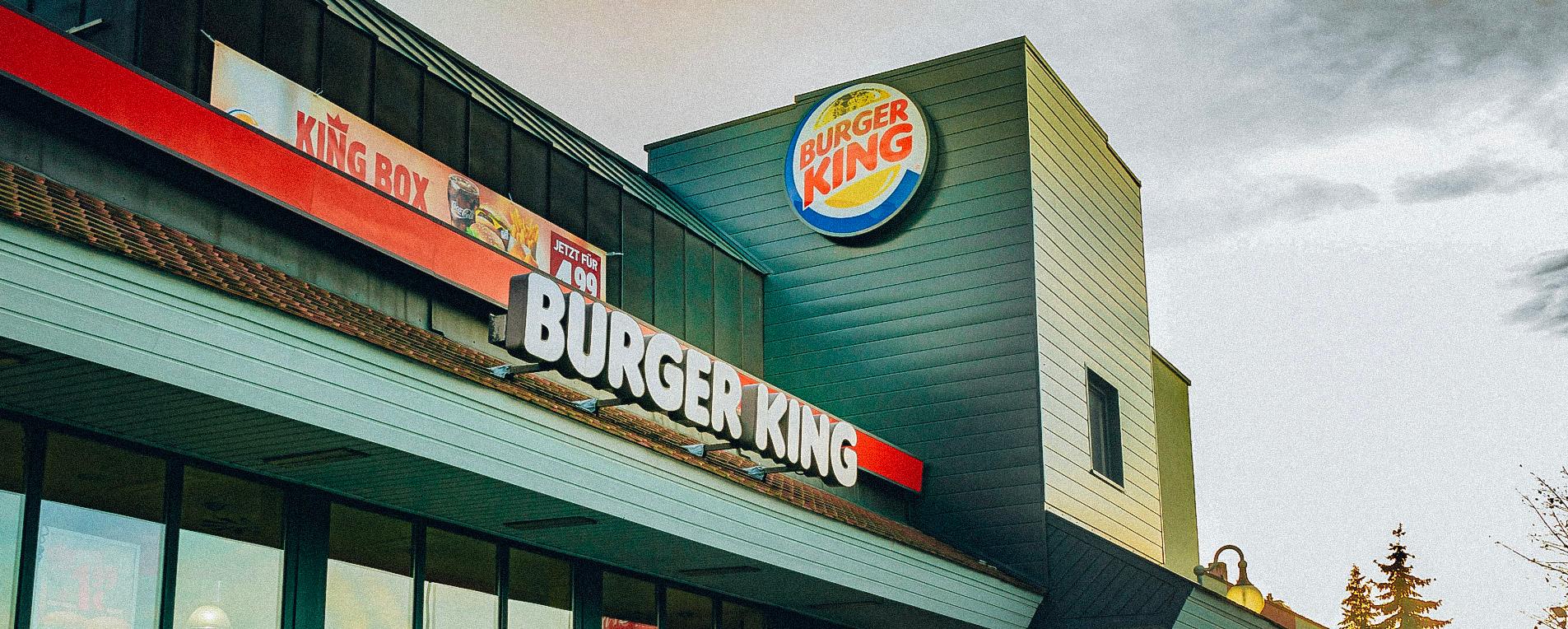
Burger King and Wendy’s are moving in different directions as the two quick-service restaurant chains navigate changing consumer spending habits and growing competition. While Burger King continues to gain momentum through menu improvements and operational investments, Wendy’s is working to reverse declining sales and strengthen its restaurant portfolio.
The difference was evident in third-quarter 2026 results. Burger King reported an 8.4% increase in U.S. comparable sales, while Wendy’s recorded a 5.7% decline in U.S. same-restaurant sales. The contrasting results highlight how restaurant operators are responding differently to a challenging operating environment.
Burger King’s recovery follows several years of investment in restaurant operations, menu quality, and customer experience. Parent company Restaurant Brands International (RBI) has focused on improving franchisee profitability through its multiyear Reclaim the Flame initiative, which includes restaurant remodels, technology upgrades, and operational improvements.
The company has also emphasized its core menu, including improvements to the Whopper and chicken offerings, alongside marketing campaigns designed to attract customers and strengthen repeat visits.
RBI reported a 6.2% increase in global systemwide sales during the third quarter. Despite stronger performance, Burger King continues to invest in its existing restaurant network rather than relying solely on new locations for growth.
Wendy’s continues to face declining U.S. sales, increased competition, and pressure on restaurant profitability. The company recently introduced its Dave’s Way turnaround strategy, focused on improving food quality, marketing, customer traffic, and operational performance.
The chain has also attracted interest from activist investor Nelson Peltz and a group of investment firms, which submitted a $1.4 billion acquisition proposal in October. Wendy’s rejected the offer in November, maintaining that it undervalued the company and its turnaround potential.
Wendy’s is also reassessing its restaurant portfolio, including underperforming locations and opportunities to improve franchise operations. These efforts reflect a broader focus on strengthening existing restaurants before pursuing additional growth.
The contrasting performance of Burger King and Wendy’s reinforces the importance of evaluating restaurant real estate beyond brand recognition.
For property owners and net lease investors, tenant sales performance, franchisee financial health, and reinvestment plans can influence a location’s long-term stability. Burger King’s ongoing remodel program may support the competitiveness of existing locations, while Wendy’s restructuring efforts could lead to additional restaurant closures, ownership changes, or property repositioning.
As restaurant chains continue to adjust their operations, individual site performance, lease structure, and underlying real estate fundamentals will remain important factors in evaluating quick-service restaurant investments.