AuthorDaniel Gonzalez
First Vice President & Associate DirectorTampa, FL

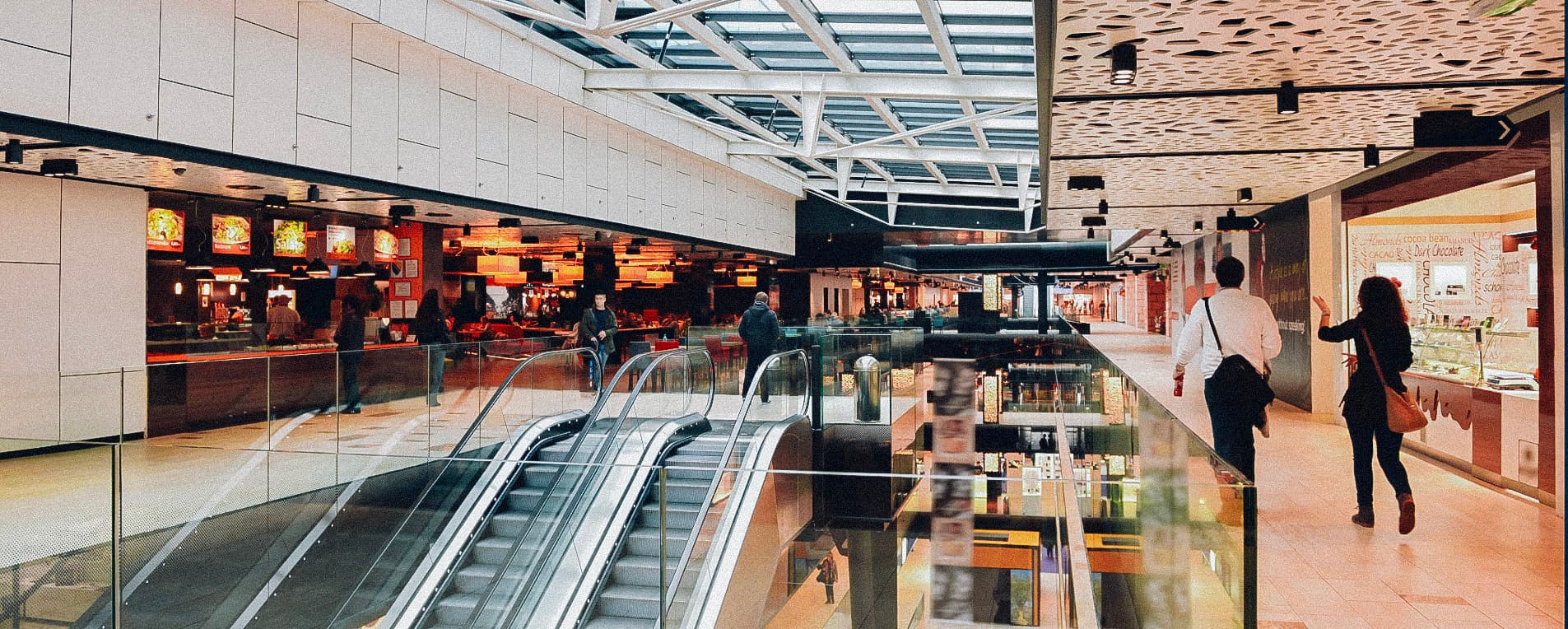
For years, the conversation around shopping malls centered on store closures, declining foot traffic, and the rapid growth of e-commerce. While many underperforming malls continue to face those challenges, a different story is emerging at the top end of the market. Well-positioned retail centers are attracting shoppers by offering something online retail cannot: an experience.
One of the biggest drivers behind that shift is Gen Z.
Although this generation grew up with online shopping, recent consumer research suggests many younger shoppers still prefer visiting stores for a significant share of their purchases. They are also spending more time in malls than many expected, using them as places to shop, dine, socialize, and discover new brands. Rather than replacing physical retail, digital commerce has changed the role that brick-and-mortar stores play.
For retail real estate owners, the implications extend beyond a single generation.
The strongest-performing malls have spent years repositioning their properties around experiential retail. Restaurants, entertainment concepts, fitness operators, beauty retailers, and interactive brand experiences have become increasingly important components of the tenant mix. These uses encourage longer visits, create repeat traffic, and generate demand that traditional online retailers cannot easily replicate.
At the same time, many digitally native retailers are expanding into physical stores after building their businesses online. Opening brick-and-mortar locations allows brands to strengthen customer relationships, showcase products in person, and establish a presence in high-traffic retail environments. As more online-first companies adopt an omnichannel strategy, quality retail space remains an important part of their growth plans.
This evolution is also changing how investors evaluate retail assets.
Rather than focusing solely on occupancy or department store anchors, investors are placing greater emphasis on tenant diversification, experiential offerings, and a property’s ability to generate consistent foot traffic throughout the day. Mixed-use environments that combine shopping, dining, entertainment, wellness, and services are often better positioned to maintain consumer engagement and adapt as shopping habits continue to evolve.
That does not mean every enclosed mall is experiencing a resurgence. Performance continues to vary widely based on location, demographics, ownership, and capital investment. Class A malls in growing markets have generally outperformed lower-tier properties, many of which continue to face redevelopment or repositioning opportunities.
The renewed interest from Gen Z is best viewed as confirmation of a broader trend rather than the cause of it. Consumers continue to value convenience, but they also seek places that offer experiences, social interaction, and opportunities to engage with brands in person. Retail properties that successfully combine those elements are demonstrating that physical retail remains an important part of the consumer landscape.
For retail real estate owners and investors, the takeaway is clear. The future of successful malls is less about competing with e-commerce and more about offering destinations that encourage people to spend time, not just make purchases.