
Expansion of Behavioral Health Facilities
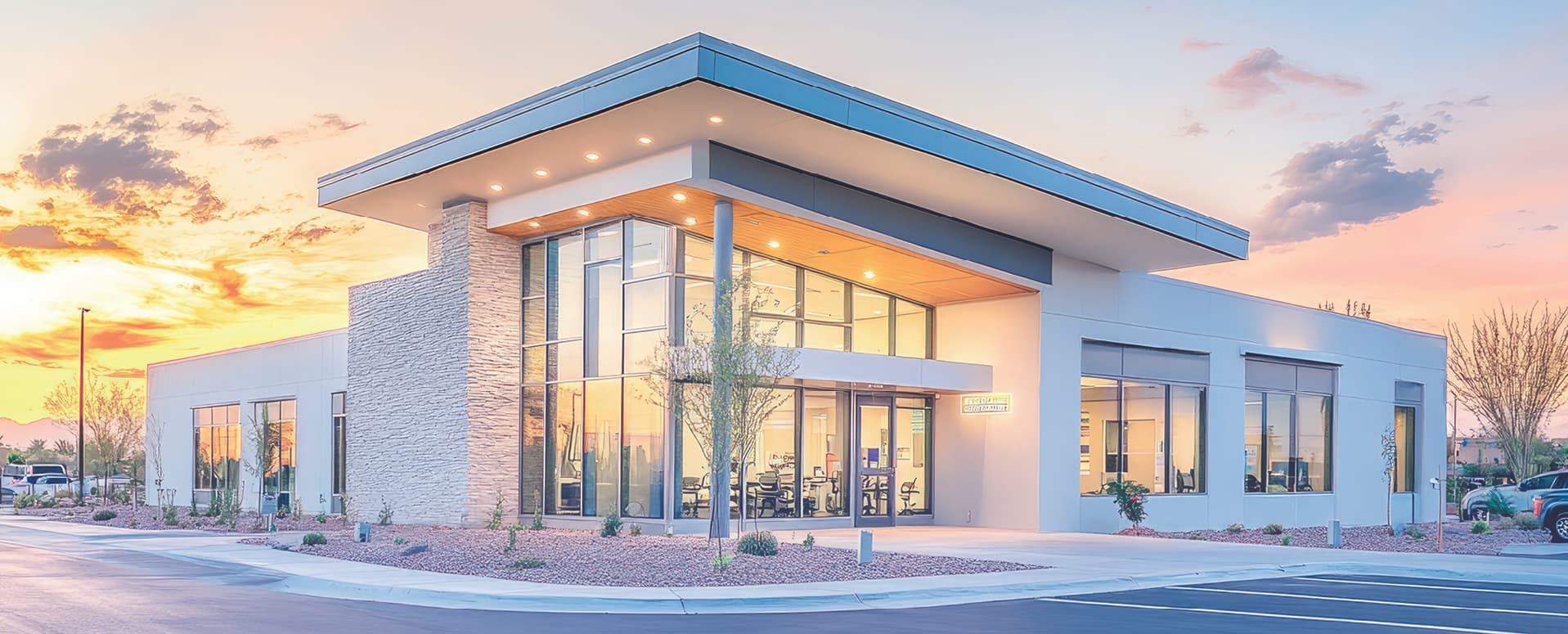
Expansion of Behavioral Health Facilities: A Must-Watch Opportunity for CRE Investors
Behavioral health is rapidly emerging as a cornerstone of the healthcare real estate landscape, reflecting a profound shift in how society views and addresses mental health and addiction. As awareness grows and stigma fades, demand for accessible, high-quality behavioral health services is reaching unprecedented levels. This surge is not only transforming the way care is delivered but also fueling a wave of development, investment, and innovation in the facilities that support these essential services. From adaptive reuse of existing buildings to trauma-informed design and public-private partnerships, the expansion of behavioral health facilities is reshaping communities and redefining what it means to care for mental wellbeing in the modern era.
Increased Capital Investment in Behavioral Health CRE
The surge in demand for behavioral health services has caught the attention of investors and health systems, leading to a significant increase in capital flowing into behavioral health real estate. Once considered a niche or higher-risk sector, behavioral health facilities are now recognized as resilient, essential assets with long-term growth potential. As a result, these properties are being actively added to healthcare real estate investment portfolios, with both private equity and institutional investors seeking opportunities in this expanding market.
Major providers such as Acadia Healthcare and Universal Health Services (UHS) are at the forefront of this trend, launching new projects and expanding existing campuses to accommodate rising patient volumes. For example, UHS recently broke ground on a 144-bed behavioral hospital in Florida, a project driven by the region’s increasing need for specialized mental health and addiction treatment services. This influx of capital is not only enabling the construction of new facilities but also supporting innovation in care delivery and helping to close critical gaps in access across the country.
Substance Use vs Development and Neurodevelopment Disorder Facilities
Behavioral health encompasses a broad range of conditions. However, two of the largest and fastest-growing segments in the space are substance use disorder (SUD) treatment centers and facilities specializing in developmental and neurodevelopmental disorders, particularly Autism Spectrum Disorder (ASD). While both fall under the behavioral health umbrella, they serve vastly different patient populations and require distinct clinical approaches, facility designs, and funding mechanisms. SUD centers primarily focus on detoxification, rehabilitation, and long-term recovery services, often through both inpatient and outpatient models. In contrast, ASD facilities are designed to support long-term developmental progress through therapy, education, and life-skills programming, which frequently require highly specialized staff and individualized treatment plans.
Together, these two segments account for the largest share of behavioral health growth. The U.S. behavioral health market exceeded $99 billion in 2023, with SUD services accounting for approximately $42 billion and ASD-related services representing nearly $30 billion. Over the past decade, ASD diagnoses have increased dramatically, with 1 in 36 children now identified on the spectrum according to the CDC, fueling a parallel rise in demand for care facilities. Meanwhile, the opioid crisis and heightened awareness around addiction have pushed SUD treatment to the forefront of national policy and healthcare investment. These dynamics have led to sustained double-digit annual growth in both categories, presenting CRE investors with a robust pipeline of expansion opportunities that serve essential, long-term community needs.
Integration of Behavioral Health into Primary Care Settings
Integrating behavioral health into primary care has emerged as a transformative approach to addressing the longstanding divide between mental and physical health services. Up to 75% of primary care visits involve behavioral health components— ranging from chronic disease management to mental health and substance use issues—yet many patients still face barriers to receiving timely behavioral health support. Embedding mental health professionals directly within primary care teams, as seen in models like the Primary Care Behavioral Health Model (PCBH) and the Collaborative Care Model (CoCM), enables early identification, prevention, and targeted treatment for behavioral health conditions across all age groups. These team-based approaches foster seamless care coordination, reduce stigma, and improve patient outcomes by making mental health services more accessible and routine parts of healthcare.
The impact of integration is significant: studies show improved health outcomes, reduced total cost of care, enhanced patient satisfaction, and better workforce productivity. For example, the number of Medicare Advantage enrollees receiving collaborative behavioral health care increased eightfold between 2018 and 2022, a growth fueled by supportive Medicare billing codes and the recognition that integrated care is both effective and cost-efficient. Health systems like Intermountain Health are leading the way by rolling out integrated behavioral health programs across their clinics, increasing early intervention and access for patients. Despite challenges such as workforce shortages and complex reimbursement processes, the momentum behind integration continues to build, positioning primary care settings as critical frontlines in the delivery of holistic, patient-centered behavioral health care.
Adaptive Reuse of Existing Buildings
To quickly and affordably expand behavioral health services, many providers are repurposing existing structures such as former nursing homes, schools, and office buildings into treatment centers. This adaptive reuse approach reduces development time and costs while revitalizing underutilized properties. For example, Centerstone transformed a former assisted living facility in Indiana into a residential treatment center for adolescents, demonstrating how existing spaces can be adapted to meet specialized care needs.
Adaptive reuse is especially valuable in regions where demand outpaces available infrastructure, allowing providers to respond more rapidly to community needs without the delays of new construction. By leveraging these existing buildings, behavioral health operators can efficiently increase access to care and help close critical gaps in mental health services across the country.
Designed for Trauma-Informed Care
Trauma-informed design is reshaping behavioral health facilities by creating environments that actively promote safety, healing, and dignity for patients who have experienced trauma. Designers are integrating principles that minimize environmental triggers and support emotional wellbeing. The goal is to foster spaces that not only avoid further traumatization but also encourage trust, privacy, and a sense of control for individuals receiving care.
Key elements of trauma-informed design include maximizing natural light, providing clear sightlines, and incorporating secure yet welcoming outdoor spaces. Sensory-sensitive materials, such as calming colors and non-institutional textures, are used to create a soothing atmosphere, while thoughtful layouts reduce overstimulation and support de-escalation. Facilities like the MetroHealth Behavioral Health Hospital in Ohio exemplify these strategies, balancing security with patient comfort to create a therapeutic environment. By prioritizing these design principles, behavioral health facilities are better equipped to support recovery and resilience, making care more accessible and effective for those most in need.
Public-Private Partnerships and Government Funding
Public-private partnerships and robust government funding are becoming essential drivers in the expansion of behavioral health facilities across the United States. Federal and state agencies are increasingly stepping up to support behavioral health through targeted grants, collaborative projects, and innovative funding mechanisms such as Medicaid waivers. These efforts help bridge critical gaps in care, especially in regions where private investment alone may not be sufficient to meet community needs.
A leading example of this approach is the Permian Basin Behavioral Health Center in Texas, a $232 million public-private initiative designed to address the region’s growing behavioral health population. This project leverages a combination of state funding, local government support, philanthropic contributions, and private sector investment to create a comprehensive facility offering inpatient, outpatient, and crisis stabilization services. The Permian Basin project demonstrates how collaborative funding models can accelerate the delivery of essential mental health services, serving as a blueprint for similar efforts nationwide. As these partnerships continue to evolve, they are poised to play a pivotal role in expanding access and improving outcomes for individuals and families affected by mental health and addiction challenges.
Cap Rate Discrepancies and Investment Risk Profiles
From a commercial real estate investment standpoint, behavioral health facilities typically trade at higher capitalization (cap) rates compared to traditional medical office buildings (MOBs) or acute care facilities. While standard MOBs— often anchored by surgical centers or specialty clinics—may trade in the current market 6.25% to 7.5% cap rate range due to their stable tenancy, insurance reimbursement, and clinical infrastructure, behavioral health facilities often trade between 7.5% and 9.25%. This difference is largely due to perceived business risk and less specialized tenant improvements. Unlike traditional MOB tenants, many behavioral health operators have shorter operating histories, leading to higher risk-adjusted returns. Additionally, behavioral health tenants typically require lighter, more flexible buildouts, which means they are often less financially invested in the property and can more easily relocate if needed, resulting in greater re-tenanting risk compared to traditional medical tenants.
This cap rate spread presents a compelling opportunity for investors seeking yield without venturing into fringe asset classes. Behavioral health facilities benefit from strong demographic and policy tailwinds, long lease terms, and growing demand, all while offering higher returns than traditional healthcare real estate and significantly better yields than most single-tenant net lease retail investments. Investors who understand the underwriting nuances of behavioral health—such as payer mix, licensure, and operational history—can secure high-performing assets with upside potential, especially in secondary and tertiary markets where cap rate premiums remain pronounced.
Conclusion
The expansion of behavioral health facilities presents a unique and timely opportunity for commercial real estate investors. As societal attitudes shift, public and private funding intensifies, and the clinical models evolve, behavioral health real estate is emerging as a durable and essential asset class. Unlike traditional medical properties, behavioral health facilities allow investors to achieve higher yields—often 75 to 200 basis points above comparable medical office trades—while serving critical community needs. Compared to net lease retail, which can trade at sub-6% cap rates with limited long-term demand visibility, behavioral health assets offer superior income potential anchored by macroeconomic and demographic trends.
For investors willing to navigate the complexities of tenant credit and licensure requirements, the payoff is significant: stable, long-term leases, limited capital expenditure due to flexible tenant buildouts, and access to a market with consistent doubledigit growth. As the behavioral health landscape continues to mature, savvy investors have the chance to position themselves early in a sector that combines impact with income—delivering meaningful returns while advancing access to mental health and addiction care across the country.