When KFC Goes Dark: Why Former Fried Chicken Sites Are Becoming Some of the Most Competitive Real Estate in Retail
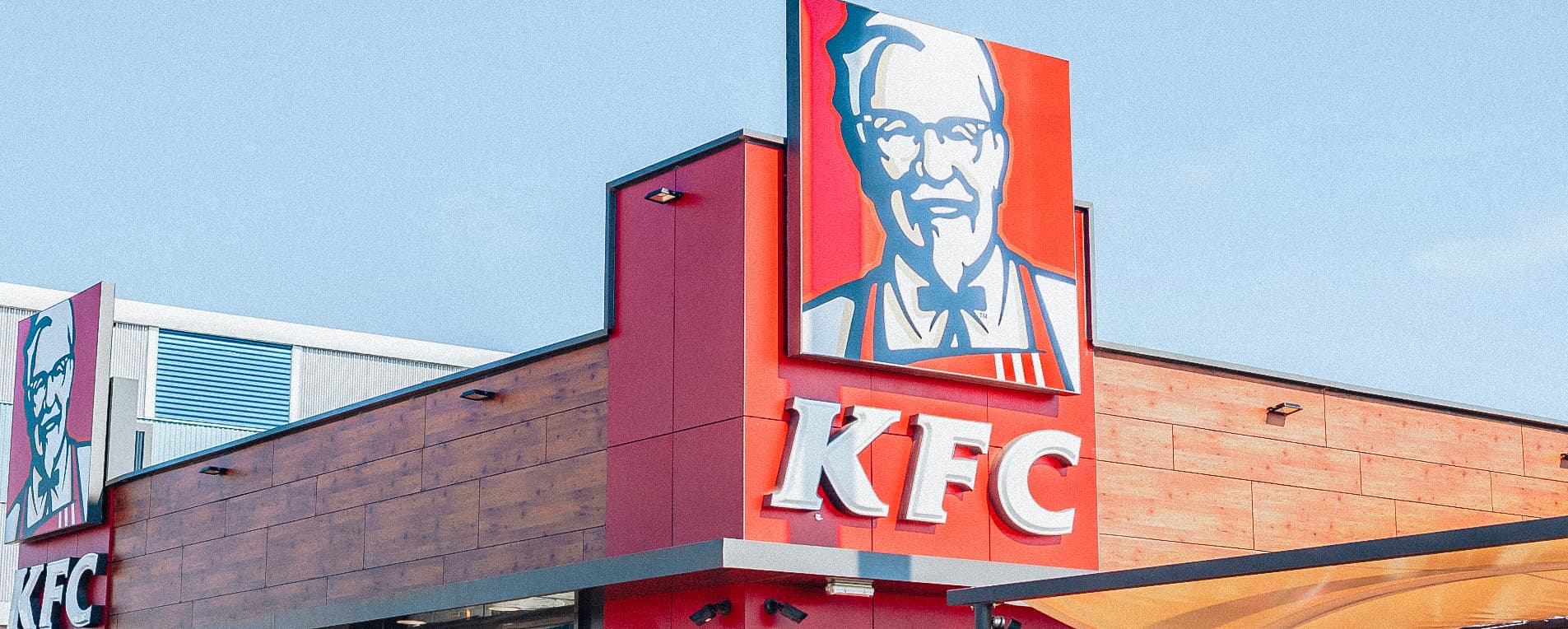
The quick-service restaurant industry is in the middle of a major transformation. Consumer behavior has shifted, restaurant economics have tightened, and operators across the country are reevaluating what their ideal footprint should look like. In that environment, one trend is becoming increasingly noticeable, KFC locations going dark.
Over the past several years, numerous KFC operators have reduced store counts, consolidated trade areas, or quietly marketed locations for sublease. Some closures have been publicly reported, while others have surfaced more gradually through brokerage channels and landlord conversations. Although the immediate narrative often centers around restaurant distress, the more important story may actually be the underlying real estate.
In many cases, these former KFC sites are becoming highly desirable assets for the next generation of expanding restaurant and retail concepts.
The Real Estate Is Often Stronger Than the Restaurant Performance
One of the biggest misconceptions in retail real estate is assuming that if a restaurant closes, the underlying site must be weak. Increasingly, that is not the case.
A restaurant brand can struggle for a variety of reasons including margin pressure, labor costs, franchisee-level financial issues, shifting consumer habits, or outdated operating models. But those operational challenges do not necessarily diminish the quality of the real estate itself.
These sites are often located on premier retail corners with strong visibility, established traffic patterns, excellent ingress and egress, and existing drive-thru infrastructure. Many of these locations would be difficult and expensive to replicate today.
Recent closures of approximately 25 KFC locations across the Midwest highlighted broader franchisee rationalization occurring within portions of the QSR industry. But while the operational headlines may appear negative, many of the underlying real estate fundamentals remain highly attractive.
Those operational pressures are creating opportunities for landlords, developers, and expanding tenants looking to secure quality drive-thru real estate in established retail corridors.
Why These Sites Align With Modern Expansion Strategies
Restaurant expansion strategies today look dramatically different than they did a decade ago, with operators increasingly prioritizing efficiency, throughput, convenience, and off-premise consumption over large dine-in footprints.
That shift has created enormous demand for smaller-format drive-thru sites.
According to industry traffic data, nearly 80% of restaurant traffic now comes through off-premise channels including carry-out, drive-thru, and delivery. Within the QSR category specifically, that number is even higher. As a result, operators are increasingly pursuing smaller, more efficient restaurant footprints that maximize throughput while minimizing occupancy costs.
Many former KFC buildings fit directly into that strategy. The sites are often smaller and more efficient than legacy casual dining boxes, yet still large enough to support modern kitchen operations and drive-thru functionality.
For tenants looking to scale quickly, second-generation restaurant space can offer a major advantage over ground-up development.
Ground-up drive-thru development has become increasingly difficult because of rising construction costs, entitlement delays, municipal restrictions, labor shortages, and higher interest rates. In some municipalities, obtaining approvals for a new drive-thru can take years, if approvals are granted at all.
Existing zoning, drive-thru entitlements, curb cuts, stacking capacity, and utility infrastructure have therefore become increasingly valuable as municipalities restrict new development.
For many operators, second-generation drive-thru space has become one of the most practical paths to rapid market entry.
As a result, former KFC sites are increasingly attracting interest from expanding chicken brands, coffee concepts, beverage operators, Mexican QSR users, fast-casual chains, and other growth-oriented restaurant groups focused on convenience and off-premise dining.
The Drive-Thru Premium Has Not Gone Away
If anything, the pandemic reinforced the long-term importance of drive-thru real estate.
Consumer behavior has permanently shifted toward convenience, mobile ordering, and off-premise dining, making existing drive-thru sites one of the most competitive categories in retail real estate.
The challenge is that there are simply not enough quality drive-thru opportunities available in many markets.
Even when the building itself feels dated, the underlying site fundamentals including existing zoning, traffic flow, utility infrastructure, and drive-thru entitlements often remain highly attractive.
This dynamic is becoming increasingly important as more restaurant concepts pursue smaller prototype formats. Industry analysts have noted growing demand for sub-2,500-square-foot QSR buildings as operators focus on efficiency, speed-to-market, and lower occupancy costs.
Why Some Former KFC Sites May Actually Increase in Value
Some former KFC locations may actually become more valuable after the tenant leaves, a reflection of growing investor demand for modern drive-thru real estate.
Net-lease value is driven by factors like tenant credit, lease terms, rental rates, and long-term growth potential. If a landlord replaces an underperforming tenant with a stronger operator paying higher market rent on a longer lease, the property’s value can increase significantly.
Many expanding restaurant brands are willing to pay a premium for second-generation drive-thru sites because they already offer key advantages: established drive-thru infrastructure, prime retail positioning, efficient layouts, and faster timelines compared to ground-up development.
In today’s environment of high construction costs, tighter lending, and longer entitlement processes, these existing drive-thru properties are increasingly scarce, especially in strong suburban corridors.
As a result, landlords are often able to secure higher rents, stronger guarantees, and more favorable lease structures, ultimately increasing the underlying value of the real estate.
Quiet Portfolio Rationalization Is Happening Across the Industry
While some closures make headlines, much of the restaurant industry’s portfolio rationalization is happening quietly.
Operators across multiple restaurant categories are evaluating underperforming locations, consolidating trade areas, reducing operational complexity, and selectively marketing locations for sublease or disposition. KFC is not unique in this regard, but the brand’s real estate footprint is particularly notable because many locations occupy highly functional retail corners that remain valuable regardless of brand performance.
The restaurant operator may struggle, but the dirt, corner, traffic patterns, and drive-thru infrastructure can still be exceptional.