Faith Meets Housing: How Religious Institutions Are Unlocking the Next Wave of Affordable Development
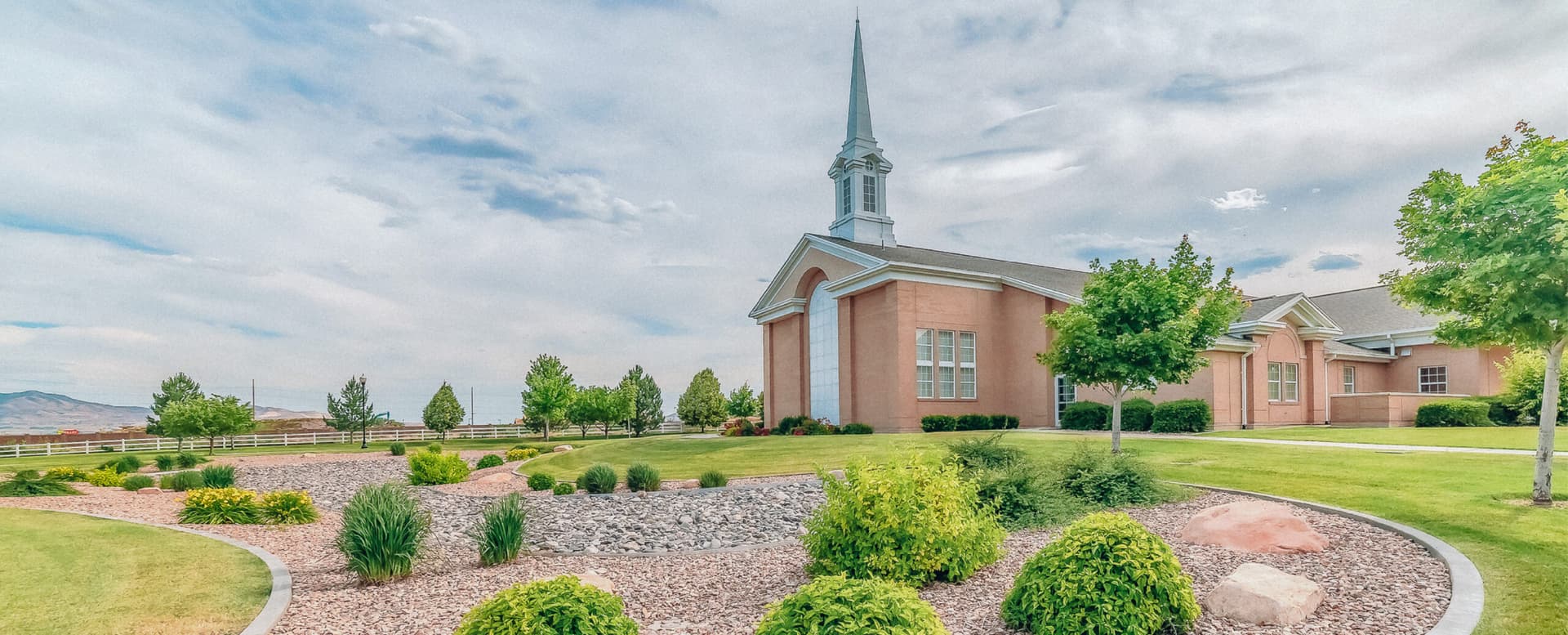
Across the United States, churches, synagogues, mosques, and other faith-based organizations (FBOs) own some of the most underused real estate in the country: well-situated land in established communities. Much of this property, such as surface parking lots, surplus land, or aging facilities, was acquired decades ago and no longer meets current congregational or neighborhood needs. Meanwhile, cities face a severe shortage of affordable housing, while developers and investors deal with rising construction costs, land shortages, and lengthy approval processes.
What was once seen as a niche or mission-driven idea is now becoming a credible, scalable way to develop housing. Faith-based land is increasingly being used for affordable and mixed-income housing, blending social impact with solid real estate practices. Policy changes, especially in California, have sped up this trend, making religious institutions key partners in solving the housing crisis.
An Untapped and Strategically Located Asset
Religious institutions collectively own tens of thousands of acres of land across the country. Many of these sites are near transit, jobs, schools, and services, exactly the features that sustain strong demand for infill multifamily housing. While nearby neighborhoods have become denser over time, the institutional parcels themselves often remain underused, creating rare opportunities in urban markets where supply is limited.
As housing shortages grow more severe, policymakers have started to recognize the special role these properties can play. In California, Senate Bill 4 (SB 4), often called the “Yes In God’s Backyard” law, permits certain affordable housing projects on land owned by religious groups and nonprofit colleges to move forward through a streamlined approval process if specific criteria are met. In Los Angeles, Executive Directive 1 (ED 1) further speeds up eligible 100% affordable housing projects by requiring accelerated review.
Together, these frameworks minimize the need for discretionary approvals and related delays, giving developers and capital partners more certainty about entitlements and timelines. In a market where unpredictability can threaten otherwise feasible projects, this policy clarity acts like an economic incentive.
From Mission Alignment to Market Viability
For faith-based organizations, housing development often aligns directly with their mission. Many congregations see affordable housing as an extension of their commitment to serve seniors, working families, and residents vulnerable to displacement. At the same time, development can generate long-term financial stability through recurring income, helping sustain worship, social services, and community programs.
For developers and investors, the appeal is mostly structural rather than ideological. Faith-based sites can offer:
- Access to well-placed infill land at a price suitable for affordable or mixed-income financing.
- Lowered entitlement risk via ministerial or expedited approval pathways.
- Potential community goodwill stemming from the institution’s role as a long-standing neighborhood anchor.
When properly organized, these partnerships can significantly enhance project feasibility while maintaining institutional ownership and independence.
How the Deals Are Structured
Although the land source may be unconventional, transaction structures are generally well-known within the multifamily industry. The most common method is a long-term ground lease, which allows the religious institution to keep ownership of the land while leasing it to a development entity. The developer funds, builds, and manages the project, while the institution receives ground rent, often with scheduled increases and, in some cases, participation features.
In other cases, institutions might contribute land as equity through a joint venture, especially when supported by experienced advisors and clear governance structures. Financing usually depends on established affordable housing tools, including Low-Income Housing Tax Credit (LIHTC) equity, local soft funding, and mission-aligned capital like community development financial institutions (CDFIs) and impact-focused investors.
What differentiates these transactions is less the capital stack itself and more the sourcing channel and partnership dynamics. Institutions that have held land for decades often prioritize long-term stewardship and impact over maximizing near-term sale proceeds, creating opportunities for sustainable development outcomes.
Policy Momentum and Capital Response
California’s leadership has generated interest beyond its borders. States like New York, Washington, Oregon, and Maryland are exploring or implementing similar laws that offer zoning relief, technical support, or funding options for faith-based housing projects. At the federal level, recent administrations have also shown support for using nontraditional land sources to increase the housing supply.
Capital is starting to follow this policy momentum. Mission-aligned funds, impact investors, and CDFIs are increasingly focusing on faith-based projects as stable, values-driven investments that support ESG and community reinvestment goals. For private developers, partnering with an FBO can boost competitiveness for tax credits and public subsidies while enhancing public perception.
Constraints and Execution Risks
Despite the promise, faith-based development remains complex. Many organizations lack in-house real estate expertise and might need education and technical support to evaluate proposals and manage risks. Governance processes can involve several approval steps, including boards or congregations, which may extend decision timelines.
Operational coexistence is another key factor, as worship and community activities often continue on-site during and after construction, requiring careful coordination of access, parking, and phasing. Common affordable housing challenges, such as subsidy competition, construction cost fluctuations, and interest-rate sensitivities, also persist. Policy support reduces friction but does not replace disciplined underwriting or realistic scheduling.
From One-Off Projects to a Repeatable Channel
What is changing is scale and sophistication. More institutions are proactively assessing their property portfolios, more jurisdictions are formalizing approval pathways, and more developers are building repeatable expertise in this area. While faith-based land is unlikely to replace traditional acquisitions, it serves as a growing and credible complement in markets characterized by land scarcity and execution risk.
For developers and investors interested in affordable and mixed-income housing, faith-based partnerships present a unique combination of location quality, policy support, and scalable models. For religious institutions, they offer a way to further mission-driven objectives while ensuring long-term financial stability.
As the housing crisis persists across cities nationwide, faith-based organizations are emerging as unexpected yet influential agents for change, not just through charity, but via strategic, well-planned real estate investments that bolster both communities and investment portfolios.