
Key Fundamentals for Building out Medical Office
Medical Office Cost Essentials
Before starting the construction of a new medical facility or converting an existing property for medical use, it is essential to understand the financial requirements and associated costs. Key expenses typically include construction and build-out costs, medical and office equipment, furnishings, IT infrastructure and technology systems, permitting and regulatory compliance fees, as well as architectural, engineering, and other professional service fees.
When all these components are taken into account, the national average soft cost to develop a medical office space typically ranges from $150 to $300 per square foot. This figure varies based on factors like location, design complexity, and the extent of specialized medical infrastructure needed. It’s important to note that this estimate covers only the interior build-out and conversion required to make the space suitable for medical use, and does not include the hard costs associated with constructing the building itself.
Actual expenses will vary based on the specific needs of the facility, but equipment and technology are typically the most significant costs. Equipment prices usually start around $1,000 and can exceed $20,000, with x-ray machines being among the most expensive, starting at $20,000.
Technology costs also generally begin above $1,000 and are essential for setting up key systems, such as internet networks, telemedicine platforms—which are increasingly common—and electronic medical record (EMR) systems. EMR implementation is often one of the highest technology expenses, ranging from $5,000 to $20,000, due to its role in creating and maintaining the patient database.
Medical Tenants in Retail Centers
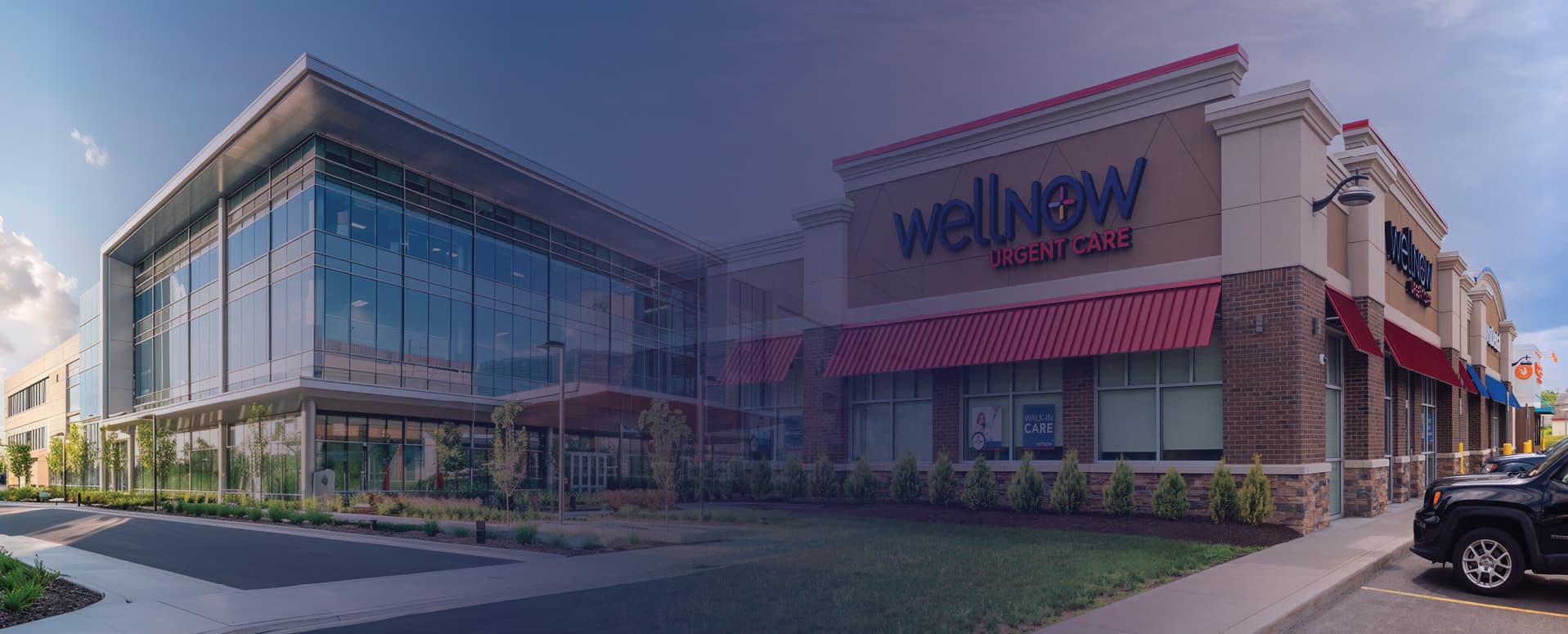
Over the past decade, there was a growing shift toward accessible care centers, driven by patients prioritizing convenience. As a result, more medical operators are moving into traditionally retail-focused centers. These facilities offer patients the convenience of receiving medical services in the same locations where they already shop and dine.
For landlords, medical tenants can be highly beneficial, as they typically sign longer-term leases and are less likely to relocate due to the significant investments made in their build-outs. However, while having medical tenants offers advantages, landlords must also consider the specialized costs associated with converting retail spaces into medical offices. This may include remodeling expenses to meet medical use standards. Additionally, the long-term nature of these leases can limit a landlord’s flexibility to relocate tenants within the shopping center.
Converting Retail to Medical
With medical tenants seeking prime locations within retail centers, vacant former retail spaces have become a valuable opportunity for healthcare operators to expand and offer services.
The recent bankruptcies of several national big-box retailers, such as Bed Bath & Beyond, have created a unique chance for medical users to backfill these large sites and convert them into functional medical practices.
One of the key advantages for healthcare operators in repurposing former retail properties is the significant cost and time savings compared to ground-up development. Despite the appeal of reusing these vacant spaces, it’s important to recognize the potential challenges that can arise.
Although this approach is often faster than building a facility from the ground up, the redevelopment process can still be time-consuming, sometimes taking up to 18 months or more to obtain permits and full approvals. Additionally, converting large retail spaces for medical use can present utility and structural challenges. Medical tenants typically require more energy than traditional retail spaces, so it’s essential to ensure the electrical infrastructure is reliable and includes backup systems. In some cases, the existing electrical setup may not be separately metered, requiring landlord involvement.
Landlords may also face structural issues, such as outdated insulation or inadequate roofing. Older retail buildings often lack the insulation standards necessary for medical facilities, which may require costly upgrades. Roofing should also be inspected for potential water infiltration issues, as even minor leaks could damage sensitive medical equipment—an issue far more critical than in typical retail environments.
Splitting the Costs with Tenants and Landlords
Tenants and landlords must be aware of their needs before they begin construction on a medical property. This includes if the location’s condition is up to their standard, the property’s dimensions, and pricing for materials and labor.
Before starting on construction, it’s important that both the tenant and landlord fully understand the expected costs associated with either a build-out or conversion into medical space—and agree on how those costs will be divided.
There are various ways to structure cost-sharing in the lease agreement, such as a turnkey build-out or a tenant improvement (TI) build-out. In a turnkey build-out, the landlord manages all construction aspects to deliver a move-in-ready space. In a TI build-out, the tenant oversees the project but receives an allowance from the landlord to help cover construction expenses. While the allowance typically doesn’t cover all costs, it can significantly reduce the tenant’s financial burden and streamline the process.
It’s essential to clarify all key details before signing a lease or starting construction. By clearly outlining expectations from the outset and understanding the specific needs of a new build or conversion, both parties can help ensure the medical facility is set up for long-term success.