KFC’s U.S. Store Closures Put Site-Level Fundamentals in Focus
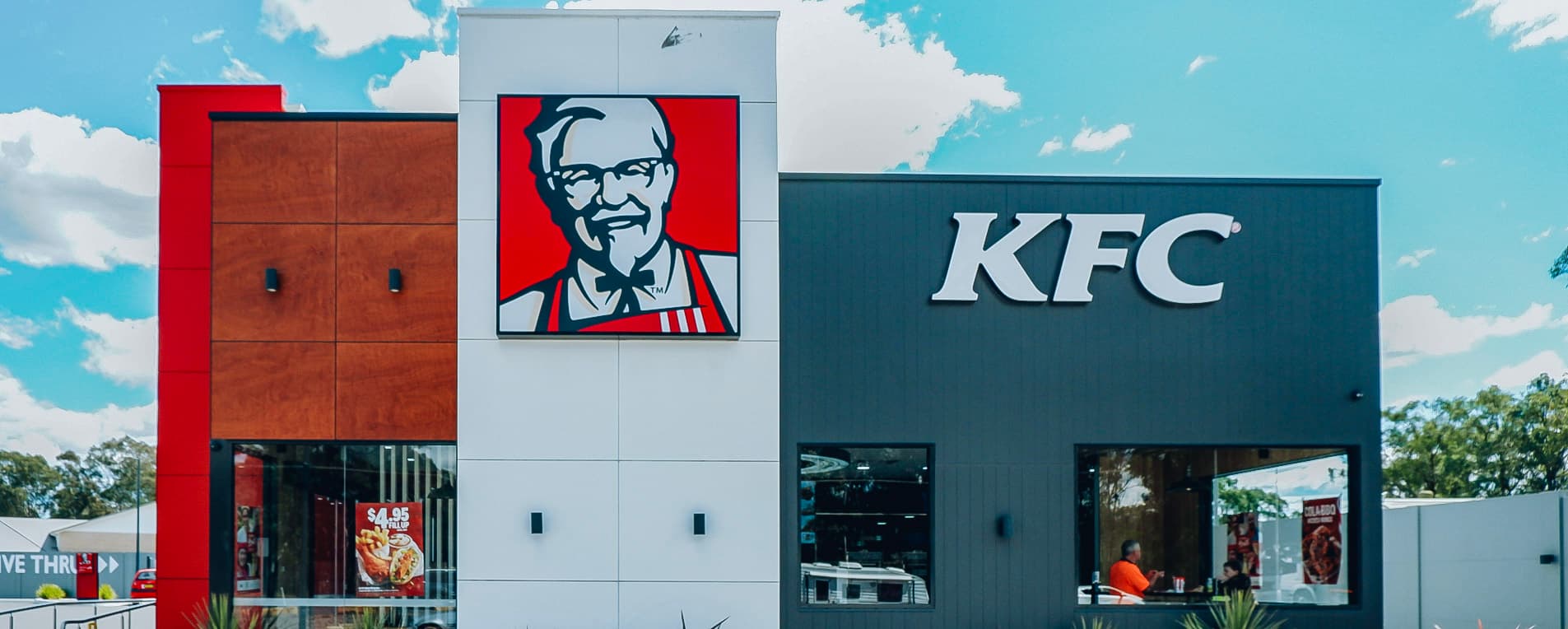
KFC has reduced its U.S. restaurant footprint over the past year, with hundreds of locations closing across the country. California saw 44 closures between July 2025 and July 2026, while Texas and Ohio were also among the states with the highest number of closures.
The pullback comes at a time when the quick-service chicken category has become increasingly competitive and restaurant operators are paying closer attention to individual store performance. For real estate investors, KFC’s contraction is another reminder that the strength of a national brand does not necessarily translate equally across every location.
A Different Picture in the U.S.
KFC remains a major global restaurant brand, with more than 34,000 locations across more than 150 countries. The company continues to expand internationally and opened hundreds of new restaurants globally during the first half of 2026. KFC has also begun rolling out updated restaurant designs, branding and menu initiatives as part of a broader effort to modernize the concept.
The U.S. footprint has moved in a different direction. Recent closures suggest KFC is becoming more selective about where its restaurants operate as competition, operating costs and changing consumer preferences place greater pressure on individual units.
For owners of restaurant real estate, that distinction matters. Brand recognition can support demand, but ultimately each location must generate enough sales to support its occupancy costs and remain competitive within its trade area.
The Real Estate Behind the Brand
When a restaurant closes, the conversation quickly shifts from the tenant to the property itself.
A well-located former KFC may still offer many of the characteristics restaurant operators look for, including drive-thru infrastructure, visibility, access, parking and established traffic patterns. Those attributes can give landlords more options when pursuing a replacement tenant.
Other properties may be more difficult to reposition. Poor access, limited vehicle stacking, an outdated building configuration or rent that exceeds what another operator can support can reduce the pool of potential users. Location quality can create meaningful differences between two properties that previously carried the same tenant and lease structure.
Restaurant Underwriting Is Becoming More Site Specific
The recent KFC closures reinforce an important consideration for restaurant investors: the tenant is only one part of the investment.
Lease term, credit and rent remain important, but investors should also consider store-level performance, market rent, surrounding demographics, traffic patterns and replacement demand. Understanding how the property would compete without the existing tenant can provide a clearer picture of its long-term value.
KFC remains one of the largest restaurant brands in the world, and its global expansion shows that the company is still investing heavily in growth. Its changing U.S. footprint, however, highlights why restaurant real estate should be evaluated location by location.
For investors, the question is not only whether the tenant is strong. It is whether the real estate can stand on its own.