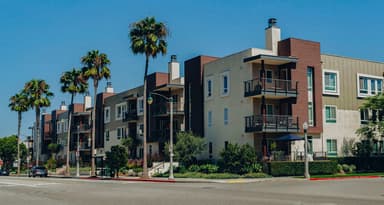
Boston, MA Multifamily Market Report September 2026

Boston’s multifamily market is entering a tighter phase as demand works through the supply added during the recent development cycle. Vacancy has declined to 5.2%, supported by approximately 8,000 units of absorption compared with 4,500 units delivered. That widening gap between demand and new supply is helping existing properties regain occupancy and limiting the competitive pressure from recent deliveries.
Asking rents average $2,996 per unit and are up 2.0% annually. Rent growth remains measured, but the combination of positive growth and declining vacancy points to healthier operating conditions than earlier in the year, when owners were competing more heavily with newly delivered properties. Recent Boston market research similarly points to easing supply pressure and improving occupancy as the metro moves beyond the heaviest portion of its recent delivery cycle.
Key Findings
- Leasing conditions are tightening as renter demand continues to outpace new deliveries, bringing vacancy down despite a sizable development pipeline.
- Rent growth remains moderate rather than accelerating sharply, suggesting operators are benefiting from stronger occupancy without significant pricing pressure on renters.
- Investment activity is strengthening alongside operating fundamentals, with higher transaction volume and pricing signaling greater liquidity in the market.
Boston Multifamily Supply & Demand Dynamics
Source: CoStar Group, Inc.
Greater Boston MSA Demographics
Source: Oxford Economics
- Unemployment Rate: 4.3%
- Current Population: 5,044,748
- Households: 1,991,608
- Median Household Income: $123,469
Boston Trends
Source: Oxford Economics
- GDP Growth: 3.2%
- Largest Employment Sector: Education & Healthcare
Greater Boston MSA Population, Labor Force, & Population Growth
Source: Oxford Economics | Over a 10-Year Period
Boston Multifamily Sales
Investment activity has strengthened, with multifamily sales volume reaching approximately $2.1 billion. Average pricing has risen to roughly $456,000 per unit while cap rates remain near 5.2%, indicating that increased transaction activity has not required a meaningful outward shift in yields.
The improvement in liquidity is occurring as buyers gain greater clarity around property-level fundamentals. Strong absorption and declining vacancy provide a firmer operating backdrop, while positive rent growth supports income expectations. Financing costs continue to shape underwriting, but the combination of improving occupancy and high barriers to new development is giving buyers and sellers more evidence around which to price assets.
Sales Activity
Source: CoStar Group, Inc.
Boston Multifamily Construction
Boston still has a substantial development pipeline, with approximately 14,418 units under construction, meaning new supply will remain an important part of the market in the near term. Current demand, however, is providing a meaningful cushion: approximately 8,000 units have been absorbed compared with 4,500 units delivered. At the same time, high construction and financing costs continue to constrain the ability to start additional projects, pointing toward a smaller pipeline once the current wave is completed. If absorption remains ahead of deliveries as that pipeline works down, existing properties could face progressively less competition from new supply.
Units Under Construction
Source: CoStar Group, Inc.
Units Construction Starts
Source: CoStar Group, Inc.