Port of LA Sees Record Traffic
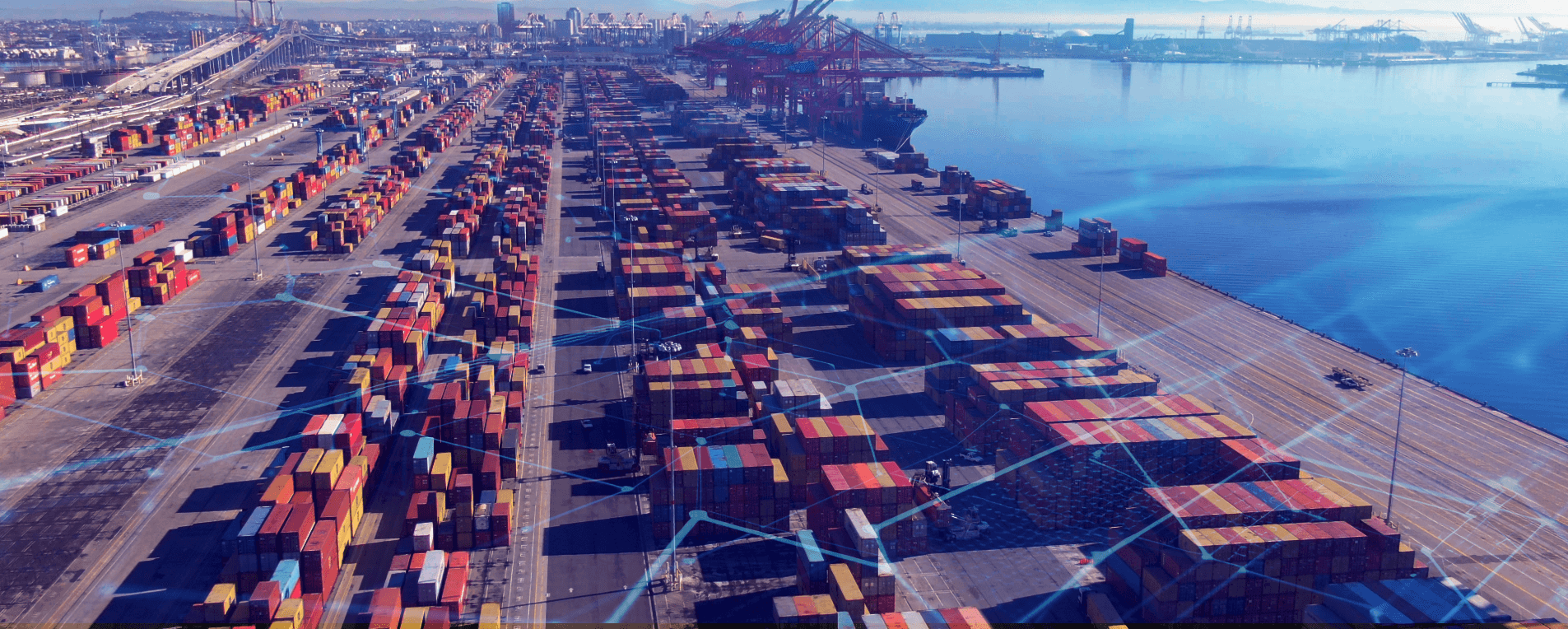
Port of LA Sees Record Traffic: Record-Breaking Cargo Volumes and the Retail Ripple Effect
The Port of Los Angeles posted its busiest month in 117 years. In July, the port processed record container volumes, driven by companies rushing to bring goods into the country ahead of looming tariffs. Executive Director Jane Soroka, speaking on Bloomberg TV, described the situation as “a rollercoaster rides all year long—and the ride’s not over yet.”
Tariffs, Timing, and the Surge in Cargo
Soroka explained the dynamic: when tariff deadlines approach, importers scramble to get cargo in before policies take effect. When those deadlines soften, orders briefly ease. That push-pull resulted in July’s record-setting month, where the port handled 107 ships—30% more than the five-year average, with no backups. Thanks to its Port Optimizer technology, Los Angeles has been able to anticipate cargo flows up to 40 days in advance, keeping wait times as low as three days, a pre-pandemic benchmark.
Yet Soroka warned that this surge front-loaded demand. August will still see healthy volumes (around 900,000–950,000 containers), however traffic is expected to drop 7–10% compared to July. By September, he expects a sharper 20% dip as importers will have already pulled forward as much inventory as possible.
Shifting Trade Patterns
There is also a notable geographic shift. In 2018, 60% of Los Angeles’s cargo originated in China. Today, that figure has fallen to 45%, replaced in part by rising flows from Vietnam, Indonesia, Malaysia, and Thailand. This diversification reflects both tariff impacts and companies’ strategies to reduce dependence on a single country. Still, smaller and mid-sized firms are struggling most. Unlike big-box retailers that can stockpile inventory, many smaller businesses are paying up to 55% in taxes on imports, often dipping into savings just to keep products moving.
Implications for Retail and CRE
For retailers, these dynamics hit on two fronts:
- Inflation and pricing pressure: Higher import costs and tariffs ripple through supply chains and eventually filter down to consumers.
- Product availability: From apparel to auto parts, ensuring that products reach shelves—or menus—on time is increasingly complex.
Retail owners should pay close attention. Tenants with strained supply chains may face revenue shortfalls that compromise their ability to cover occupancy costs. Furthermore, volatility in import flows may affect seasonal product rollouts, which are critical sales drivers for many categories.
Looking Ahead: Prepared but Cautious
Most major brands have been preparing for tariffs since campaign trail rhetoric began last year. Annual reports consistently describe tariffs as “unknown but definite future obstacles.” While many companies are well-positioned for the first few months, the long-term impact depends on how policies evolve.
As Soroka noted, “It’s the small to middle-sized firms…that we’ve got to watch real closely over the next weeks and months.” These businesses employ millions and play an outsized role in local economies. Their resilience, or lack thereof, will shape not just the retail sector but also demand for retail space in communities nationwide.
Conclusion
For now, the system is holding up under extraordinary pressure. The Port of Los Angeles has proven its ability to process record volumes efficiently, and retailers have demonstrated resilience in the face of shifting policies. But uncertainty remains. Inflationary pressures, tariff deadlines, and supply chain shifts to Southeast Asia will continue to define the landscape.
For retail CRE investors and owners, this isn’t just a logistics story. It’s a leading indicator of how tenants will perform in the coming quarters, and whether consumer shelves stay stocked.