
AuthorChristian Becker
Associate Vice PresidentAustin, TX

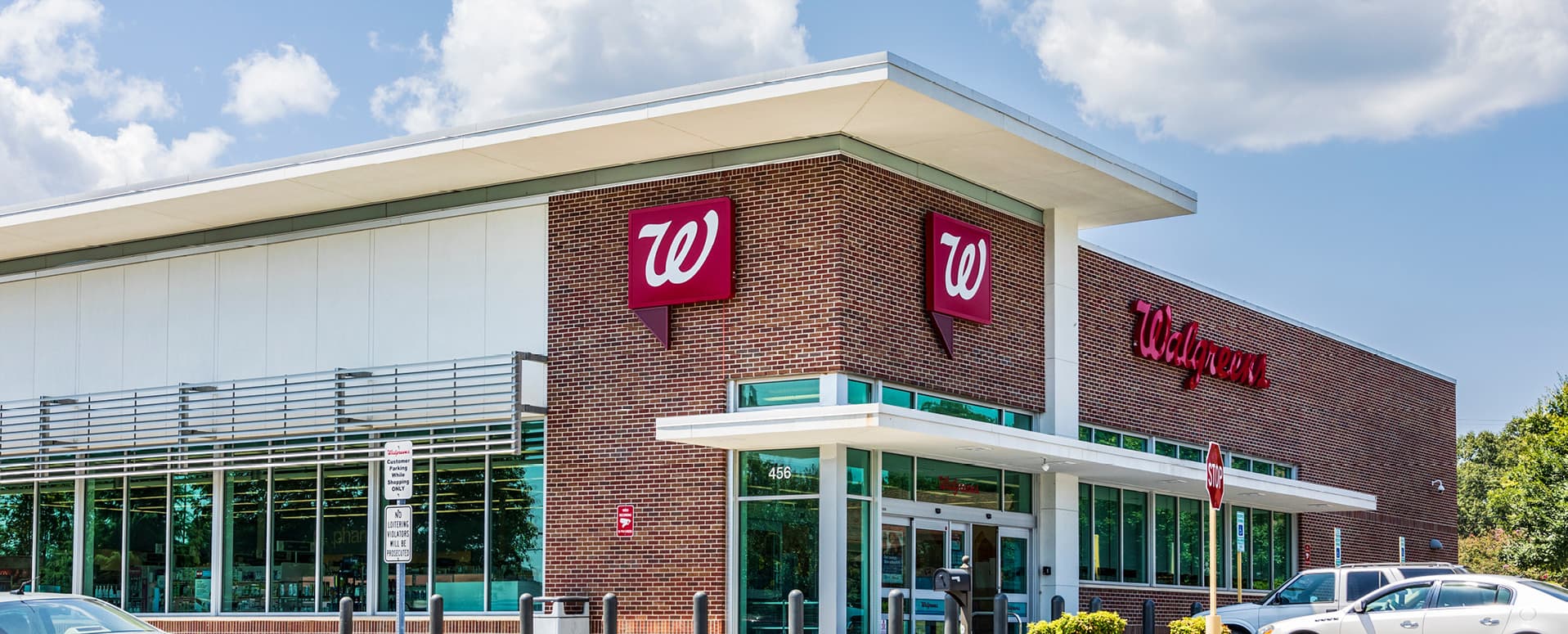
Walgreens is entering the Sycamore Era. On July 11, 2025, Walgreens shareholders overwhelmingly approved the $10 billion acquisition by Sycamore Partners, with 96% voting in favor. The transaction is expected to finalize in the second half of 2025.
Once completed, Walgreens will become a privately held company—meaning it will no longer report financials publicly and will likely lose its credit rating. The acquisition is being financed with approximately 83% debt, roughly double the average leverage utilized in private equity acquisitions.
Additionally, Walgreens has announced plans to sell off non-core assets, including VillageMD, Summit Health, and CityMD, which could return an estimated $3.00 per share to shareholders through monetization of those businesses. Sycamore could use those strategic asset sales as an opportunity to refinance their acquisition debt.
Walgreens previously announced plans to close 500 stores by Aug. 31, 2025, as part of a larger restructuring effort. Based on tracking of Walgreens’ real estate activity, news reports, and national closure maps, approximately 400 of those locations have already shuttered, with fewer than 100 remaining on track to close this year.
Looking ahead, Walgreens has announced plans to close an additional 700 stores over the next two years.
Walgreens is also monitoring 800 underperforming stores to assess whether performance can improve or if more closures are needed.
As the Sycamore acquisition advances, store consolidation is likely to accelerate under private ownership, with a focus on streamlining operations and driving income growth.
The pending private equity acquisition, ongoing store closures, and Walgreens’ expected reclassification as a non-credit tenant have created one of the most cautious lending environments the brand has ever faced.
Walgreens was once rated an A-credit tenant, and lenders across the board—including CMBS and Life Companies—competed aggressively to finance these deals. Today, however, that landscape has changed.
With Walgreens set to lose its credit rating and move to private equity ownership, CMBS and LifeCo lenders have exited the space. Today, only regional banks and credit unions, typically those familiar with the real estate, are still quoting deals. Even then, terms have tightened as loan-to-value ratios drop, spreads increase, and underwriting becomes more conservative.
For owners refinancing or buyers using debt, understanding these evolving dynamics is essential to structuring a successful transaction in today’s market.
For owners looking to refinance a Walgreens property—especially with fewer than 10 years of lease term—it’s essential to understand current market pricing before approaching a lender.
Amid a tightening Walgreens lending environment, appraisals are more conservative, loan proceeds are falling short, and more borrowers are being asked to contribute cash at closing. Lenders are prioritizing lease duration, real estate fundamentals, and tenant risk—all of which have shifted.
A quick market check can reveal how a property aligns with today’s underwriting standards. Even a modest cap rate adjustment or valuation dip can significantly impact deal structure and proceeds. Taking proactive steps early can help avoid surprises, enable strategic adjustments, and support a more confident financing approach.
A brief check-in at this stage can save time, money, and stress later, while helping to establish clear expectations and stronger negotiating power during the refinancing process.
A Walgreens owner in the Midwest attempted to refinance partway through the process—unfortunately, too late. The property was appraised at a 7.50% cap rate, resulting in a valuation of $8,800,000, significantly below expectations. With a loan balance of $7,850,000, the lender required an additional $2,130,000 in equity to meet revised loan-to-value requirements.
The deal collapsed when the borrower couldn’t meet equity requirements, sending the loan to special servicing after default. A simple early market check could have revealed the valuation gap and enabled strategic adjustments to avoid this outcome.
Christian Becker
Matthews™ Drugstore Division
Matthews Real Estate Investment Services