AuthorDaniel Gonzalez
First Vice President & Associate DirectorTampa, FL

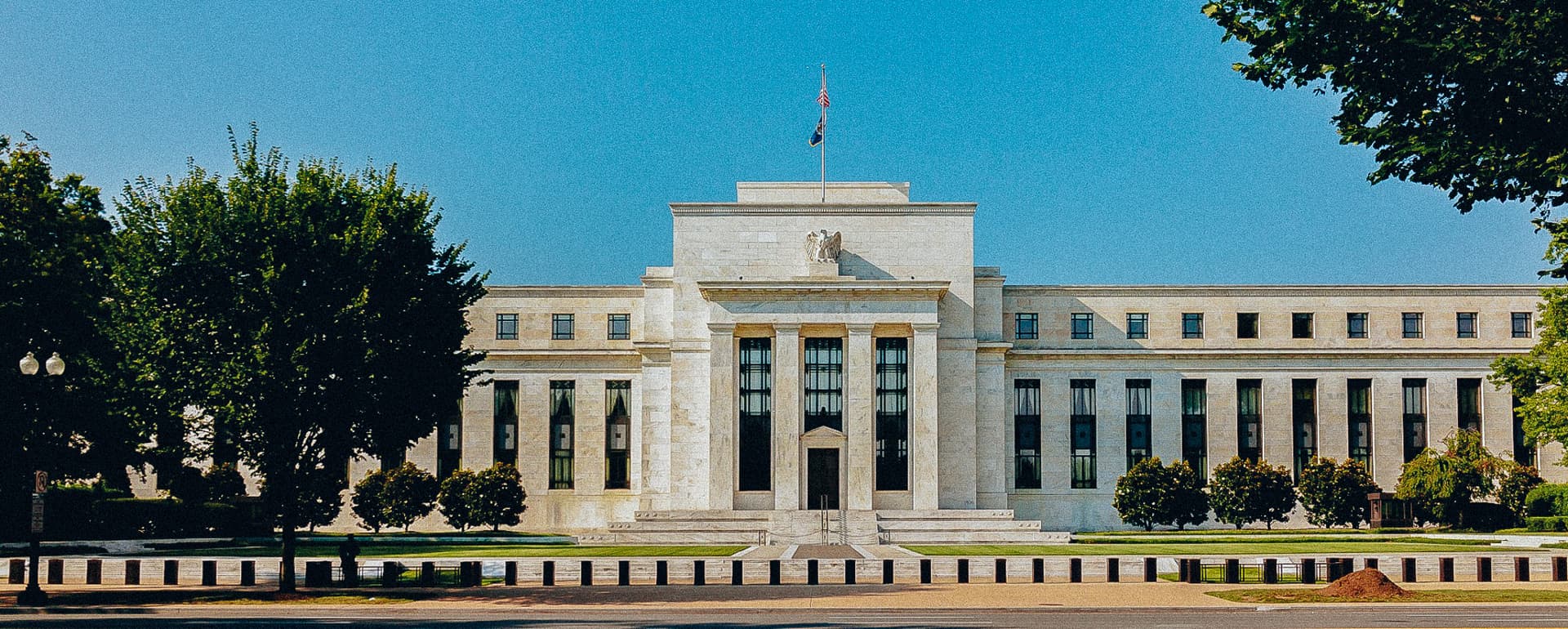
Commercial real estate investors entered 2026 with cautious optimism that inflation would continue to moderate and create a path toward lower interest rates. Recent comments from the Federal Reserve, however, suggest that timeline may be less certain.
While the Fed left rates unchanged at its June meeting, policymakers signaled that inflation remains a concern and that additional rate increases remain possible if price pressures persist. The announcement serves as another reminder that the commercial real estate market may need to operate in a higher-rate environment longer than many anticipated.
For investors, the implications extend beyond the prospect of another rate hike. The more significant question is how prolonged uncertainty around monetary policy could influence investment decisions, transaction activity, and capital allocation moving forward.
Commercial real estate has spent the last several years adjusting to a dramatically different capital markets environment. Borrowers, lenders, and investors have largely recalibrated underwriting assumptions to account for higher borrowing costs and more selective lending conditions.
As a result, another rate increase may have less impact on day-to-day underwriting than it would have several years ago. Instead, the greater influence may be on investor expectations. Many market participants anticipated that lower rates would provide additional momentum for transaction activity in 2026. The Fed’s latest messaging suggests that investors may need to continue operating under the assumption that capital will remain relatively expensive for the foreseeable future.
Interest rates continue to play an important role in transaction volume, pricing, and liquidity across commercial real estate. Elevated borrowing costs have narrowed acquisition spreads, increased refinancing challenges, and contributed to a more selective investment environment.
At the same time, market activity has not come to a standstill. Many investors continue to pursue acquisitions, particularly when property fundamentals support long-term value creation. This dynamic highlights an important distinction in today’s market: while financing conditions remain challenging, investment decisions are increasingly being driven by asset-level performance rather than broad macroeconomic forecasts.
The impact of a prolonged higher-rate environment will vary across the market. Owners facing upcoming loan maturities may encounter additional pressure as refinancing costs remain elevated. Meanwhile, investors with available capital and flexible investment horizons may find opportunities as pricing expectations continue to adjust.
Periods of uncertainty often create divergence between market participants. While some investors choose to wait for greater clarity, others focus on identifying assets with strong fundamentals, stable cash flow, and long-term growth potential regardless of short-term interest rate movements.
Although the possibility of another rate hike has generated headlines, many investors remain focused on broader market fundamentals. Occupancy trends, tenant demand, rent growth, and property performance continue to influence investment outcomes across sectors.
Higher interest rates create headwinds, but they do not eliminate opportunities. In many cases, they place greater emphasis on disciplined underwriting, operational execution, and strategic asset selection. As the market continues to adjust to evolving economic conditions, those fundamentals remain critical drivers of long-term value.
The Federal Reserve’s latest comments reinforce a reality that commercial real estate investors have increasingly come to accept: uncertainty surrounding interest rates is likely to remain part of the investment landscape. Success in today’s market depends less on predicting the timing of future rate moves and more on identifying opportunities that can perform across a range of economic scenarios.