AuthorDaniel Gonzalez
First Vice President & Associate DirectorTampa, FL

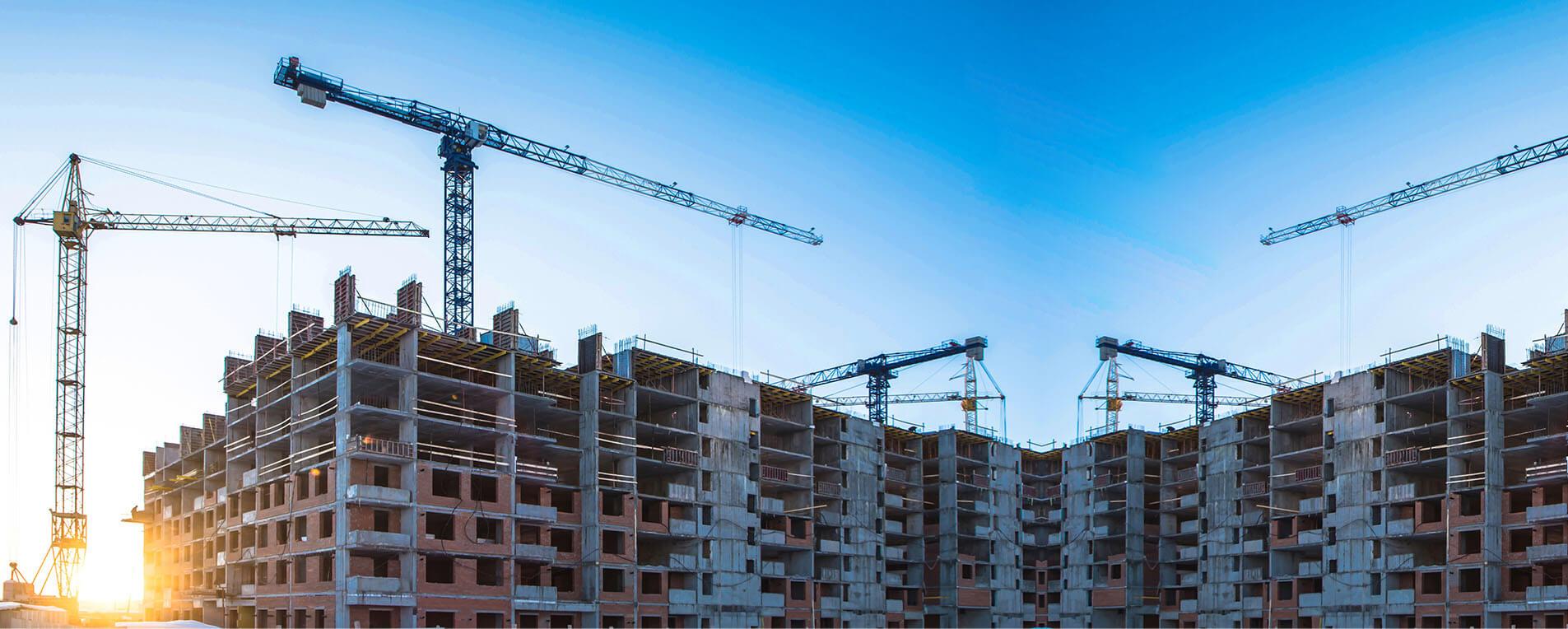
Retailers continue to seek space, but developers are finding fewer projects that make financial sense. According to CoStar, retail construction starts fell to 10 million square feet in Q3 2026, the lowest quarterly total since its records began in 2007. Through September, starts totaled approximately 35 million square feet, putting the year on pace for another record low.
For existing retail owners, the slowdown could help limit competition from new properties. However, flat asking rents during the quarter suggest that limited supply alone has not been enough to drive broader rent growth.
Elevated land prices, construction expenses, and borrowing costs have widened the gap between the rents developers need and what tenants will pay. Even with steady leasing demand and limited available space, many projects cannot generate the income needed to justify construction.
The national retail pipeline stood at 58.3 million square feet at the end of Q3, down from 63.3 million square feet at the start of the year. Small-format pad sites, which account for much of recent development activity, are particularly sensitive to higher costs.
Completed projects are adding relatively little space for tenants still searching for locations. Approximately three-quarters of new retail space was pre-leased before completion, according to CoStar.
After accounting for demolitions, net additions totaled 29.1 million square feet over the past year, increasing national retail inventory by just 0.2%. Development also remains concentrated geographically. Dallas-Fort Worth, Houston, and Austin together accounted for nearly 27% of the national construction pipeline.
A smaller development pipeline may support occupancy and strengthen the appeal of existing properties in areas where retailers want to expand. Well-located centers with accessible sites and suitable space could benefit as tenants face fewer new options.
That advantage will vary by property and market. Flat national asking rents underscore the need to evaluate local tenant demand, achievable lease rates, and improvement costs. For owners, the opportunity lies in understanding which retailers can use their space and what it will take to secure them.