
Rural Healthcare Real Estate Investing Where Demographics, Regulation, & Necessity Converge
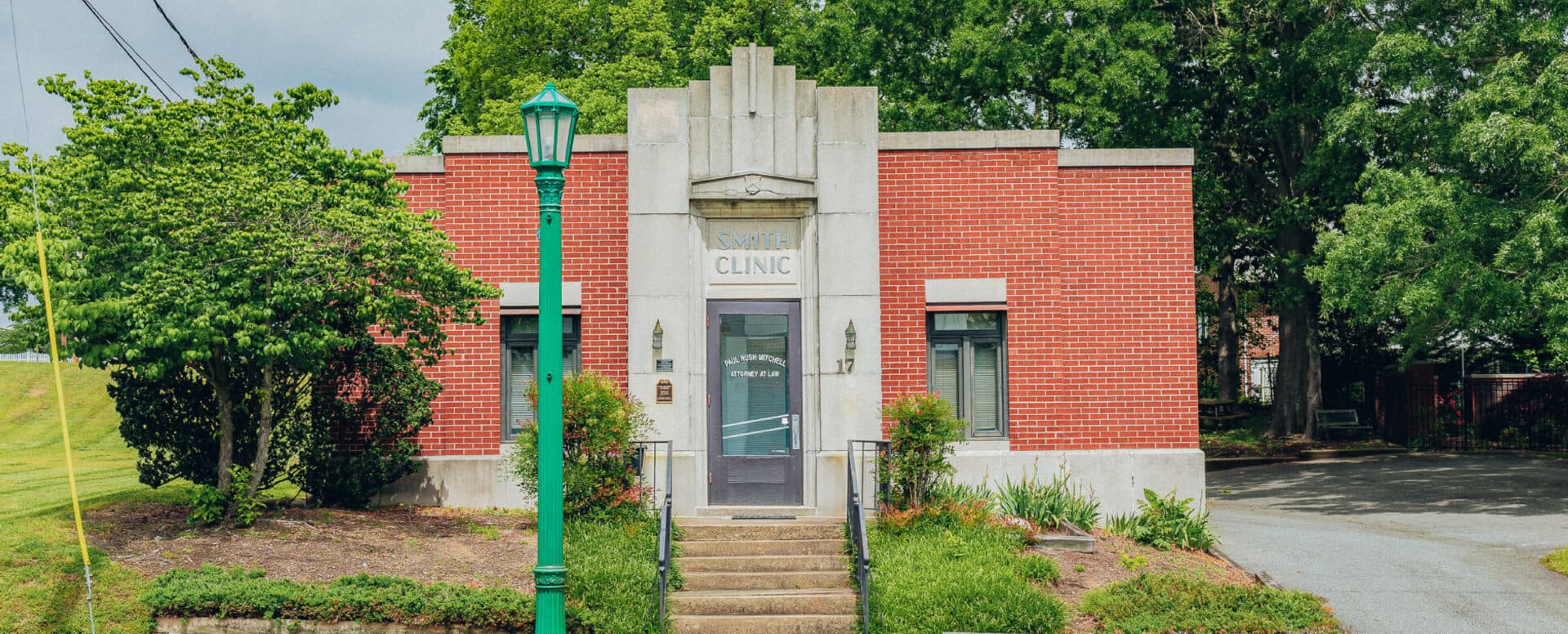
Healthcare Demand Doesn’t Stop at City Limits
Over the past decade, affordability pressures, retirement migration, remote work flexibility, and changing lifestyle preferences have encouraged millions of Americans to relocate beyond major metropolitan areas into smaller cities, rural communities, and retirement corridors. This trend has been especially pronounced across the Southeast, including Florida, Texas, Georgia, North Carolina, South Carolina, Tennessee, Alabama, Mississippi, Arkansas, Louisiana, Kentucky, Virginia, and Oklahoma, where lower housing costs, favorable tax environments, and a slower pace of life continue to attract both retirees and working-age households. According to the U.S. Census Bureau, the South’s population grew 6.0% between 2020 and 2025, nearly double the national growth rate of 3.1%, making it the nation’s fastest-growing region. At the county level, nine of the ten fastest-growing U.S. counties are located in the South, with much of that growth occurring outside traditional urban cores.
While population growth often receives the most attention, one reality remains unchanged: people living in rural communities still require access to healthcare. In many cases, healthcare demand may be even greater. Rural populations tend to be older, have lower household incomes, experience higher rates of chronic conditions such as diabetes, obesity, heart disease, and smoking-related illnesses, and often face greater barriers to accessing physicians and specialty care. As these communities continue to grow, the need for outpatient medical facilities, physician offices, imaging centers, dialysis clinics, behavioral health providers, and ambulatory surgery centers continue to increase, even as healthcare infrastructure struggles to keep pace.
These migration patterns are particularly evident across Florida, Texas, Tennessee, Georgia, North Carolina, and South Carolina, where relatively lower housing costs, favorable tax environments, and lifestyle preferences continue to attract both working-age households and retirees. Healthcare infrastructure, however, has not expanded at the same pace. While residential development can occur relatively quickly, expanding healthcare capacity requires physician recruitment, specialized facilities, regulatory approvals, and provider enrollment, often creating a growing gap between where people live and where care is available.
Healthcare Demand Is Driven by Demographics, Not Economic Cycles
Most commercial real estate sectors are closely tied to the broader economy. Office demand rises and falls with employment. Retail performance reflects consumer spending. Industrial properties benefit from manufacturing activity, trade, and logistics growth.
Healthcare real estate is supported by a different set of fundamentals. While economic conditions can influence the timing of certain elective procedures, long-term demand is driven primarily by population growth, aging demographics, chronic disease prevalence, physician availability, and government reimbursement programs.
Unlike most consumer spending, healthcare demand is driven by medical necessity rather than discretionary consumption. While consumers can postpone purchases and businesses can delay expansion, aging and chronic disease operate on their own timeline. As a result, healthcare often remains one of the last expenses individuals are willing, or able, to forgo.
As a result, healthcare real estate often exhibits demand characteristics that differ meaningfully from traditional commercial property sectors. Although no asset class is immune to economic cycles, healthcare demand is generally shaped by demographic trends that evolve over decades rather than short-term fluctuations in the economy.
Population Growth Is Outpacing Healthcare Supply
Healthcare infrastructure cannot be delivered at the same pace as residential development. While new homes and commercial projects can often be completed within a few years, expanding healthcare capacity requires physician recruitment, regulatory approvals, specialized construction, and long-term capital investment.
Many counties with populations of 20,000 to 50,000 residents rely on a single primary care clinic, one urgent care provider, and limited specialty services. Patients often travel significant distances for orthopedic care, behavioral health, dialysis, imaging, or outpatient procedures. While these communities may appear small on paper, they frequently serve as healthcare hubs for multiple surrounding counties.
The challenge is becoming more pronounced as provider shortages worsen. The Association of American Medical Colleges projects the United States could face a shortage of up to 86,000 physicians by 2036, with primary care among the specialties expected to experience the greatest shortages. Roughly 20% of Americans live in rural communities, yet only about 10% of physicians practice there.
As population growth collides with physician shortages, existing outpatient facilities become increasingly important. In many markets, expanding access depends as much on recruiting physicians as constructing new buildings.
Regulatory Barriers Create Scarcity
Most commercial real estate investors think about barriers to entry in terms of land availability, zoning restrictions, or construction costs. Healthcare introduces barriers to entry that extend well beyond land, zoning, and construction costs. State licensing, Medicare enrollment, accreditation, provider recruitment, and specialized facility requirements can significantly extend the timeline required to deliver new healthcare capacity.
For many healthcare providers, Medicare certification is not simply a regulatory requirement, it is essential to financial viability. Without it, many practices cannot effectively operate.
This is becoming increasingly important as healthcare delivery shifts away from centralized hospital campuses and toward outpatient facilities located closer to where patients live. Advances in medical technology and reimbursement models have allowed primary care, behavioral health, dialysis, imaging, ambulatory surgery, physical therapy, autism and ABA therapy, and specialty physician practices to serve communities that previously relied on regional hospitals for routine care.
As health systems expand these services, demand for healthcare real estate is extending beyond major metropolitan medical districts into secondary and rural markets. However, adding new healthcare capacity in these communities is not as straightforward as opening a conventional office or retail location.
Many healthcare operators require state licensing, Medicare certification, provider enrollment, accreditation, and other regulatory approvals before they can begin treating patients. For many providers, Medicare participation is essential to maintaining financial viability, making certification both a financial and operational necessity.
Even in markets with growing demand, new competition cannot emerge overnight. Regulatory approvals, physician recruitment, provider enrollment, and specialized construction requirements often extend development timelines well beyond those of conventional commercial projects.
These barriers create scarcity that extends well beyond the real estate itself. Even after a healthcare facility is constructed, replacing an established provider requires considerably more than simply building another medical office. Recruiting physicians, securing Medicare enrollment and payer contracts, establishing referral relationships, obtaining regulatory approvals, and earning patient trust often takes years. As a result, existing healthcare providers frequently benefit from competitive advantages that are difficult and time-consuming to replicate.
These barriers not only limit new competition, but they also contribute to why healthcare tenants often remain in place for long periods of time.
Why Healthcare Tenants Stay Longer
Healthcare tenants are among the stickiest occupiers in commercial real estate because relocating medical practice is operationally complex, capital intensive, and disruptive to patient care.
Relocating a physician practice involves substantially more than moving furniture and computers. Licensing updates, payer credentialing, patient notifications, referral coordination, medical equipment relocation, and specialized construction all contribute to relocation costs that frequently exceed those of traditional office users. Medical buildouts often range from $100 to more than $200 per square foot and may include medical gas systems, lead-lined walls, reinforced electrical infrastructure, specialized HVAC systems, imaging equipment, and advanced diagnostic technology.
These operational and financial barriers create significant switching costs, making relocation both disruptive and expensive. As a result, healthcare tenants often exhibit longer occupancy periods and higher renewal rates than traditional office users.
Understanding Higher Cap Rates
Rural healthcare properties often trade at higher capitalization rates than comparable assets in major metropolitan markets, not necessarily because the underlying real estate is weaker, but because investors require additional compensation for lower liquidity and smaller buyer pools.
Smaller markets typically generate fewer transactions, fewer comparable sales, and a more limited pool of active buyers. Successful underwriting often requires a deeper understanding of local healthcare dynamics, physician supply, referral networks, reimbursement exposure, and the competitive landscape than many traditional commercial real estate investments.
An 8,000-square-foot rural medical office building may represent far more than its size suggests. It may house the county’s dominant primary care practice, the only dialysis clinic within a regional trade area, or a specialty physician group serving patients across multiple counties. These facilities frequently function as essential healthcare infrastructure despite serving relatively small populations.
These factors help explain the pricing spread between urban and rural healthcare assets. In many cases, investors are compensated with additional yield for accepting lower liquidity rather than materially different real estate fundamentals. When supported by strong tenants, long-term leases, and favorable healthcare dynamics, rural assets may offer attractive risk-adjusted returns.
Looking Beyond Population Counts
Population alone rarely tells the full investment story. Understanding a rural healthcare market requires evaluating physician supply, referral networks, reimbursement dynamics, barriers to new competition, and the role a facility plays within its local healthcare ecosystem.
Smaller markets require thoughtful underwriting, and rural healthcare investments are not appropriate for every investor. However, communities experiencing sustained population growth, aging demographics, physician shortages, and limited healthcare access may offer durable demand supported by barriers to replacement that are difficult to replicate.
For investors willing to evaluate healthcare fundamentals rather than population counts alone, rural healthcare real estate offers exposure to essential community infrastructure supported by long-term demographic trends, high tenant switching costs, and limited competitive supply.