
Santa Barbara Rent Control Update (2026): What Property Owners and Investors Need to Know
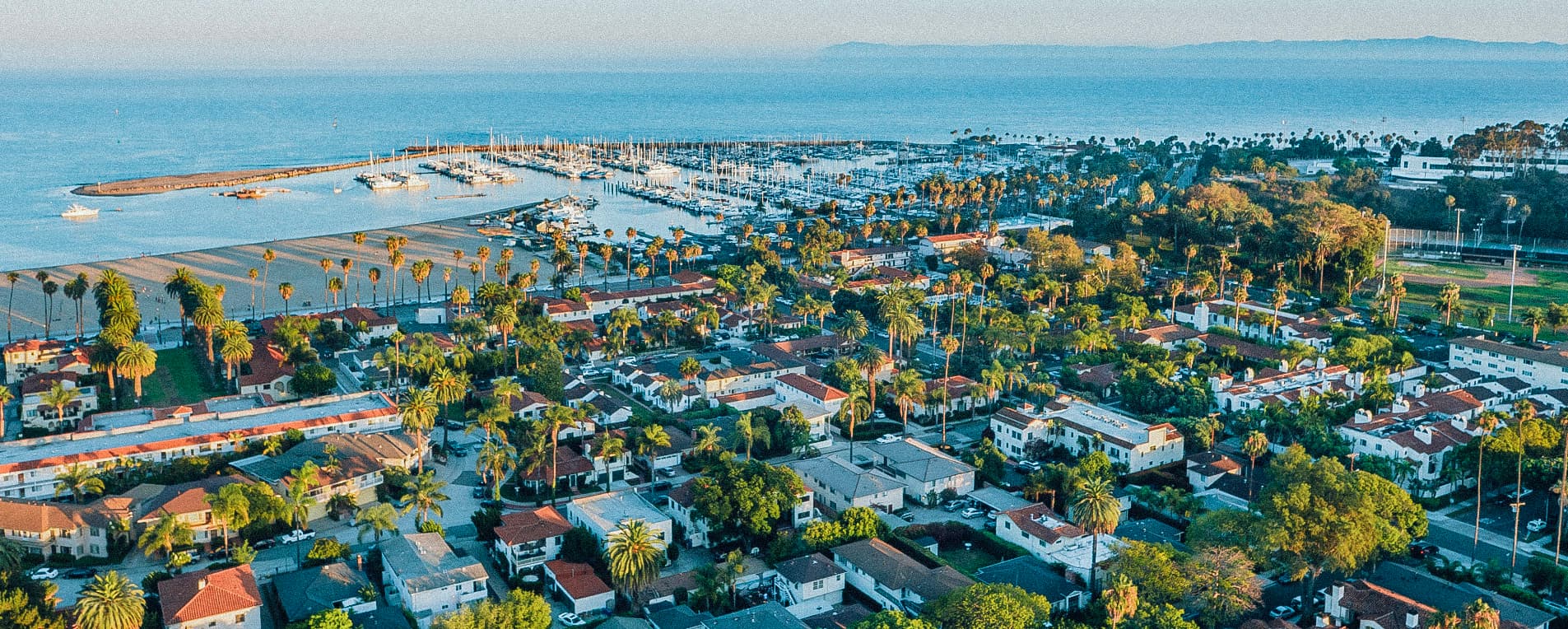
The City of Santa Barbara has taken significant steps toward implementing rent control, beginning with an active rent freeze and progressing toward a permanent regulatory framework. For apartment owners and investors, these changes have real implications for property performance, valuation, and long-term strategy.
This overview breaks down what is currently in effect, what is coming next, and how to think about positioning in this evolving environment.
A Temporary Rent Freeze Is Already in Place
As of February 2026, Santa Barbara enacted a temporary rent freeze affecting applicable multifamily units.
Under this policy:
- Rent increases are currently limited to 0%
- Rental rates are effectively locked at approximately December 2025 levels
- The freeze is expected to remain in place through December 31, 2026, unless a permanent ordinance is adopted sooner
For owners, this means near-term income growth is paused, regardless of broader market conditions.
A Permanent Rent Control Framework Is on the Way
In April 2026, the City Council approved the direction of a long-term rent control ordinance. While final details are still being formalized, the framework provides a clear view of where policy is heading.
Key components under consideration include:
- Annual rent increases capped at:
- 60% of CPI
- With a maximum cap of 3%
- Only one rent increase allowed per 12-month period
- No rent banking, limiting the ability to carry forward unused increases
- Limited exemptions, largely aligned with state requirements
- A mandatory rental registry
- A structured “fair return” petition process for landlords seeking relief
The final ordinance is expected in mid-to-late 2026, with likely implementation in 2027.
Timeline at a Glance
- February 2026 – Rent freeze implemented
- April 2026 – Rent control framework approved by City Council
- Mid–Late 2026 – Final ordinance anticipated
- 2027 (Expected) – Permanent rent control takes effect
How This Impacts Property Values and Investment Strategy
These regulatory changes are expected to reshape how multifamily assets in Santa Barbara are evaluated and traded.
1. Reduced Rent Growth Potential
With annual increases capped and a current 0% freeze in place, revenue growth becomes more predictable, but also more constrained.
2. Compression of Value-Add Opportunities
Traditional value-add strategies that rely on meaningful rent increases will likely face limitations, reducing upside potential for repositioning deals.
3. Shift Toward In-Place Income
Buyers are expected to place greater emphasis on current income performance rather than projected pro forma growth.
4. Changing Buyer Preferences
We are already seeing increased interest in:
- Exempt assets (where regulations are less restrictive)
- Properties outside Santa Barbara city limits
- Alternative asset classes with more flexible income dynamics
Key Considerations for Owners and Investors
Given the direction of policy, now is an important time to evaluate strategy.
Owners may want to consider:
- Hold vs. sell decisions in light of future rent caps
- Timing of a potential disposition before permanent regulations are enacted
- Repositioning capital through a 1031 exchange into:
- Less regulated markets
- Passive investments such as net-leased (NNN) properties
Every situation is different, but proactive planning can help preserve value and identify new opportunities.
Final Thoughts
Santa Barbara’s move toward rent control represents a meaningful shift in the local multifamily landscape. While the long-term framework is still being finalized, the direction is clear: tighter regulation, slower rent growth, and a more income-focused investment environment.
For property owners and investors, understanding these dynamics, and acting early, can make a significant difference in outcomes.