AuthorTarik Fattah
Associate Vice PresidentOrange County, CA

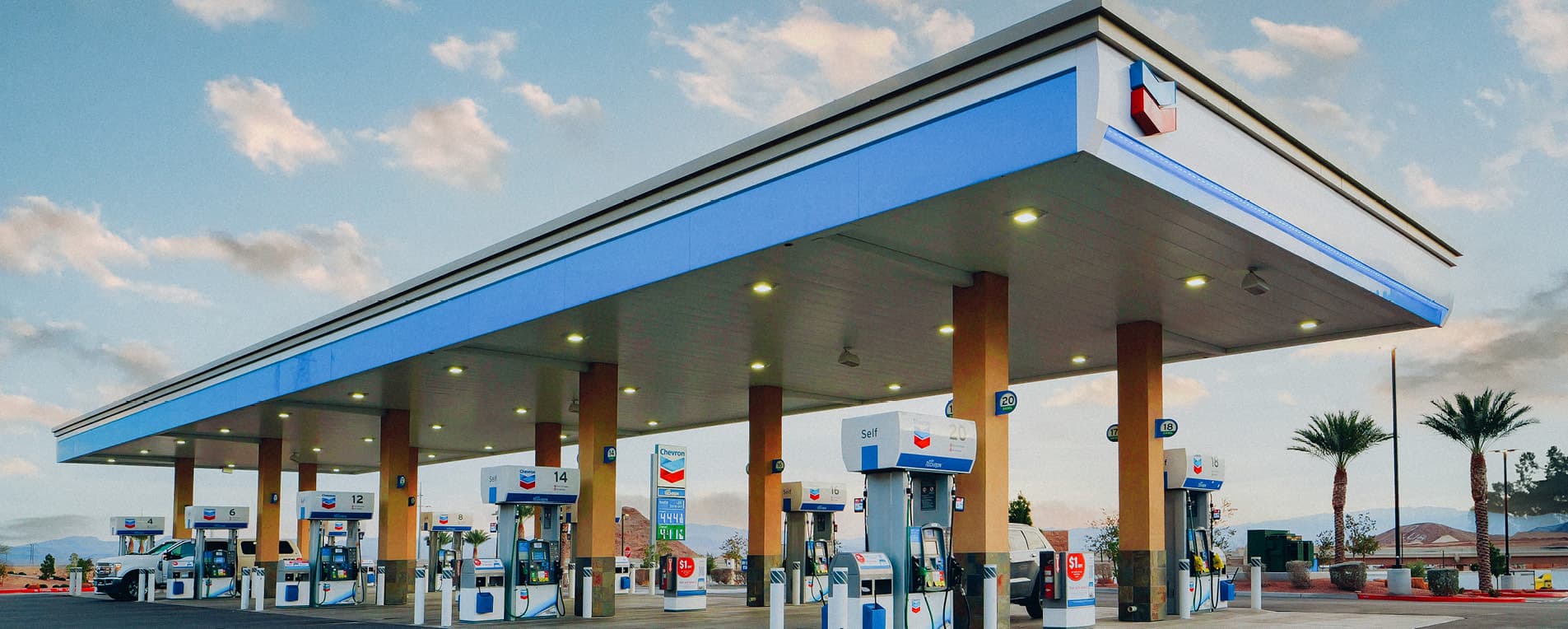
In 2025, gas station properties across Southern California continued to attract strong investor interest. Despite tighter lending conditions and elevated borrowing costs, transaction activity remained active across the region, with more than 100 reported sales across major counties.
Investors are increasingly viewing gas stations not only as operating businesses but as long-term real estate assets located on highly visible corner sites with consistent consumer demand. Limited development opportunities and strong traffic patterns continue to support the value of well-located properties.
One factor supporting investor demand is the continued use of cost segregation and bonus depreciation, which can provide meaningful tax advantages for certain investors. While bonus depreciation has begun phasing down from previous levels, these strategies still play a role in how some buyers evaluate returns.
At the same time, gas station development in Southern California remains difficult due to zoning restrictions, environmental review requirements, and limited available sites. As a result, many existing stations benefit from high barriers to entry and limited competitive supply.
Sale-leaseback transactions have also become more common as operators look to unlock capital tied up in real estate while continuing to operate their locations.
Southern California remains one of the most densely populated fuel markets in the country. High commuter volumes and limited land availability contribute to sustained demand for strategically located sites.
Estimated station counts across the region include:
Several factors continue to attract capital to the sector:
In the current market environment, inventory remains limited and buyer interest continues to be strong across many Southern California submarkets. While underwriting standards remain disciplined, lenders are still supportive of properties with established operating histories and desirable locations.
Electric vehicle adoption continues to grow, but most investors view the transition as a long-term shift rather than an immediate disruption to the existing fuel retail model.
Overall, the market remains liquid for well-located gas station assets, although pricing continues to vary based on site quality, lease structure, and operator strength.
| County | Transactions | Top Sale | Pricing Pattern | Value Driver |
| Riverside | 13 | $14.6M | Larger newer sites achieve strongest pricing | Growth corridors |
| San Diego | 16 | $10M+ | Premium pricing across most asset sizes | Demographics & location |
| Los Angeles | 46 | $8.32M | Smaller sites still command strong pricing | Land value |
| San Bernardino | 30 | $8.2M | Competitive pricing for larger sites | Population growth |
| Orange | 14 | $8.1M | Mid-market stability around $4M–$6M | Infill scarcity |
Regional trend: coastal and urban markets tend to trade at premiums driven by land scarcity, while inland markets often see pricing supported by larger site footprints and growth corridors.
Owners of gas station properties are currently operating in a market with strong buyer demand and limited new supply.
Buyers are typically looking for:
Owners may consider selling when:
Gas station properties are increasingly evaluated as long-term real estate assets supported by location, limited supply, and consistent consumer demand.
Understanding current buyer demand and pricing trends is critical for owners considering refinancing, recapitalization, or a potential sale.

Mahmood Shaheen
Associate