AuthorDaniel Gonzalez
First Vice President & Associate DirectorTampa, FL

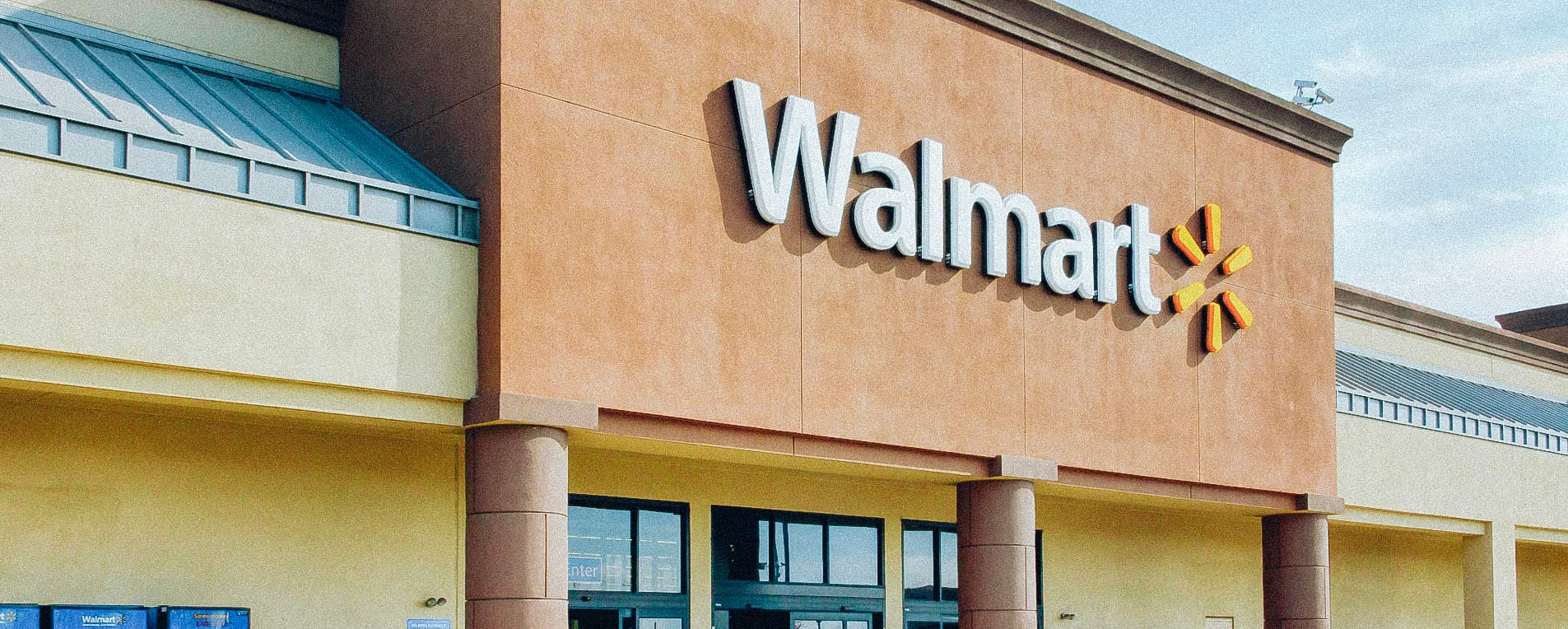
For years, retail real estate conversations focused on contraction. Store closures, e-commerce disruption, and the “retail apocalypse” dominated headlines. Walmart’s expansion strategy points to a different reality: physical retail is becoming infrastructure.
Walmart has invested heavily in blending retail, logistics, and fulfillment into the same footprint. Stores are no longer just places to shop. They now function as localized distribution nodes supporting pickup, same-day delivery, and online fulfillment. The company operates more than 4,600 stores nationwide and plans to remodel more than 650 locations this year alone, further integrating fulfillment and delivery capabilities into existing stores.
Retail sites were traditionally judged by traffic counts and in-store sales productivity. Now, proximity to dense population centers, parking layout, access, and delivery efficiency matter just as much. A well-positioned retail box can support both in-store customers and digital fulfillment operations simultaneously.
Walmart’s store network gives the company a major advantage. Instead of relying entirely on large regional distribution centers, inventory can move closer to the consumer through existing retail locations. Faster delivery windows and lower last-mile costs become part of the real estate strategy.
This same shift toward proximity and convenience is also reshaping how other retail properties are being evaluated and reused.
Pharmacy closures continue to create new vacancies across many markets. CVS has already closed roughly 900 stores in recent years and announced hundreds of additional closures as part of its ongoing footprint optimization strategy. Walgreens has separately announced plans to close approximately 1,200 stores over the next several years.
Many of those spaces fall into the 10,000–15,000 square foot range and sit in dense, high-traffic corridors. These locations were built around convenience and accessibility, the same characteristics that matter in last-mile logistics.
There is no evidence that Walmart is broadly targeting former pharmacies as fulfillment hubs today. Still, the overlap is hard to ignore. Many of these locations already sit near rooftops, major intersections, and established consumer traffic patterns. Those characteristics make them increasingly viable for logistics-adjacent retail, micro-fulfillment, or other proximity-driven uses.
That possibility changes how some retail vacancies may be viewed going forward.
Retail and industrial real estate are starting to overlap in ways the market did not fully anticipate a decade ago. A property’s value is no longer tied strictly to shopping activity. In some cases, the real value may come from how efficiently that site moves inventory to the customer.
Retailers are competing on speed, convenience, and proximity. Walmart’s continued investment in store modernization, fulfillment integration, and delivery infrastructure reflects that shift clearly.
The question is no longer whether physical retail remains relevant. The better question is which properties are positioned to support the next version of retail altogether.