Beyond the Slice: What Pizza Hut’s Sale Signals for Restaurants and Retail Real Estate
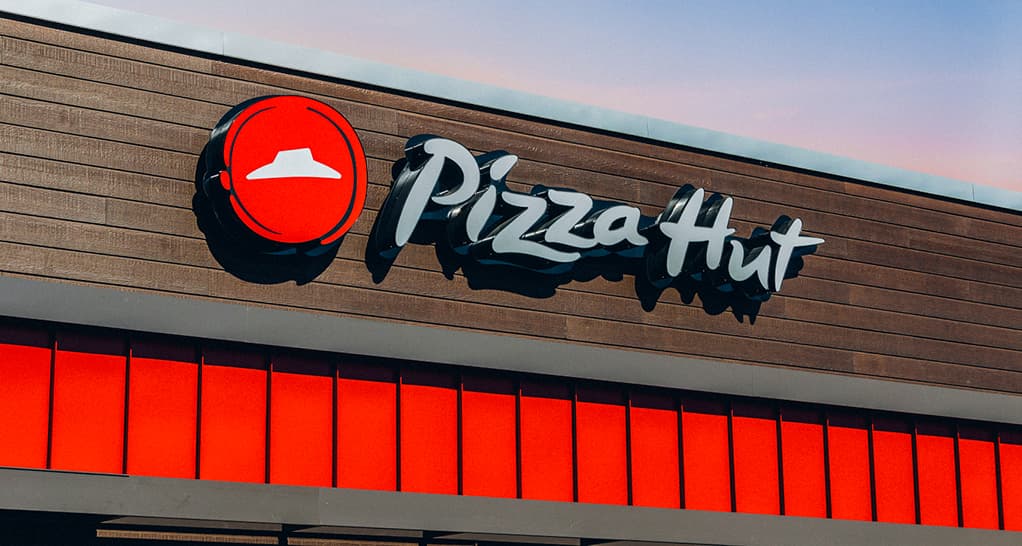
Pizza Hut is entering a defining moment.
After years of declining sales, Yum! Brands has agreed to sell the iconic pizza chain in a transaction valued at approximately $2.7 billion. Under the agreement, LongRange Capital will acquire Pizza Hut’s operations outside Mainland China, while Yum China Holdings will purchase the China business. The deal follows ten consecutive quarters of declining U.S. same-store sales, a trend that has weighed heavily on one of the industry’s most recognizable brands. Investors welcomed the announcement, sending Yum! Brands’ stock up roughly 3% after the news broke.
The sale represents more than a change in ownership. It reflects the challenges many legacy restaurant brands face as consumer preferences shift, operating costs rise, and competition intensifies. It also underscores a broader trend. Restaurant operators are reevaluating their portfolios, investing more selectively, and adapting their physical footprints to better align with today’s market. Those decisions continue to reshape retail real estate.
Private Equity Sees Opportunity, but Success Is Far from Guaranteed
Private equity firms continue to pursue established restaurant brands with strong name recognition but declining performance. The strategy is straightforward: acquire a recognizable company, improve operations, increase profitability, and position the business for long-term growth.
Restaurants, however, have proven difficult to turn around.
Several well-known chains, including Red Lobster and TGI Fridays, struggled after years of private equity ownership. Their experiences sparked industry-wide discussions about the risks associated with heavy debt loads, aggressive cost-cutting, and reduced capital investment. Those challenges do not define every private equity acquisition, but they have made franchisees, landlords, and investors more cautious when another legacy restaurant brand changes hands.
Pizza Hut’s future may be different. LongRange Capital has built its reputation by focusing on operational improvements and long-term value creation rather than short-term financial engineering. Even so, the firm inherits a brand that must regain relevance in one of the restaurant industry’s most competitive categories.
A Comeback Built on Nostalgia
Rather than relying exclusively on menu innovation or digital ordering, the company has invested in an experience many consumers still remember. Updated versions of the chain’s iconic red-roof restaurants are bringing dine-in service back to the forefront, creating spaces that capture the family atmosphere that helped make Pizza Hut a household name.
The strategy reflects a broader trend across retail and hospitality. Consumers continue to value memorable in-person experiences, and nostalgia has become an effective way for established brands to reconnect with longtime customers.
Today’s pizza market looks very different than it did when Pizza Hut dominated the category. Third-party delivery platforms have expanded consumer choice, independent operators compete more effectively than ever, and national chains continue investing in technology, loyalty programs, and operational efficiency. Pizza Hut must balance its heritage with a modern customer experience if it hopes to regain market share.
The Pizza Category Is Undergoing a Broader Reset
The pizza category has become increasingly competitive as operators navigate higher labor costs, inflation, changing consumer spending habits, and slowing traffic growth. Many brands are reassessing where they invest, how they grow, and which locations continue to support long-term profitability.
Papa Johns recently announced plans to close underperforming restaurants across multiple states as part of a broader effort to optimize its footprint. The decision reflects a larger industry trend. Expansion is no longer the primary objective. Operators are focusing on stronger markets, improving unit economics, and building healthier portfolios rather than simply adding more locations.
That shift has important implications for commercial real estate. As brands become more selective, the quality of the real estate often becomes just as important as the strength of the tenant.
What This Means for Commercial Real Estate
For commercial real estate professionals, Pizza Hut’s sale is about far more than a corporate transaction.
Private equity ownership often accelerates portfolio reviews. Companies evaluate store performance, remodel successful locations, relocate restaurants, renegotiate leases, and close sites that no longer fit their long-term strategy. Those decisions create opportunities for landlords, developers, brokers, and investors while also increasing the importance of understanding tenant strategy.
Brands looking to reinvent themselves frequently pursue second-generation restaurant space that better supports today’s operating model. Modern prototypes, smaller footprints, efficient drive-thrus, and highly visible trade areas have become priorities as operators seek greater efficiency and stronger returns.
The transaction also reinforces an important investment lesson. A recognizable tenant does not guarantee a successful real estate investment. Investors should evaluate both the strength of the operator and the long-term fundamentals of the underlying real estate. Strong demographics, excellent visibility, high traffic counts, and redevelopment potential often determine an asset’s value long after a particular tenant leaves.
As restaurant operators continue optimizing their portfolios, investors who focus on durable real estate instead of brand recognition alone may be better positioned to navigate future market changes.
More Than a Restaurant Deal
Pizza Hut’s sale reflects more than the future of a single restaurant chain. It illustrates how legacy brands are adapting to changing consumer preferences, evolving operating models, and growing pressure to improve performance.
The transaction also reinforces a broader shift across the restaurant industry. Operators are placing greater emphasis on portfolio optimization, modern store formats, operational efficiency, and locations that can support long-term profitability. Those decisions will continue to influence leasing activity, redevelopment opportunities, and investment strategies across retail real estate.
LongRange Capital now has the opportunity to reshape one of the industry’s most recognizable brands. Whether that strategy succeeds will depend on far more than financial restructuring. It will require a compelling customer experience, disciplined site selection, and an operating model that reflects how consumers choose to dine today.
For commercial real estate professionals, the sale serves as another reminder that restaurant real estate continues to evolve alongside the brands that occupy it. Investors, landlords, and brokers who understand those shifts will be better positioned to identify opportunities as the next chapter of the restaurant industry unfolds.