AuthorDaniel Gonzalez
First Vice President & Associate DirectorTampa, FL

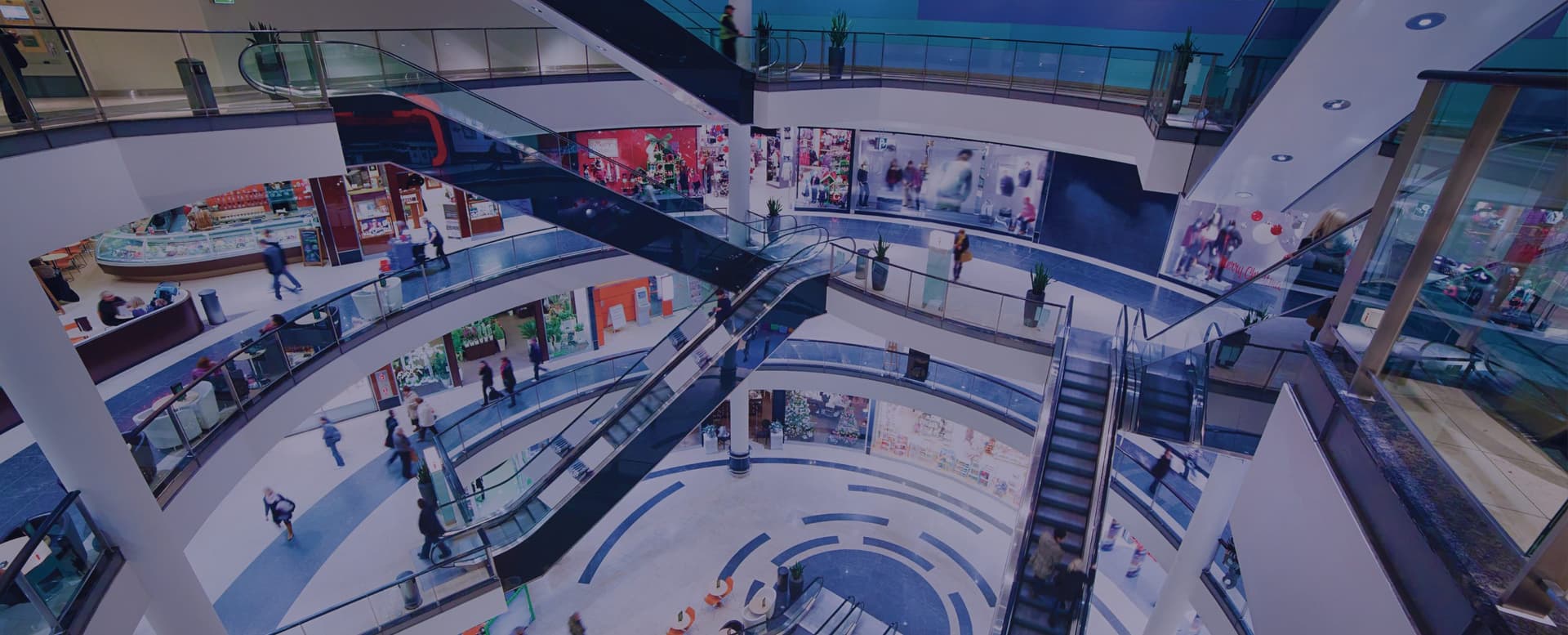
Malls across the country faced shutdowns in recent years, due to increasing demand for e-commerce. While malls were once a staple across the country, many turned into empty spaces. Across the country, there are 250 Class B malls, which are located in suburban and second-tier markets. This segment of malls was hard-hit with foot traffic declining by 9% from its 2019 levels, and occupancy dropping to 89%.
Consumers shifted their activity to lifestyle centers that feature a variety of retail, dining, and entertainment centers. With this in mind, owners began to transition Class B malls into redeveloped locations that will best meet consumers’ needs. To account for the vacant locations, many malls became part of a repurposing process. Class B malls, specifically, are being turned into mixed-use developments nationally.
One convenient factor in repurposing a Class B mall is that landlords will not have to undergo the building process from scratch. These locations are often priced below their original value, which should also facilitate the transformation. Some notable trends that occur in the redevelopment process include Class B malls becoming mixed-use spaces that provide consumers with experiential tenants, healthcare centers, fitness centers, and open spaces that can be used for entertainment retailers.
Experiential tenants will find these properties advantageous because they can take up vacant spaces left over by store closures. Fitness centers, pickleball tenants, and trampoline parks are just a few examples of tenants that can utilize these spaces as many shutdowns were for big-box retailers.
The addition of residential units is also a boost for redeveloped Class B malls. The integration of multifamily properties can create a built-in customer base and a walkable environment to make the new location convenient for consumers.
Class B malls often struggle with less desirable locations, in comparison to Class A malls, and also record higher vacancy rates. However, these properties often boast large footprints in their suburban locations, making them optimal candidates for reuse. They offer developers and investors the potential for substantial returns by reimagining their purpose.
While difficulties—such as securing financing, navigating zoning regulations, and managing construction costs—are present, the redevelopment of Class B malls presents a significant opportunity to revitalize underperforming assets and enhance local communities.
By embracing innovation with mixed-use concepts and adapting to changing consumer preferences, these once-struggling retail centers can evolve into dynamic hubs that meet the needs of consumers, fostering economic growth and community engagement.