What El Niño Could Mean for Midwest Net Lease Properties This Winter
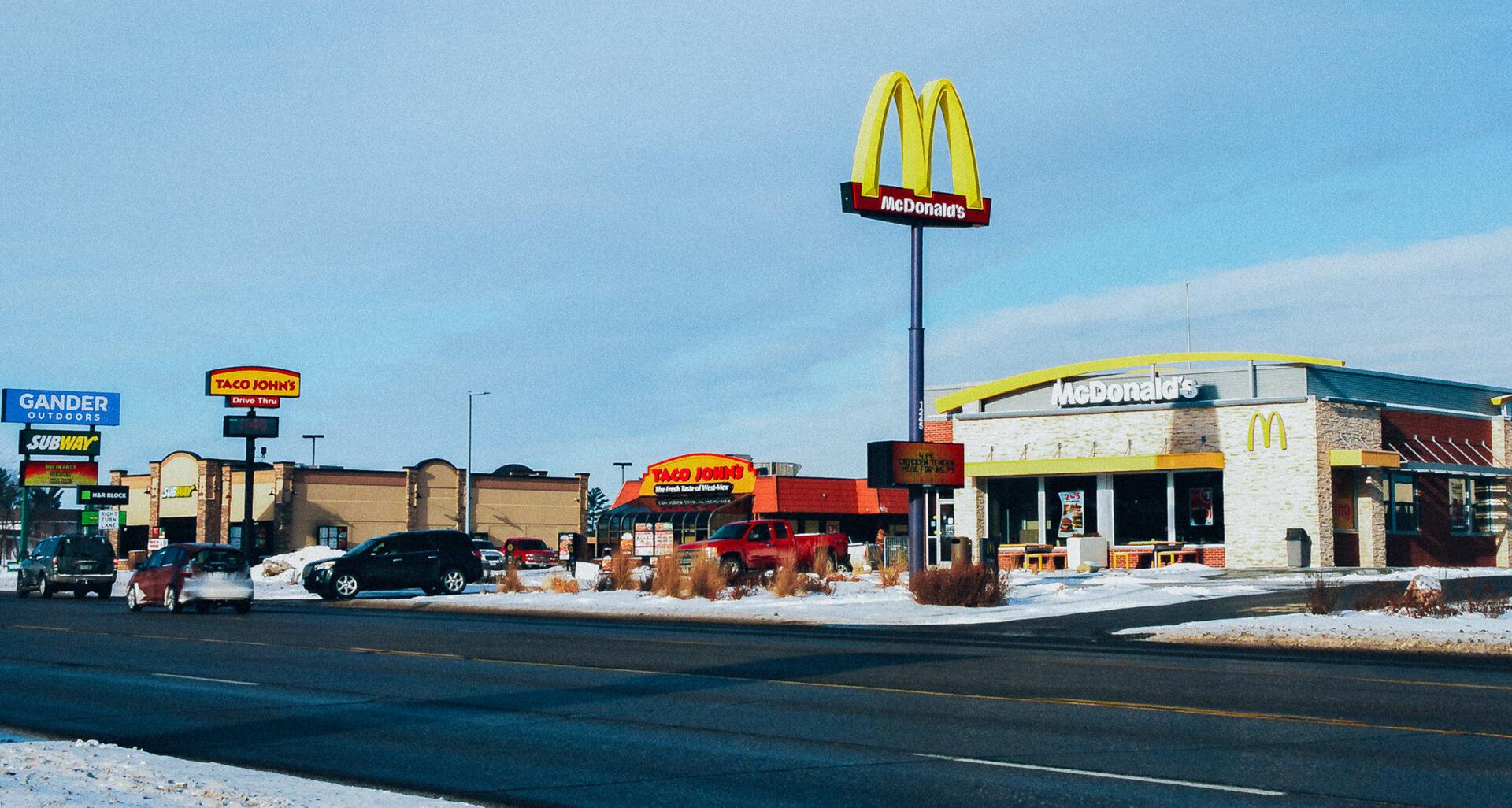
A milder winter may sound like good news for commercial property owners, but warmer temperatures do not always mean fewer maintenance concerns. Across the Midwest, frequent shifts between freezing and thawing conditions can take a toll on retail properties, particularly quick-service restaurants (QSRs).
By Trever Gallina, Senior Vice President
According to the National Oceanic and Atmospheric Administration (NOAA), there is a greater than 83% chance of strong-to-very-strong El Niño conditions persisting through January–March 2027, with the potential for the event to rank among the strongest recorded since 1950.
Although El Niño typically brings milder conditions to portions of the northern U.S., the Farmers’ Almanac warns that sudden cold snaps and winter storms remain possible across the Midwest. Temperatures that repeatedly fluctuate around freezing can be particularly damaging to commercial buildings.
For single-tenant net lease (STNL) owners, these conditions raise concerns about long-term property maintenance and potential repair costs. Roofing, pavement, and HVAC systems are among the areas most susceptible to winter-related damage.
Roofing
Snow Accumulation and Drainage
Flat and low-slope roofs are common among retail and QSR properties, making drainage an important consideration during periods of heavy snowfall and changing temperatures.
Wet snow places additional weight on roof structures, and melting snow can collect in areas with inadequate drainage. When temperatures fall, water may refreeze around roof drains, restricting runoff and increasing the risk of ponding, leaks, and damage to roofing materials.
Properties with aging roofs or existing drainage issues may face greater exposure, particularly when repeated freeze-thaw cycles worsen existing problems. Inspecting roof membranes, flashing, and drainage systems before winter can help identify potential repairs before more extensive damage occurs.
Pavement
The Impact of Repeated Freezing and Thawing
Parking lots, sidewalks, and drive-thru lanes face similar challenges as temperatures move above and below freezing.
Melting snow allows water to enter cracks in asphalt and concrete. When that water freezes, it expands, widening existing cracks and contributing to potholes and pavement deterioration. Repeated use of deicing salts can accelerate surface damage, especially on concrete that has not been adequately cured or protected.
For QSR properties, these issues can extend beyond routine maintenance. Damaged drive-thru lanes, uneven sidewalks, and poor drainage can interfere with customer access and restaurant operations. Addressing existing pavement damage before winter may help owners and tenants avoid more expensive repairs as conditions worsen.
HVAC
Equipment Performance and Maintenance Costs
Rooftop HVAC systems are another concern, particularly at properties with older equipment or a history of maintenance issues.
Snow and ice accumulation can restrict airflow, while frozen condensate lines and drains may cause water backups or equipment damage. Sudden temperature drops also increase demand on heating systems, raising the potential for unexpected failures. Roof penetrations and flashing around HVAC units can create additional problems if deteriorating seals allow melting snow to enter the building.
For QSR tenants, equipment failures can disrupt daily operations and lead to emergency repairs. Regular inspections and preventive servicing can help reduce these risks and extend the useful life of existing systems.
Preparing Properties for Winter
Winter maintenance remains an important consideration for STNL owners, even when lease agreements place many operating and maintenance responsibilities on tenants.
While triple-net leases generally shift these expenses to tenants, obligations for major roof repairs, pavement replacement, and HVAC equipment can vary. Reviewing lease provisions and coordinating with tenants can help owners identify potential maintenance needs and clarify responsibilities before winter arrives.
The 2026–2027 forecast does not guarantee severe conditions in every Midwest market. However, the possibility of frequent freezing and thawing reinforces the importance of maintaining key building components. Addressing existing issues early can help preserve property conditions, manage repair expenses, and limit disruptions to tenant operations.
Trever Gallina
Senior Vice President
(917) 692-9929
trever.gallina@matthews.com
License No. 40GAAo925878 (NY)