AuthorDaniel Gonzalez
First Vice President & Associate DirectorTampa, FL

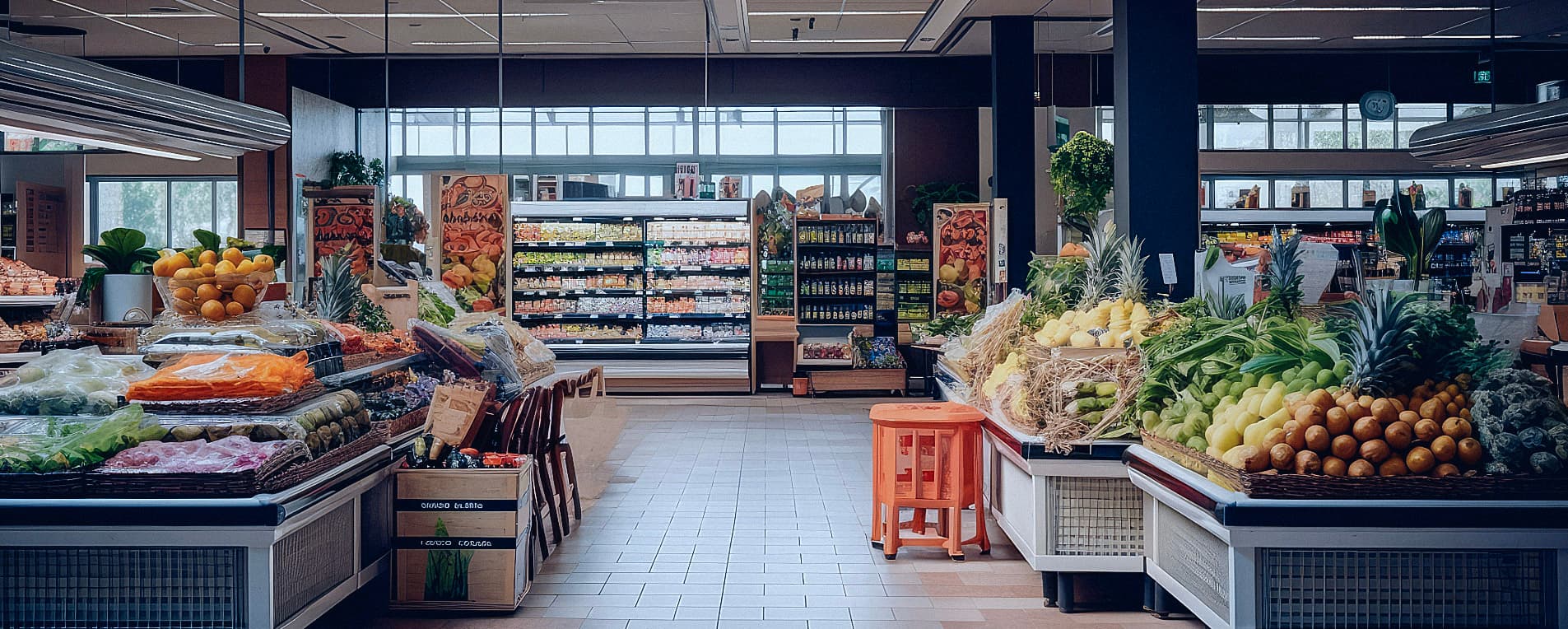
Kroger is on its way to add more stores throughout 2026 by focusing on its in-store presence, while dialing back on its e-commerce fulfillment centers. The grocer announced this shift in its third quarter earnings report, marking its move toward an integrated, store-based fulfillment model.
The company announced it will close three of its eight e-commerce facilities in early 2026. This decision prompted a substantial $2.6 billion impairment charge in the third quarter, a move that interim CEO Ron Sargent attributed to the facilities failing to meet anticipated financial benchmarks. The closure of these properties, located in Florida, Wisconsin, and Maryland, stems from a strategic review of the company’s online business.
The move is intended to bring Kroger’s digital operations into profitability. By shifting most online order fulfillment to its existing store network, Kroger anticipates a $400 million boost in e-commerce profitability by 2026. Sargent emphasized that the company expects to retain a majority of its online customers in the affected areas by leveraging the existing store base for order preparation and rapid delivery, aided by increased partnerships with providers like DoorDash. This hybrid approach aims to offer greater location coverage and quicker service times.
The centers slated for closure were part of a partnership with the U.K. firm Ocado Group, which utilized robotics and AI to manage online grocery orders. The initial goal was to establish a presence in new markets without a physical store, notably in Florida. However, the project was not successful. While the automated model efficiently handled picking and packing, it did not reduce the high cost and time of delivery across lower population areas nationwide.
Together with e-commerce realignment, Kroger is already accelerating its physical store expansion. The firm announced a meaningful jump in store construction, with 14 groundbreakings planned for the fourth quarter. In 2026, the company intends to increase the number of new builds by 30%. This commitment includes expanding into high-potential locations, with the Harris Teeter chain planning five locations in the Southeast, including Jacksonville.
The decision to increase investments in physical expansion represents a correction in strategy, as Sargent noted that new store growth had been underserved in recent years due to increased investment in fulfillment centers. While Kroger will still utilize a hybrid e-commerce model when necessary, the renewed focus on stores underscores a belief that physical presence and integrated in-store fulfillment are the ideal paths to strengthening its competitive position and achieving long-term growth.