AuthorDaniel Gonzalez
First Vice President & Associate DirectorTampa, FL

Artificial intelligence is reshaping how many industries operate. Automation, digital platforms, and remote infrastructure are changing where and how work gets done, which has introduced uncertainty for several traditional commercial real estate sectors.
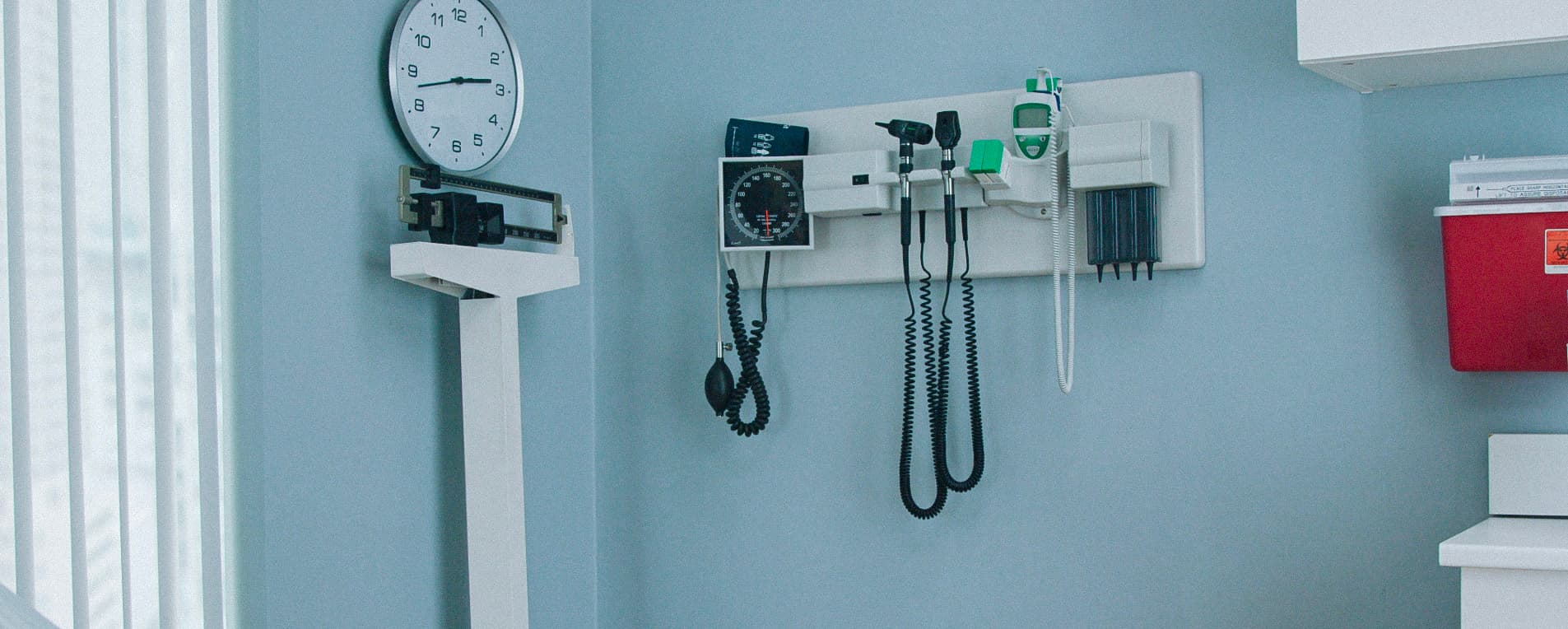
Healthcare real estate, however, remains fundamentally tied to physical services that must be delivered in person. Medical office buildings and veterinary clinics support care that cannot be fully digitized. While technology may improve efficiency and workflows, patients and animals still require examinations, procedures, and treatment in specialized facilities.
As a result, these property types continue to demonstrate durable demand supported by long-term demographic and behavioral trends.
One of the most significant drivers of healthcare real estate is the aging U.S. population. According to the United States Census Bureau, the number of Americans aged 65 and older reached approximately 55.8 million in 2020, representing a 38.6 percent increase from 2010. This demographic is expected to continue growing in the coming decades, increasing overall demand for healthcare services.
At the same time, the way care is delivered is evolving. Many procedures and services that were once performed in hospitals are increasingly moving into outpatient environments. Research from the Medicare Payment Advisory Commission indicates that a growing share of healthcare services will continue shifting toward outpatient settings as providers seek more efficient and cost-effective care delivery models.
This transition has direct implications for real estate. Outpatient facilities require accessible locations equipped with specialized infrastructure to support exams, diagnostics, and treatments. As more services move outside of hospitals, demand for medical office space continues to expand.
Medical office buildings often behave differently from traditional office properties. While conventional office demand has been influenced by remote work trends, healthcare services remain dependent on physical interaction between providers and patients.
Healthcare tenants typically invest heavily in their locations, including customized build-outs, specialized equipment, and regulatory compliance upgrades. These investments create significant barriers to relocation, which can lead to longer lease terms and higher tenant retention.
Additionally, healthcare services tend to be less discretionary than many other industries. Routine appointments, diagnostic imaging, and ongoing treatment are essential services that continue regardless of broader economic conditions. This can help support stable occupancy and consistent utilization for well-located medical office properties.
Veterinary real estate has experienced similar momentum, supported by rising pet ownership and increased spending on animal care.
According to the American Pet Products Association, U.S. pet industry spending reached approximately $152 billion in 2024. Veterinary care and related services accounted for nearly $40 billion of that total, reflecting the growing importance of healthcare within the pet economy.
Pets are increasingly viewed as members of the family, and households are allocating more resources toward their care. Veterinary clinics now provide a wide range of services including diagnostics, dental procedures, imaging, and surgery. These services require specialized clinical facilities, making veterinary practices highly dependent on physical real estate.
Like medical providers, veterinary operators often invest substantial capital into their spaces, including surgical suites, imaging equipment, and clinical infrastructure. These investments can contribute to longer occupancy durations and stable tenancy within suitable properties.
Advances in artificial intelligence are already improving many aspects of healthcare operations. Automated scheduling, digital records, and AI-assisted diagnostics are helping providers operate more efficiently.
However, these technologies largely enhance the delivery of care rather than replace the need for clinical environments. Patients still require physical examinations, imaging equipment, and procedures performed by trained professionals in controlled medical settings.
Veterinary care follows the same pattern. While digital tools may assist veterinarians with diagnostics or recordkeeping, animals still require hands-on treatment delivered in properly equipped clinics.
Medical and veterinary real estate benefit from demand drivers that are both structural and durable. An aging population, increasing healthcare utilization, and rising pet ownership all contribute to long-term demand for facilities that support care delivery.
While technology will continue to shape the healthcare industry, the physical spaces where care occurs remain essential. For investors evaluating sectors within commercial real estate, medical office buildings and veterinary clinics continue to represent property types supported by demographic trends, specialized tenancy, and services that remain inherently in person.