The Matthews™ Podcast — Keven Rowe
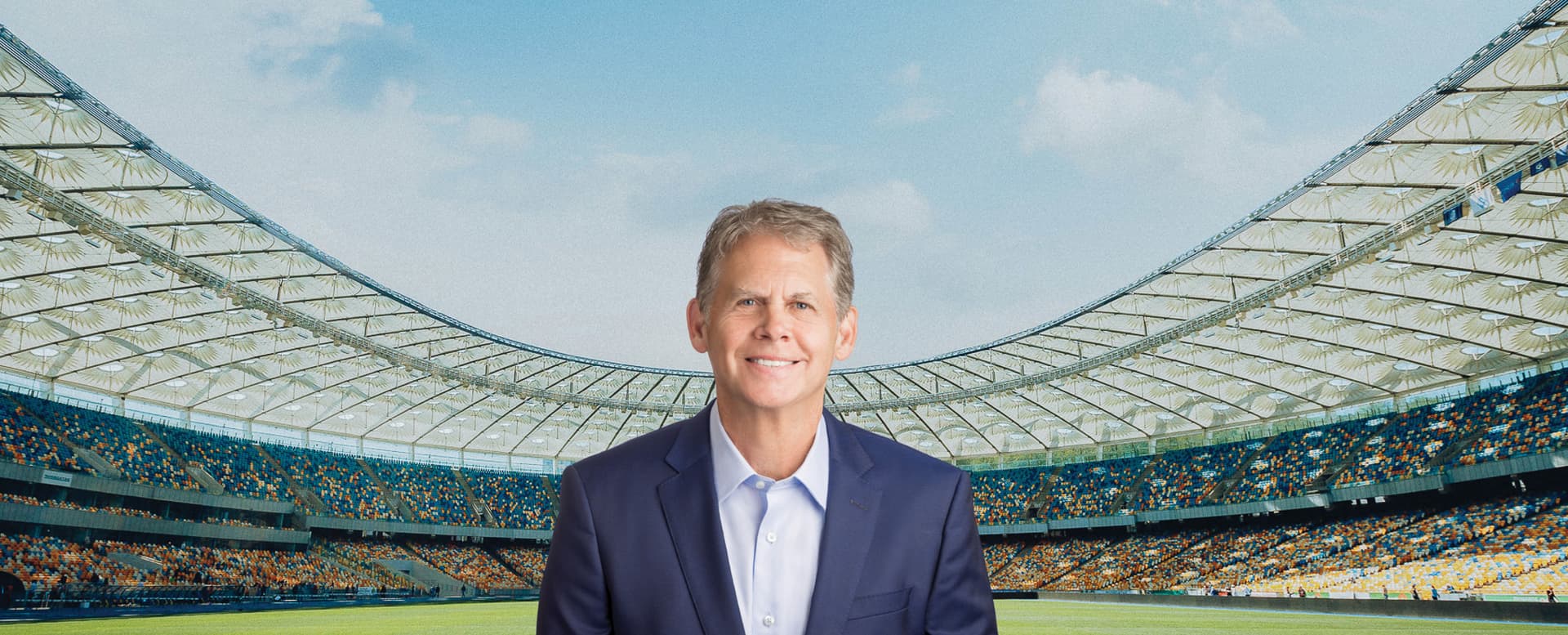
The Legal Infrastructure of Sports-Anchored Districts with Keven Rowe
Sports-anchored mixed-use districts are rapidly reshaping the development landscape, blending arenas and entertainment venues with housing, retail, office, and hospitality. These environments operate far beyond the traditional stadium model, functioning as economic hubs that activate neighborhoods year-round. But turning these bold visions into reality depends on a highly strategic legal foundation.
In this episode of the Matthews™ Podcast, host Matthew Wallace is joined by Keven Rowe, Shareholder and Real Estate Practice Lead at Buchalter, to unpack how legal structure, public collaboration, and long-term planning underpin today’s most ambitious sports-driven projects. With more than 20 years of experience across development, finance, and large urban districts, Rowe brings a uniquely integrated perspective to an emerging and influential asset class.
A Career Built on Navigating Complexity
Rowe entered real estate law through the world of shopping center development, one of CRE’s most nuanced and interdependent property types. That early exposure to easements, shared infrastructure, financing coordination, and multi-party agreements gave him a foundation that naturally translated into mixed-use advisory work.
Over time, Rowe expanded into financing and redevelopment, working with lenders, developers, and local agencies. These experiences positioned him to advise on major multi-asset projects with a legal strategy that must connect land use, capital structure, public incentives, and long-term operations.
Why Sports Districts are Gaining Momentum
Rowe notes that sports-anchored districts have grown in prominence because they deliver sustained economic activity beyond game days. As venue construction costs continue to rise, ownership groups and municipalities increasingly view mixed-use components as essential for financial viability.
Districts create daily foot traffic, attract diverse tenants, and elevate surrounding property values. For cities, these projects help drive urban reinvestment and regional identity. For cities, these projects help drive urban reinvestment and regional identity. For owners, they block predictable revenue streams that support large capital commitments.
Each party benefits, but only the legal foundation is strong enough to hold the entire ecosystem together.
The Role of Public-Private Coordination
Unlike standalone real estate projects, sports districts require a unified strategy between cities, states, and private developers from the outset. Rowe emphasized that aligning stakeholders early is essential, not only for funding but also for defining the district’s long-term structure.
Infrastructure, transportation, and public space typically fall outside of a traditional private development’s scope. Cities step in to support these components, while developers deliver the vertical improvements and district programming. When executed correctly, this shared approach creates durable economic value for both the public and private sides.
Rowe highlighted that success depends on transparency, clearly defined obligations, and a mutual understanding of the project’s civic and financial goals.
Salt Lake City’s Fast-Moving Collaboration
One of Rowe’s most compelling recent examples in Salt Lake City’s pursuit of a new sports and entertainment district died due to its NBA and NHL franchises. The effort required rapid coordination between team ownership , the City of Salt Lake, the State of Utah, and Salt Lake County, entities with different priorities but a shared interest in keeping major league teams anchored downtown.
Rowe points to Utah’s cooperative political environment and unified vision as major drivers of the project’s momentum. In a short period, stakeholders established legislative authorization, district boundaries, and public funding mechanisms necessary to move the concept forward.
The Unique Legality Behind These Projects
Sports-anchored districts operate like compact cities, with varied uses that rely on one another to succeed. Rowe explained that their legal complexity stems from weaving together:
- Multi-layered financing across public and private capital.
- Zoning and land-use adjustments for dense mixed-use environments
- Operating agreements covering year-round district management
- Long-term obligations such as maintenance, security, and event coordination
- Community benefit commitments tied to housing, culture, or workforce development
Each piece must function independently yet support the district’s collective identity and economic model. That interdependence is what makes the legal strategy so critical and so distinct from conventional real estate development.
What Lies Ahead for Sports-Driven Real Estate
Looking forward, Rowe expects sports-anchored districts to become more integrated, technologically advanced, and mission-driven. Sustainability requirements, evolving fan experiences, and new digital capabilities will shift both design and operations. Meanwhile, cities and ownership groups will continue exploring ways to structure districts that deliver civic value while generating the revenue needed to sustain major league venues.
The next wave of projects will demand even more coordination, creativity, and long-term planning, areas where legal strategy will remain central.
Guiding Principles for CRE Leaders Entering This Space
Rowe concluded by emphasizing the habits that have guided his work over the past two decades:
- Stay curious and engaged: The most svessful adviors advisors understand the entirety of a project’s lifecycle.
- Trust creates lasting partnerships: Prioritize client needs over quick wins.
- Redefine your expertise: Treat each project as an opportunity.
- Maintain long-term focus: These developments evolve over years, not months.