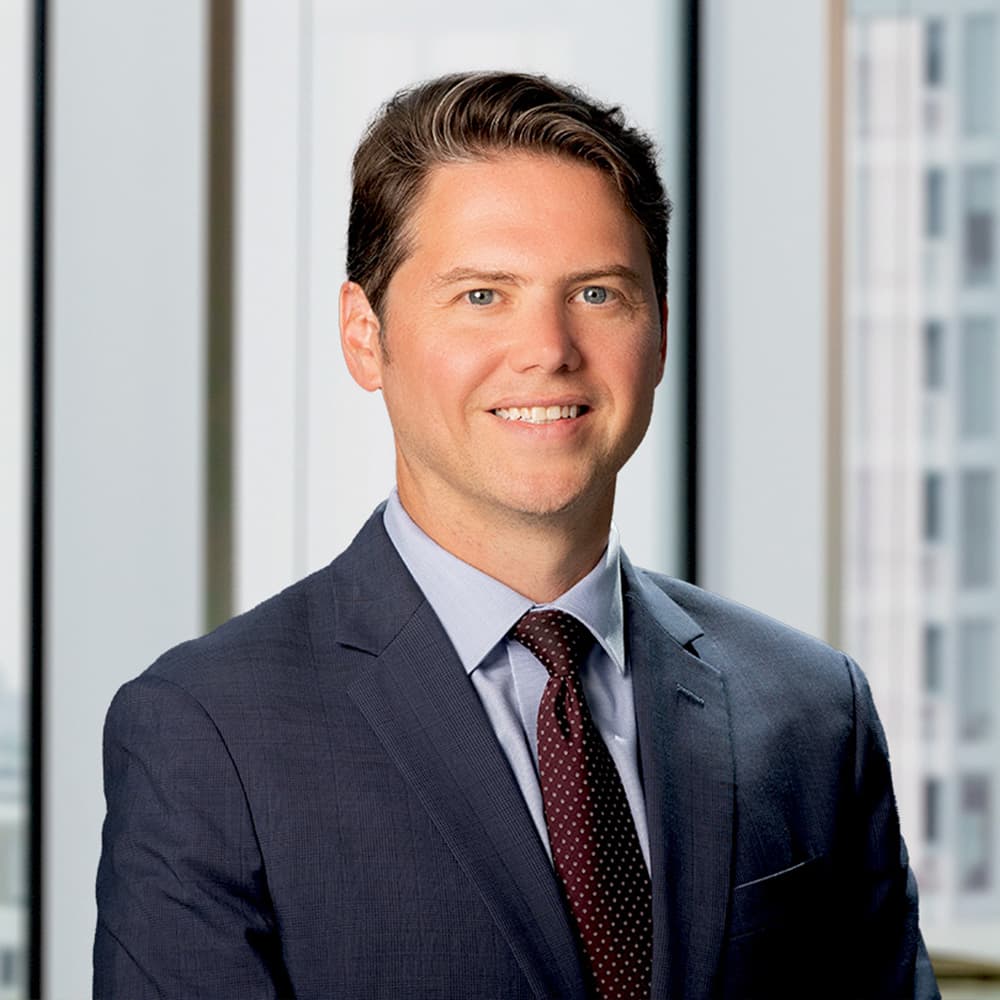
AuthorMatthew Wallace
Senior Vice PresidentCleveland, OH


In this episode of The Matthews Podcast, host Matthew Wallace welcomes legendary figure in South Florida commercial real estate: Stephen Bittel, Chairman and Founder of The Terranova Corporation. With over four decades of experience, Bittel has become a transformative force in retail-focused real estate development, investment, and management. This in-depth conversation traverses his journey from humble Miami beginnings to helming one of the most prominent real estate investment firms in Florida.
Stephen Bittel was born in 1956 in downtown Miami. Raised by a schoolteacher mother and an attorney father, his public school upbringing instilled a disciplined work ethic. After attending Bowdoin College in Maine, Bittel earned a prestigious Thomas J. Watson Fellowship, which took him to Europe to study European investment motivations in the U.S. Upon returning, Bittel attended the University of Miami School of Law, where his father was a professor, even taking his father’s real estate investment course under a pre-negotiated C grade.
Bittel began working in real estate while still in law school. After a pivotal moment when his then-employer urged him to shift to commission-based compensation, Bittel quit. At just 24, he closed his first deal on a 27,700 square-foot strip center and formed the foundation of what would become Terranova Corporation.
By 1981, Terranova was active in acquisition, leasing, and third-party management. Early deals weren’t all smooth sailing. The 1986 Tax Reform Act and high interest rates destabilized the market, and Bittel faced significant losses, even mortgaging his home to cover tax obligations. But instead of retreating, he built a massive third-party management business across Florida, managing nearly 10 million square feet and earning the trust of top institutional clients.
One of Terranova’s pivotal breakthroughs came from his partnership with Principal and later SSR and BlackRock. These alliances, built on trust and performance, allowed Terranova to structure equity partnerships that offered high returns and deep market penetration. Through strategic acquisitions, including distressed debt during the S&L crisis, Terranova expanded into every major Florida market.
Bittel’s unique dual strategy, providing services during downturns and investing heavily during upswings, proved immensely successful, especially in times of volatility. Terranova’s flexibility and in-house capabilities, from legal to leasing, sit it apart.
While the dot-com crash had limited direct impact on real estate, the 2008 financial crisis posed a greater challenge. By then, Bittel has launched a side venture, Petroleum Realty, with Lehman Brothers. When Lehman collapsed, Bittel shifted to survival mode, negotiating terms, operating with expired notes, and eventually paying bac k the investment at par.
Terranova itself weathered the storm due to conservative leverage and disciplined operations. The firm exited third-party services to focus on equity investments, preserving balance sheet strength for new opportunities.
Post-recession, Terranova made a bold move: investing heavily on Miami’s Lincoln Road, a premier high-street retail corridor. Informed by early knowledge of Zara and H&M entering the market, Terranova assembled a portfolio that culminated in a $341 million recapitalization led by Morgan Stanley–then the largest real estate transaction in Florida history.
In parallel, the firm acquired 15 buildings on Coral Gables’ Miracle Mile and even owned multiple major office properties in Miami Beach.
When COVID-19 hit, Bittel quickly cut property budgets, anticipated rent disruption, and stayed open under Florida’s “essential services” designation. He directly contacted tenants and lenders, crafted pragmatic rent relief programs, and took a firm stance with national tenants, many of whom ultimately paid in full.
Florida’s quick reopening, favorable climate, and tax policies led to a rapid rebound, especially for Terranova’s outdoor retail and dining-focused portfolio. As tourism surged and domestic migration intensified, Terranova’s properties thrived.
Bittel remains cautious in today’s volatile interest rate and lending environment. Regional banks’ hesitancy, combined with inflation and labor shortages, has complicated underwriting and expansion. Still, Terranova continues to invest opportunistically, recently acquiring Coral Gables office assets through direct purchase and foreclosures.
He warns that global supply chains, labor shortages, and rising tariffs could impact U.S. consumer brands, but maintains that market cycles eventually stabilize.
For Bittel, his legacy isn’t measured in buildings or deals. It’s about mentorship, community impact, and cultivating future leaders. Terranova alumni now lead some of Florida’s top real estate firms. Many have built successful careers rooted in the discipling and entrepreneurial environment Bittel fostered.
He stresses the importance of work ethic, aligning with value-driven mentors, and immersing oneself fully in the industry. To young professionals, he advises: “Be the first in, last out, outwork everyone, and live and breathe your craft.”
Stephen Bittel’s story is one of entrepreneurial grit, calculated risk-taking, and a lifelong commitment to excellence. Through every cycle—booms, busts, pandemics, and financial crises—his steadfast vision and team-first leadership turned Terranova into a Florida real estate institution.
As commercial real estate continues to evolve, leaders like Bittel remain us that integrity, hard work, and adaptability remain timeless keys to success.