AI, Housing Scarcity, and the Repricing of San Francisco Multifamily
San Francisco’s multifamily market has entered a different phase of its recovery. Apartment demand is accelerating, available units are becoming more difficult to find, and housing construction has slowed well below historical levels. These conditions are strengthening the operating environment for existing properties and drawing investment capital back into a market that many investors had avoided only a few years ago.
The growth of the artificial intelligence sector has become an important part of this shift. Expanding companies are attracting engineers, executives, founders and other highly compensated workers who often want to live near employment centers, public transportation and the city’s established residential neighborhoods. Return-to-office policies are also reinforcing the value of proximity, after several years of remote work allowing employees to move farther from the urban core.
The effect is becoming increasingly visible in the rental market. Apartment List reported that San Francisco’s median rent reached $3,558 in June 2026, an increase of 18.9% from the prior year. RealPage also ranked San Francisco as the nation’s strongest major apartment market for rent growth, with effective asking rents rising 10.6% during the year ending in the second quarter. While the platforms use different methodologies, both point to strengthening apartment demand and a meaningful recovery in pricing power.
For multifamily owners, rising market rents create opportunities to improve revenue as units turn over and leases reset. The benefit will vary considerably by property. San Francisco’s rent regulations limit annual increases for many occupied apartments, making the relationship between in-place rents and current market rents especially important. The impact of asking rent growth on net operating income also depends on collections, tenant retention, turnover costs, and operating expenses.
Tight Availability Strengthens Existing Assets
Rent growth is being reinforced by limited availability. Professionally managed properties have experienced a sharp decline in vacancy, illustrating how quickly the pool of available apartments has tightened.
Well-located properties may benefit most as renters compete for access to neighborhood amenities, transit and employment centers.
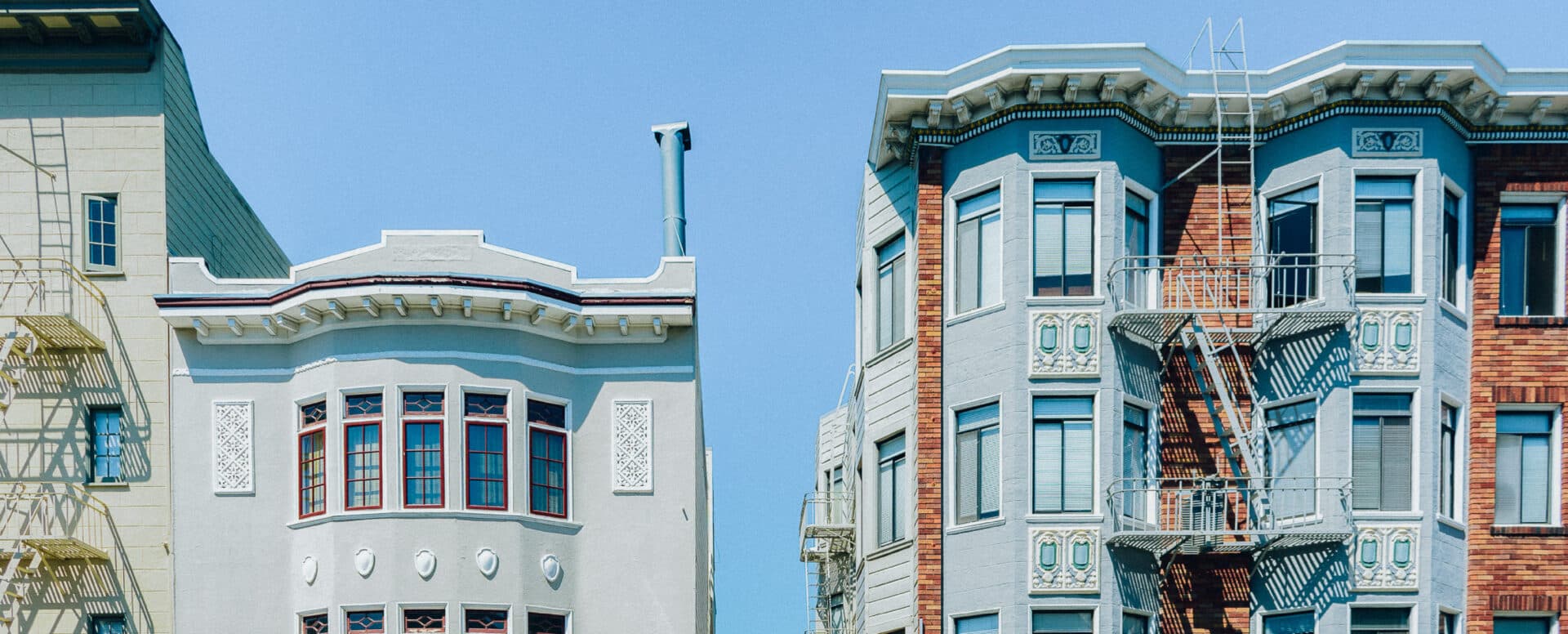
Demand is also extending beyond newly built Class A properties. San Francisco’s inventory includes a large concentration of vintage apartment buildings in neighborhoods such as Pacific Heights, Russian Hill, the Marina, Nob Hill and the Mission. These assets often offer locations and architectural character that are difficult to replicate through new construction. Buildings with renovated units, well-maintained common areas and efficient operating structures may be positioned to capture renewed demand, without having to compete directly with luxury towers.
Limited Supply, with Reform on the Horizon
San Francisco’s strengthening rental market has not yet produced a meaningful increase in apartment construction. Housing production and permitting remain well below their longer-term averages, limiting the amount of new competition entering the market.
High labor and material costs, elevated financing expenses, development fees and lengthy approvals continue to make many projects difficult to finance. A 2026 analysis from the San Francisco Controller’s Office found that nine of ten representative apartment and condominium prototypes generated negative residual land values, even when modeled as entirely market-rate developments. Under those assumptions, most projects were not financially feasible even if the land was acquired at no cost.
City leaders are attempting to improve those fundamentals through zoning reform and lower development costs. The Family Zoning Plan, which took effect in January 2026, allows greater residential density across portions of northern and western San Francisco and expands development opportunities near transit, commercial corridors and public amenities.
The city has also considered reducing the on-site inclusionary housing requirement to 5% for qualifying projects and cutting certain development impact fees by 67%. These changes could help restart portions of the housing pipeline, although zoning capacity alone will not resolve the cost and financing challenges facing developers.
For existing multifamily owners, the reforms create a mix of near-term protection and longer-term optionality. New supply is unlikely to reach the market quickly, allowing current properties to continue benefiting from limited competition. Some parcels may also gain redevelopment potential through additional density, greater height or expanded residential uses.
That potential will vary by property. Lot dimensions, tenant protections, relocation requirements, historic restrictions and construction costs can limit what an owner is able to pursue. Even so, upzoning may broaden the options available when a property is renovated, refinanced or sold, adding value beyond the income generated by the existing building.
Institutional Capital Is Returning
Large investment platforms are increasing their exposure to the city’s apartment market, particularly in established neighborhoods with durable rental demand.
Recent acquisitions and portfolio performance suggest institutional investors are willing to place significant capital behind the Bay Area’s housing recovery.
The improvement across the larger portfolio was supported by stronger collections, the removal of concessions and higher rents on renovated units as leases turned over.
These transactions do not mean every apartment building will experience the same recovery. However, they do highlight institutional investors see long-term value in the city’s combination of constrained supply, recovering occupancy and renewed rental demand.
Greater competition for assets can support pricing and place downward pressure on cap rates, particularly for buildings in premium neighborhoods. Financing costs, rent regulation, seismic requirements and deferred maintenance may keep yields higher than they were before the interest-rate reset.
Property-level performance will continue to depend on the condition of the building, the existing rent roll and the owner’s ability to manage operating complexity.
A Market Defined by Scarcity and Optionality
San Francisco’s multifamily recovery is being shaped by a widening imbalance between housing demand and the city’s ability to add supply. AI-sector growth, increased office attendance and renewed interest in urban living are strengthening demand. Construction remains limited by costs and financing conditions that zoning reform alone cannot resolve.
Existing owners may benefit from higher market rents, reduced vacancy and greater investor competition. Some properties could also gain value through:
- Upzoning
- Redevelopment potential
- Eligibility for affordable housing preservation programs.
The opportunity is increasingly property-specific, creating room for well-positioned assets to outperform. Rent control, insurance, maintenance, seismic exposure and tenant turnover can produce meaningful differences between buildings only a few blocks apart. Properties with durable locations, manageable operating expenses, a favorable spread between in-place and market rents, and long-term development optionality may be especially well positioned to benefit as the market continues to recover.
San Francisco multifamily is moving beyond its post-pandemic disruption. Its long-term value is supported by something the city continues to struggle to produce: housing in the neighborhoods where people most want to live