AuthorDaniel Gonzalez
First Vice President & Associate DirectorTampa, FL

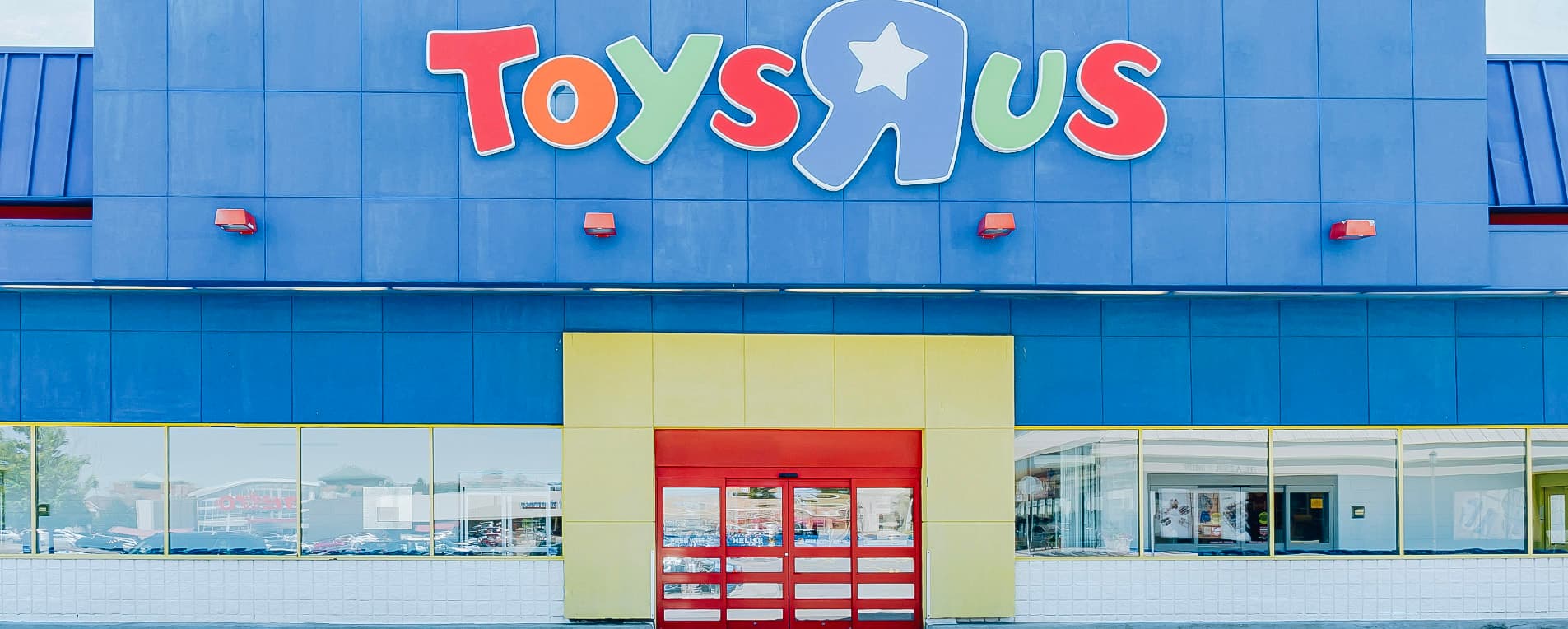
Toys R Us is making one of its biggest U.S. brick-and-mortar pushes since its 2018 bankruptcy, with plans to open 120 new standalone stores ahead of the holiday shopping season. The expansion will bring the retailer’s standalone footprint to 160 locations nationwide, alongside its existing shop-in-shop presence inside Macy’s stores.
Since WHP Global acquired Toys R Us in 2021, the brand has taken a more measured approach to rebuilding its physical presence. Rather than recreating the large-format footprint it once had, the company started with smaller concepts, Macy’s locations, and a limited number of standalone stores. Its first new standalone location opened at American Dream in East Rutherford, New Jersey, in late 2021.
The latest rollout is much larger, but the strategy remains more flexible than it was in the past. Toys R Us is now operating across standalone stores, shop-in-shop concepts, and airport locations, giving the company more ways to reach customers without relying on one store format.
That approach reflects how many retailers are thinking about growth today. Store size still matters, but so do location, traffic, customer mix, and the ability to adapt a space to different uses. Retailers are becoming more selective about where they expand and more willing to use different formats depending on the market.
Some of the new Toys R Us locations will also include features that go beyond traditional toy retail. Select stores are expected to offer Creator Studios for product launches, influencer content, and special events, while others may incorporate candy shops and cafes.
Those additions are important in a category where customers can already find many of the same products at Amazon, Walmart, Target, Five Below, and other retailers. Toys R Us is competing in a crowded market, so its physical stores need to offer more than product availability. Creating reasons for shoppers to visit, browse, and spend more time in the store is becoming a larger part of the concept.
For landlords, that can change how space is evaluated. Properties that can accommodate events, food and beverage, flexible layouts, or other experiential uses may appeal to a wider range of retailers than a more traditional box with limited adaptability.
Toys R Us is not returning with the same model it had before bankruptcy. Its current strategy is built around multiple formats, a more selective physical footprint, and stores that are designed to do more than simply hold inventory.
For owners and investors, that places greater emphasis on the quality of the underlying real estate. Access, visibility, traffic, surrounding uses, and a property’s ability to support different retail concepts can all affect how competitive a location remains over time.
The Toys R Us expansion is another example of how brick-and-mortar retail is evolving. The store still matters, but the strongest locations are increasingly those that can support changing formats, new experiences, and a broader range of uses.