AuthorDaniel Gonzalez
First Vice President & Associate DirectorTampa, FL

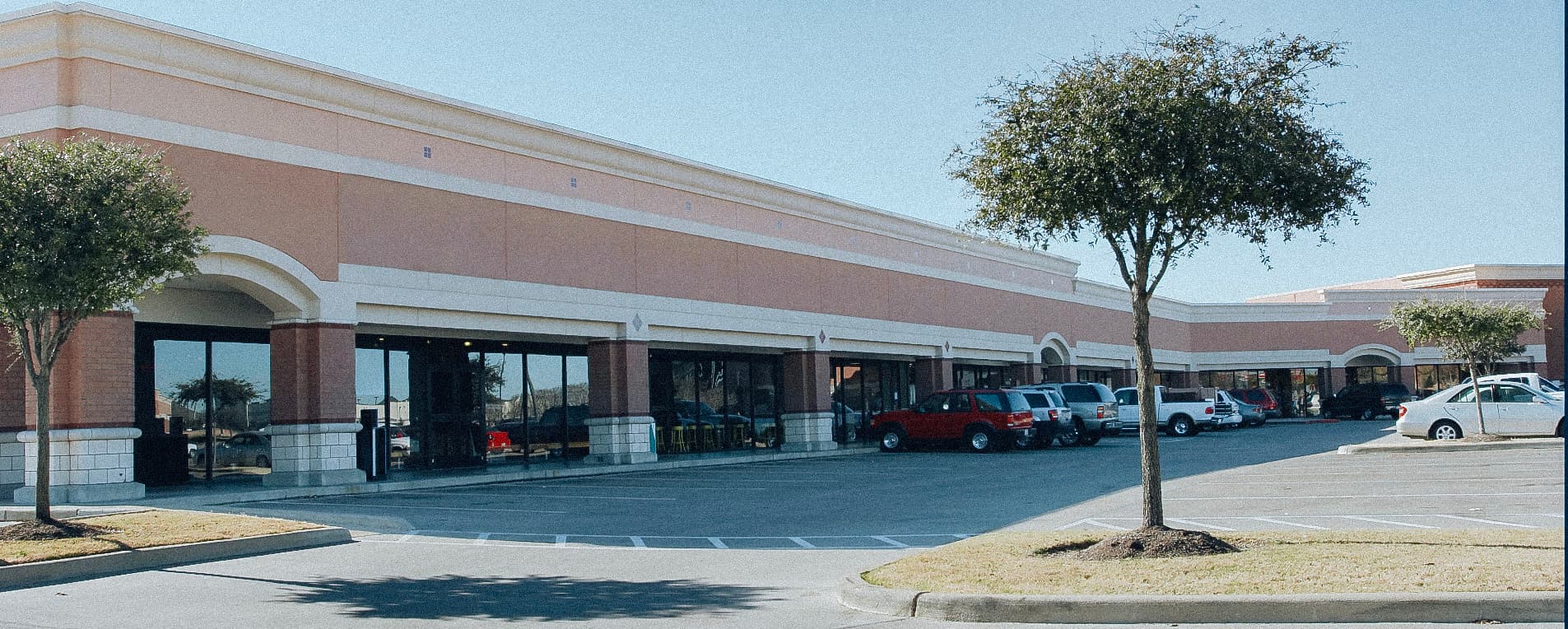
For years, strip centers were often overshadowed by larger grocery-anchored properties and high-profile retail destinations. That perception is changing as investors place greater value on consistent occupancy, limited new supply, and the everyday services that support neighborhood retail.
Investor interest is expanding as strip centers demonstrate many of the qualities capital is seeking today, including durable income, diversified tenant demand, and opportunities for active management.
Strip centers are typically positioned along heavily traveled corridors and near residential communities. Their tenant mixes often include restaurants, medical providers, fitness concepts, salons, service businesses, and other uses that rely on frequent customer visits.
Many of these services cannot be easily replaced by e-commerce. Tenants also benefit from visible storefronts, convenient parking, and proximity to their customers. These characteristics can support stable occupancy even as individual retailers adjust their store portfolios.
The smaller spaces commonly found in strip centers also appeal to a broad range of local, regional, and national tenants. This allows owners to diversify income across multiple businesses rather than depend heavily on a single anchor.
Retail construction has remained limited compared with previous development cycles. The shortage of new space has reduced competition for many established centers and made well-located vacancies more valuable.
ICSC reported that historically low levels of new construction and high occupancy have strengthened retail cash flow and investor demand. Forecasts cited by the organization expect retail vacancy to remain below 4.4% during 2026, while new construction is projected to remain constrained.
For existing strip centers, these conditions may create opportunities to increase rents as leases expire, improve tenant quality, and invest in property upgrades that strengthen long-term performance.
Grocery-anchored centers remain a preferred retail investment, but investor interest is broadening. Institutions and REITs are increasingly evaluating unanchored strip centers, power centers, and other open-air formats that were once purchased primarily by private investors.
U.S. retail property sales increased 26% in 2025 to $71.6 billion. Over the previous two years, institutional bid volume for retail properties increased 102%, while REIT bid volume rose 117%. ICSC also noted that unanchored strip centers are increasingly being viewed as institutional-quality investments.
This does not mean every strip center will perform equally. Location, access, tenant health, lease structure, surrounding demographics, and future capital requirements remain essential considerations. Properties with strong visibility, service-oriented tenants, and below-market rents may be particularly well positioned.
Strip centers have quietly demonstrated many of the qualities investors are seeking in the current market: durable demand, diversified income, limited competing supply, and opportunities to improve performance. As more capital recognizes these advantages, the segment is moving further into the retail investment mainstream.