
The Squeeze on the Corner Drugstore: A Tale of Two Battles
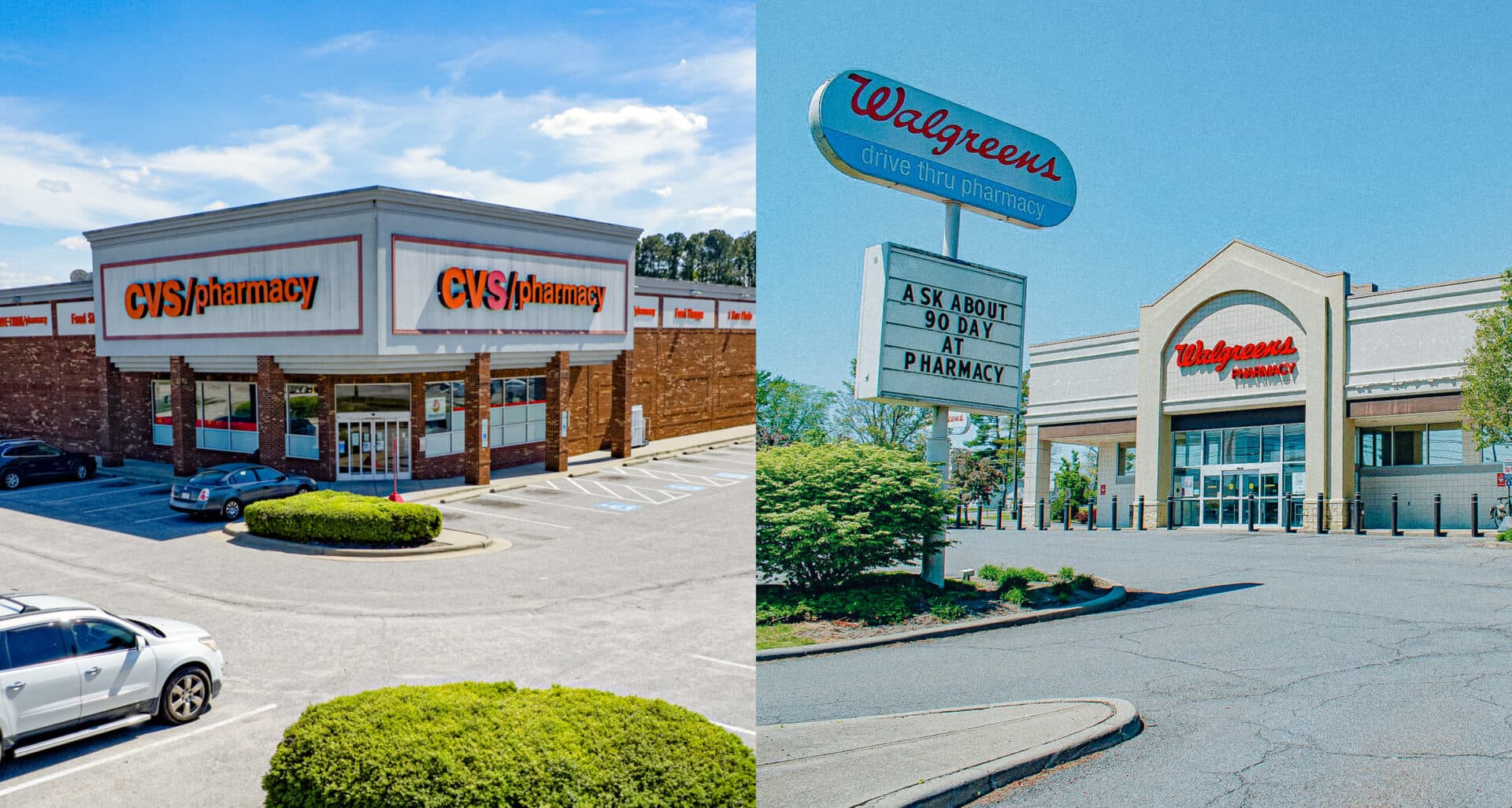
Front One: The War on PBMs
As independent pharmacies bleed out, state lawmakers have placed an increased focus on Pharmacy Benefit Managers (PBMs), powerful middlemen that control drug pricing and reimbursements. Critics argue that conglomerates like CVS, which operate both a PBM and a pharmacy, use that dual role to crush local competitors.
In response, Tennessee passed the FAIR Rx Act, a law prohibiting PBMs from owning or operating pharmacies in the state. It was a direct shot at out-of-state giants. CVS immediately sued, arguing the law violates the Constitution by constraining interstate competition. A CVS spokesperson warned the law would force it to close 136 pharmacies, 25 retail clinics, and lay off some 2,000 employees while it abandons the state.
Tennessee is the second state to try this. Arkansas passed a similar law last year, only to see it blocked by federal court following legal challenges from PBMs, including CVS. The pattern is clear: states want to protect local pharmacies, but PBMs are not surrendering their turf without a fight.
Front Two: The New Walgreens Math
While the PBM battle rages in courtrooms, a quieter but equally consequential shift is unfolding in the world of pharmacy real estate.
Walgreens, now privately held by Sycamore Partners, has quietly abandoned its previous public commitment to close 1,200 stores. That risk of abrupt closure haunted landlords, sending hundreds of locations to the market. Instead, the company is pivoting towards a performance-driven real estate strategy centered on three metrics:
- Labor and rent costs
- Sales performance
- Operational coverage (e.g., pharmacy hours)
The new goal is not mass abandonment, it’s capital discipline. Walgreens will invest in some stores (adding staff, expanding hours), restructure occupancy costs in others, and buyout leases on dark stores. The company is also subletting, generally to Dollar stores, to mitigate rent costs while they run out the leases.
CVS and Walgreens’ above-market rents from legacy investment-grade leases are unlikely to survive. However, a pragmatic landlord should recognize that a rent reduction with a credit-backed tenant is often preferable to vacancy, re-leasing costs, and a weaker replacement tenant. Rents are headed for a correction.
What This Means for Net Lease Investors
For investors who own a Walgreens property, the old passive model of collecting checks from an investment-grade tenant is over and active management has arrived.
Key questions to ask about your location:
- Is Walgreens actively investing in the store (staff, hours, pharmacy)? That’s a retention signal.
- Debt is not replaceable at low rates and in many cases not at all. How could a sale benefit your strategy?
- When does the current lease expire? Shorter remaining term = sooner rent reset.
- Is the current rent above market for comparable retail space? If yes, expect a reduction request.
- Would a moderate rent cut be acceptable to avoid vacancy? Run both scenarios before negotiating.
The Bottom Line
Walgreens under Sycamore is not liquidating its footprint; it’s recalibrating it. And while CVS fights state-level bans on its PBM-pharmacy model, the broader pharmacy model is changing. For net lease investors, the path forward is clear: adapt to a world of shorter renewals, market-rate rent resets, and performance-based tenant retention. Those who embrace this new normal may find Walgreens a more pragmatic, solvent partner.
*Disclaimer: This content is for informational purposes only and does not constitute investment advice. Always consult your own financial and legal advisors.